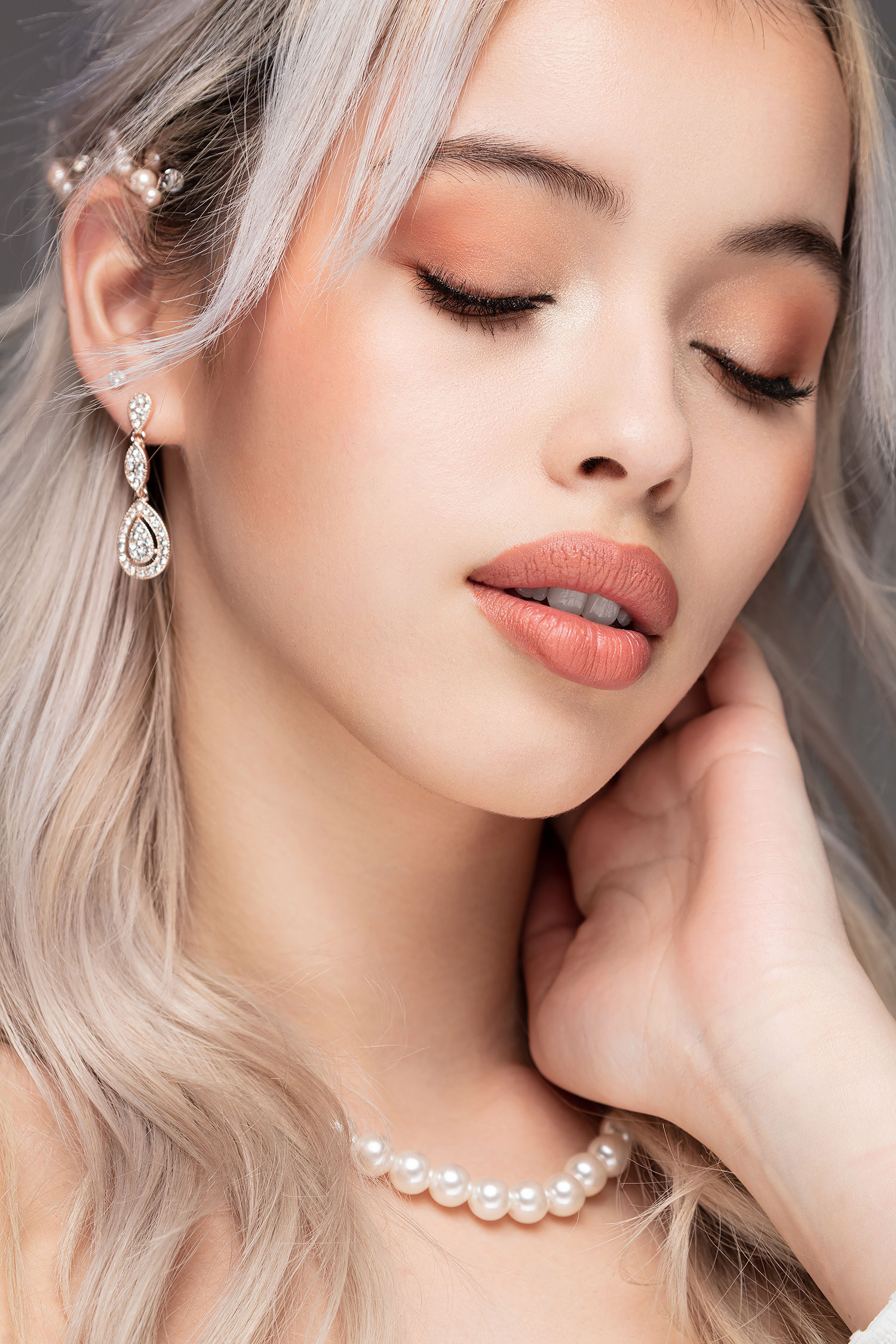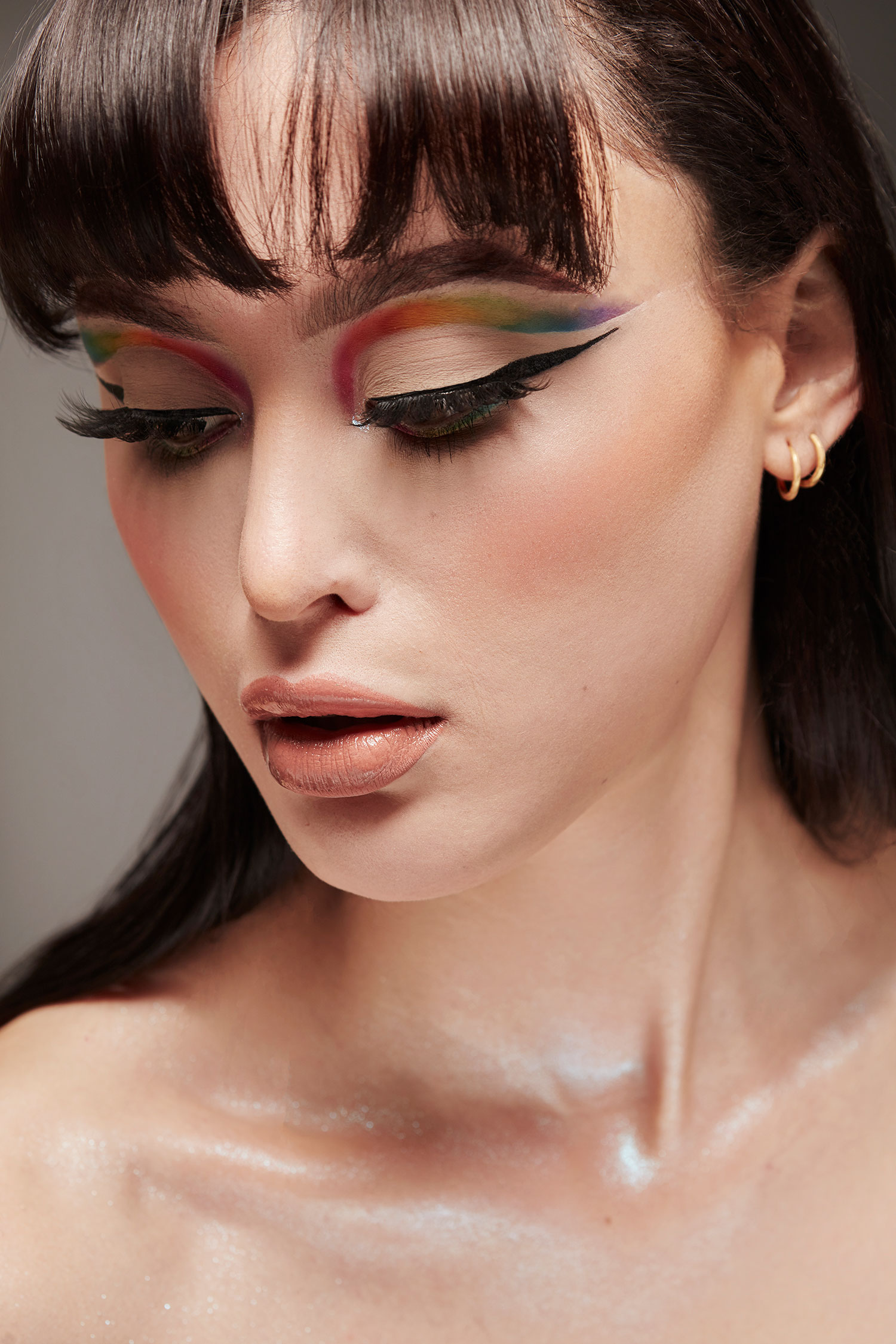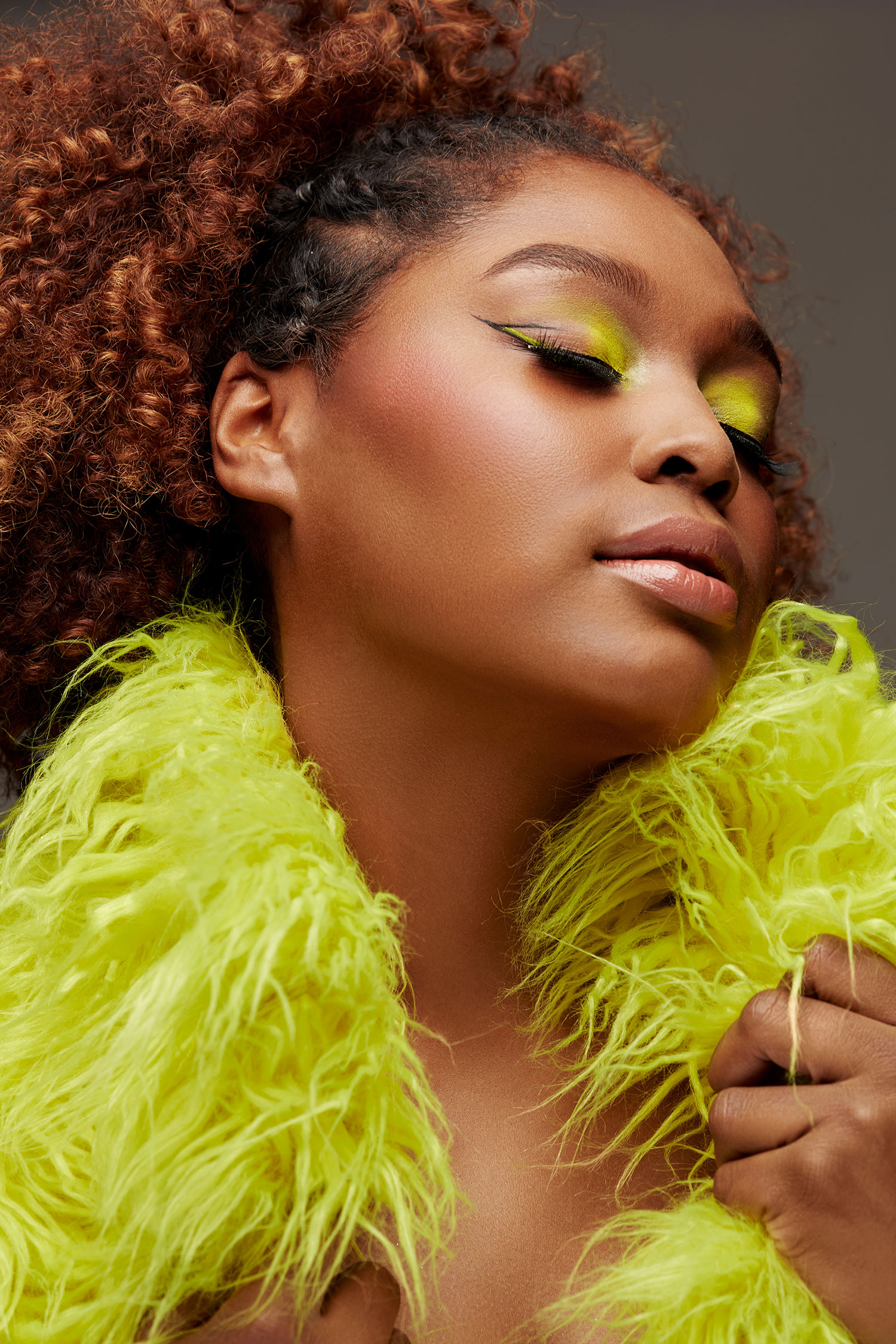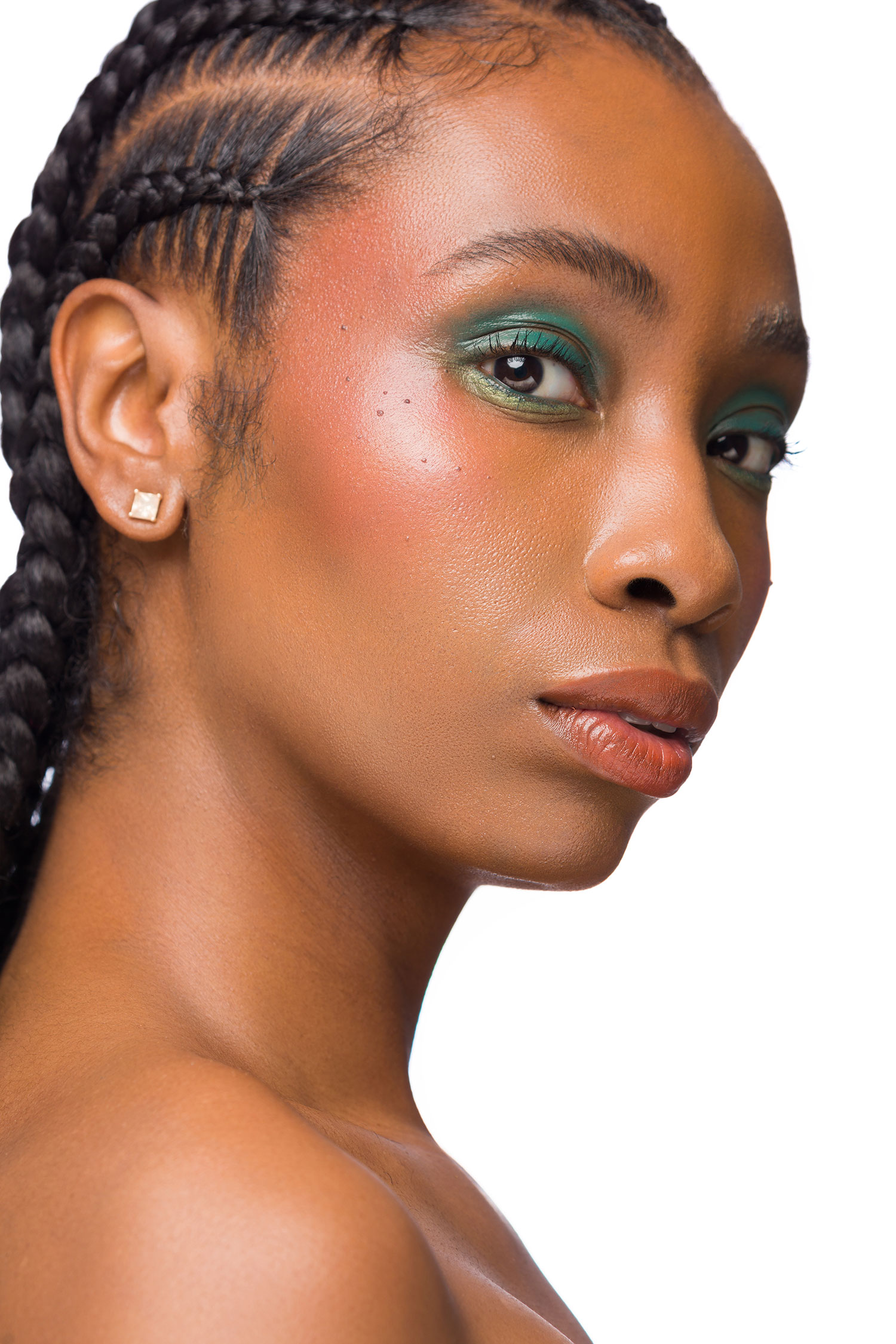
Creating a professional editorial makeup look requires more than talent—it demands planning, precision, and understanding the full editorial makeup workflow. From the initial concept to the final runway execution, every step is designed to showcase your artistry while meeting the high standards of fashion editors, designers, and photographers.
At The Makeup Academy, we help makeup artists develop professional skills and portfolios to succeed in editorial work. Whether you’re building your first runway portfolio or refining your technique, understanding the workflow is essential.
This blog will break down the process into actionable steps, giving you insights into planning, executing, and refining editorial makeup for both photoshoots and runway presentations.
Editorial Makeup Workflow: Planning Your Vision
Every great editorial look begins with a concept. Before touching brushes, successful makeup artists focus on MUA concept planning. Concept planning ensures that your work aligns with the creative direction of the shoot and maximizes impact.
Effective MUA concept planning starts with researching the latest magazine makeup trends and runway styles to inspire your vision. Understanding the theme of a shoot or show is critical, is it avant-garde, high fashion, or natural beauty? Knowing this early helps in choosing the right products, colours, and techniques.
Collaboration is also key. Communicate with photographers, stylists, and creative directors to ensure your makeup supports the overall concept. A cohesive look is much more memorable than an isolated, out-of-place design.
By investing time in concept planning, you ensure that your editorial makeup steps are cohesive, intentional, and visually compelling, giving your portfolio an edge over the competition.
Editorial Makeup Steps: From Prep to Finish
Structured editorial makeup steps help ensure each look is polished and professional. Following a consistent routine allows you to work efficiently, whether in a studio or backstage at a fashion show.
Skin Preparation
The foundation of any makeup look is healthy, well-prepped skin. Start by cleansing and toning the skin to remove impurities. Moisturizers and primers help create a smooth canvas while enhancing product longevity. In editorial work, your skin must withstand intense lighting, photography, and long hours.
Base Application
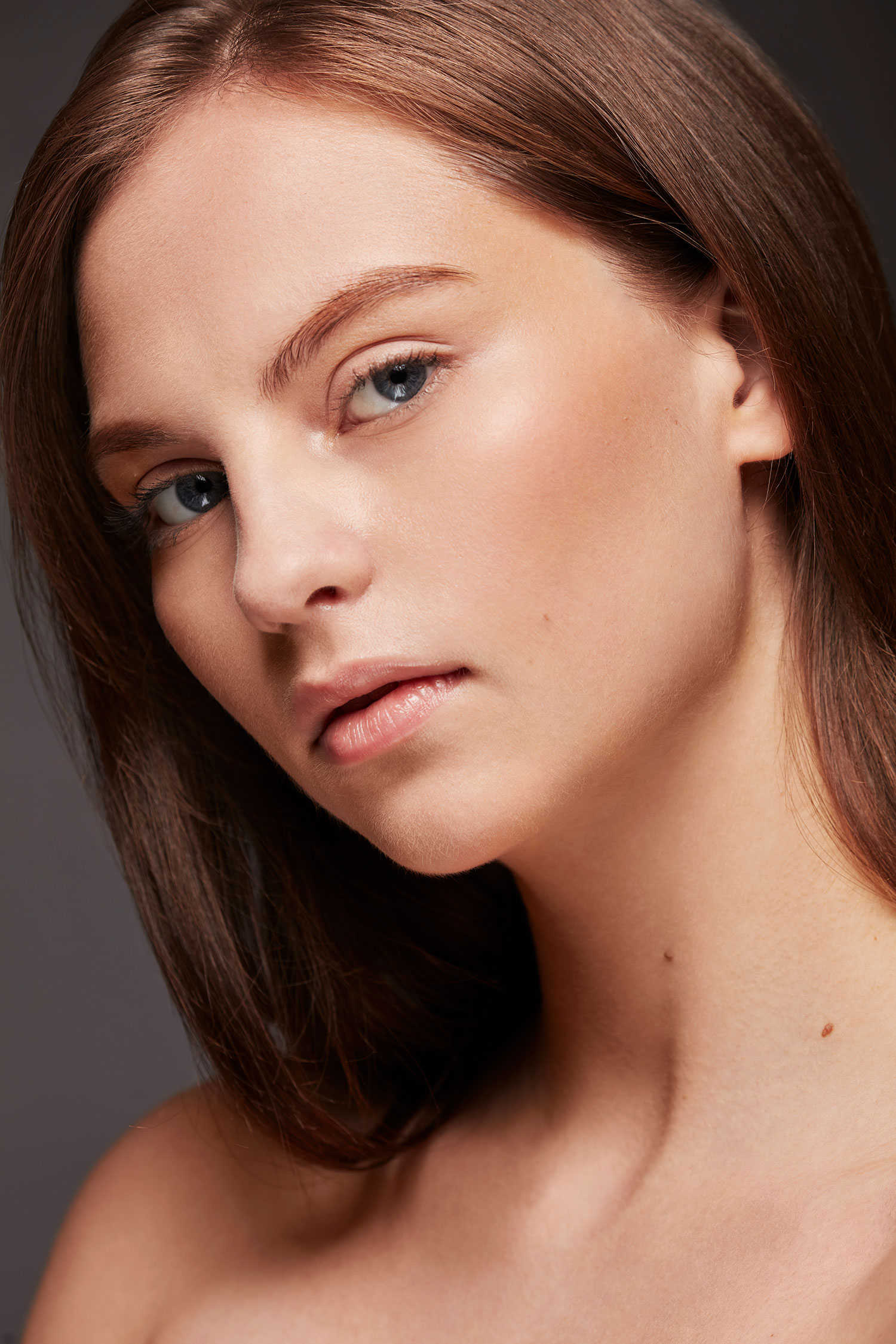
A flawless base is essential. Use foundation, tinted moisturizer, or specialized products to create even coverage. Blending is crucial, editorial makeup is often viewed up close in high-resolution photography, and uneven application is easily noticeable. Layering techniques, such as mixing cream and powder products, can enhance dimension while ensuring longevity.
Defining Features
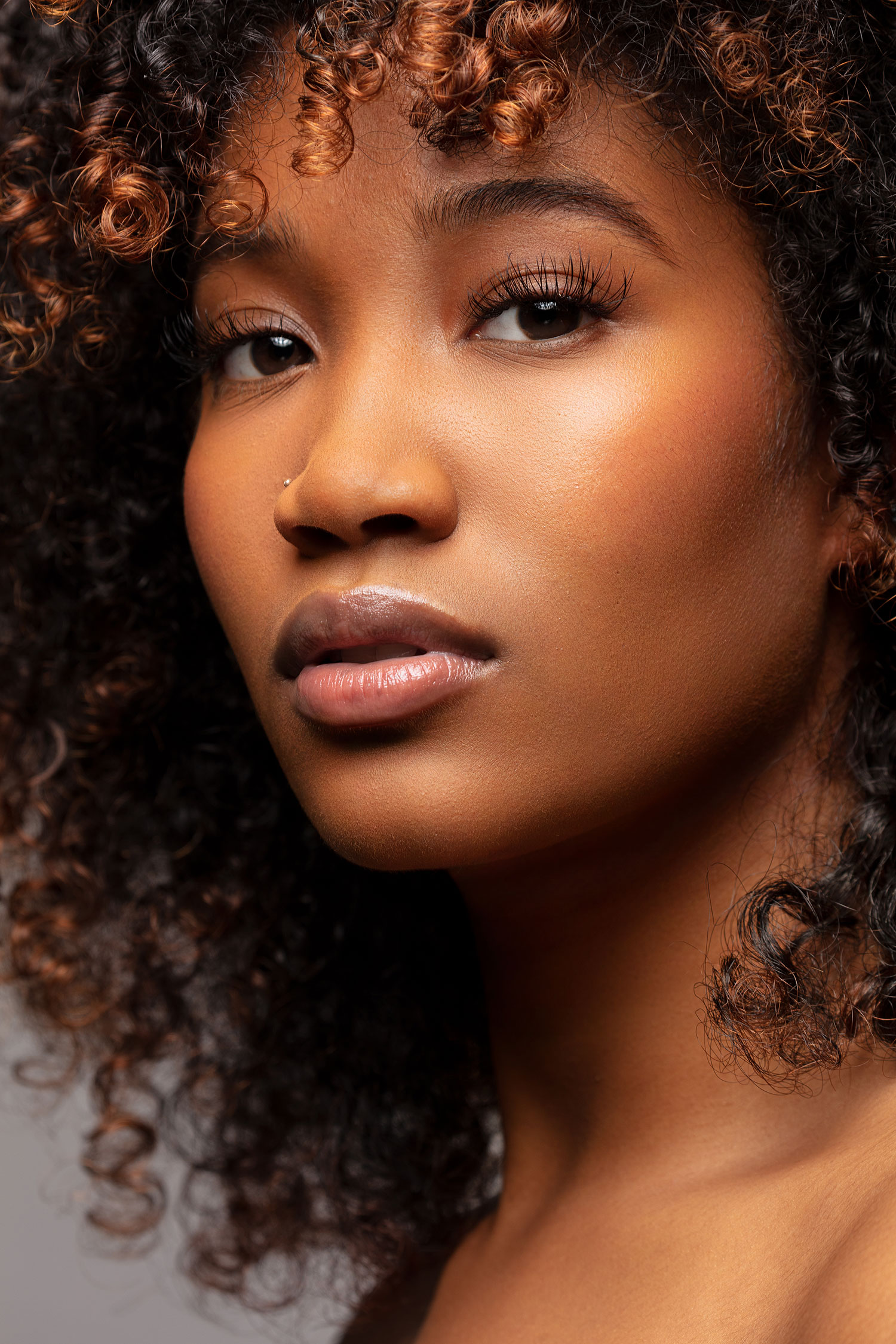
Contouring, highlighting, and blush application help define facial structure and add dimension. The purpose is not only to enhance features but also to ensure that the face translates well on camera. Different editorial looks may require exaggerated or subtle definition, depending on the concept.
Eye Makeup and Brows
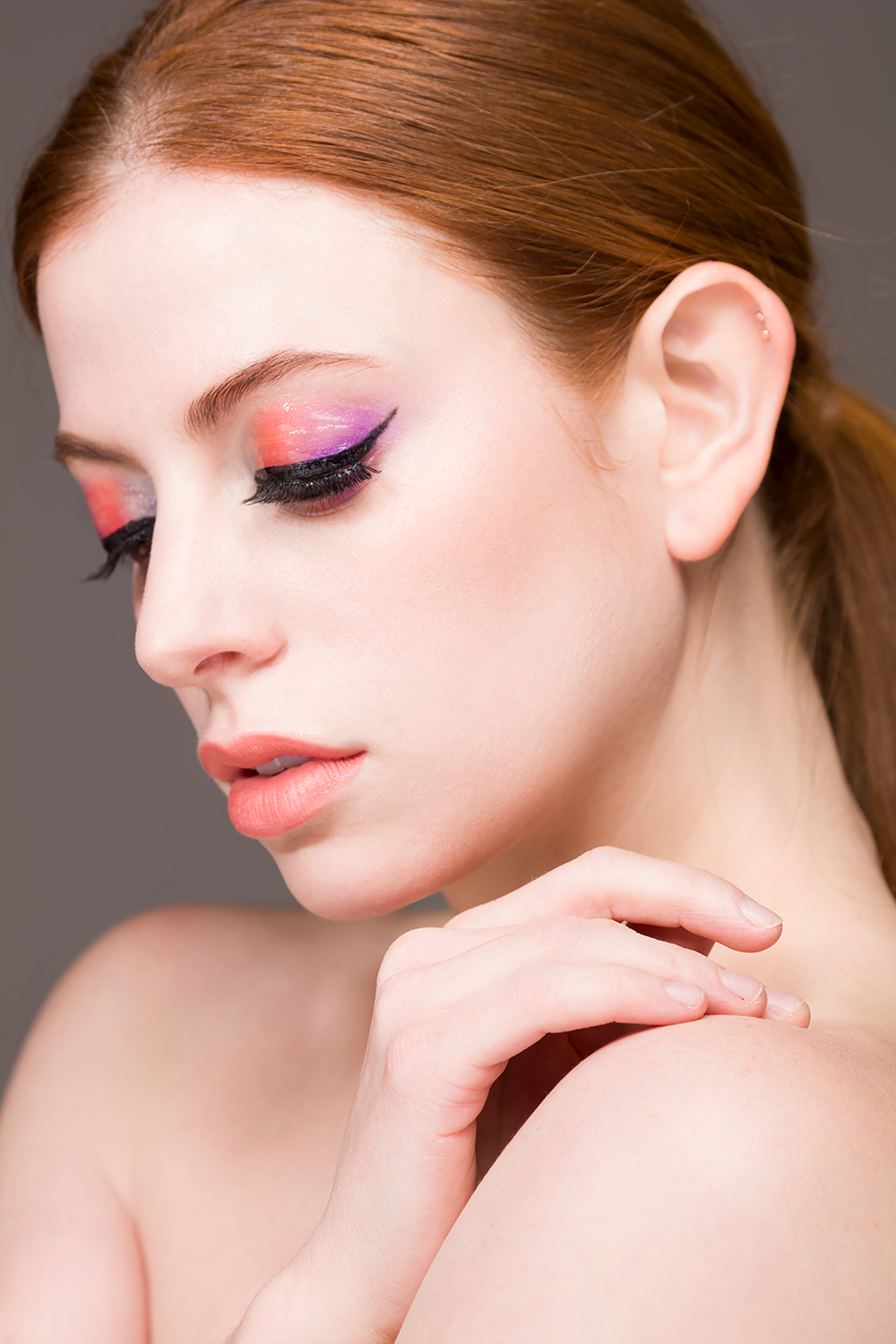
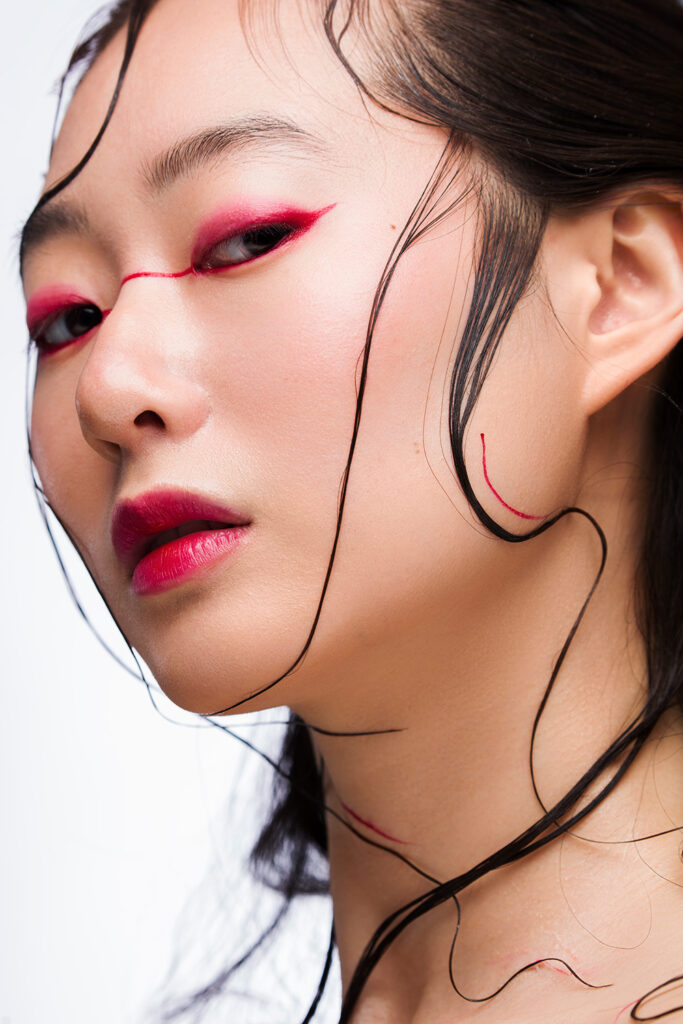
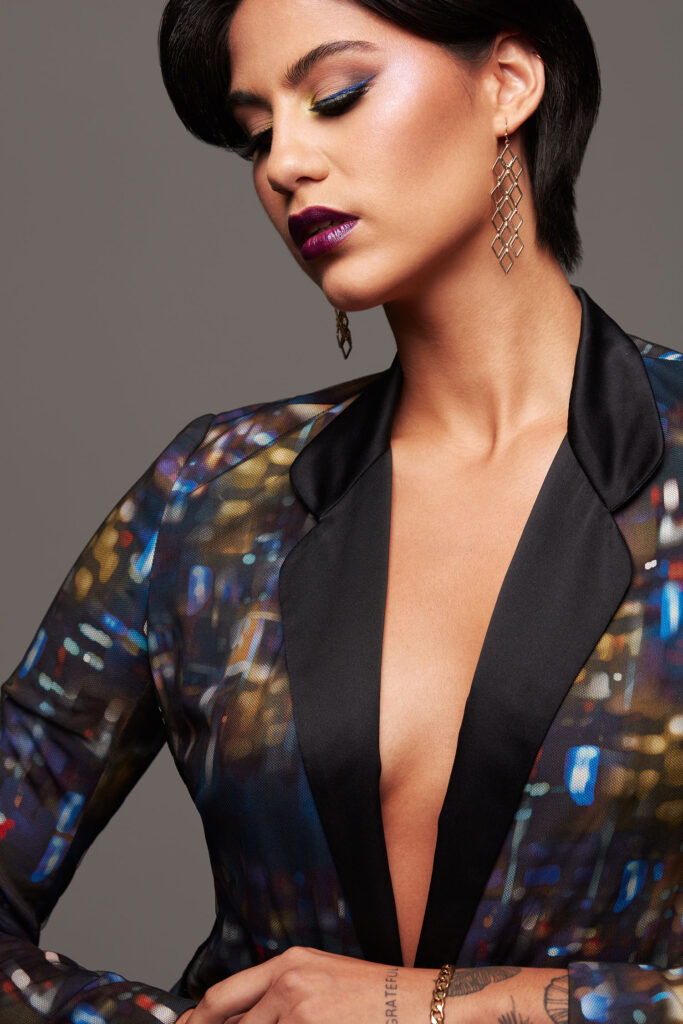
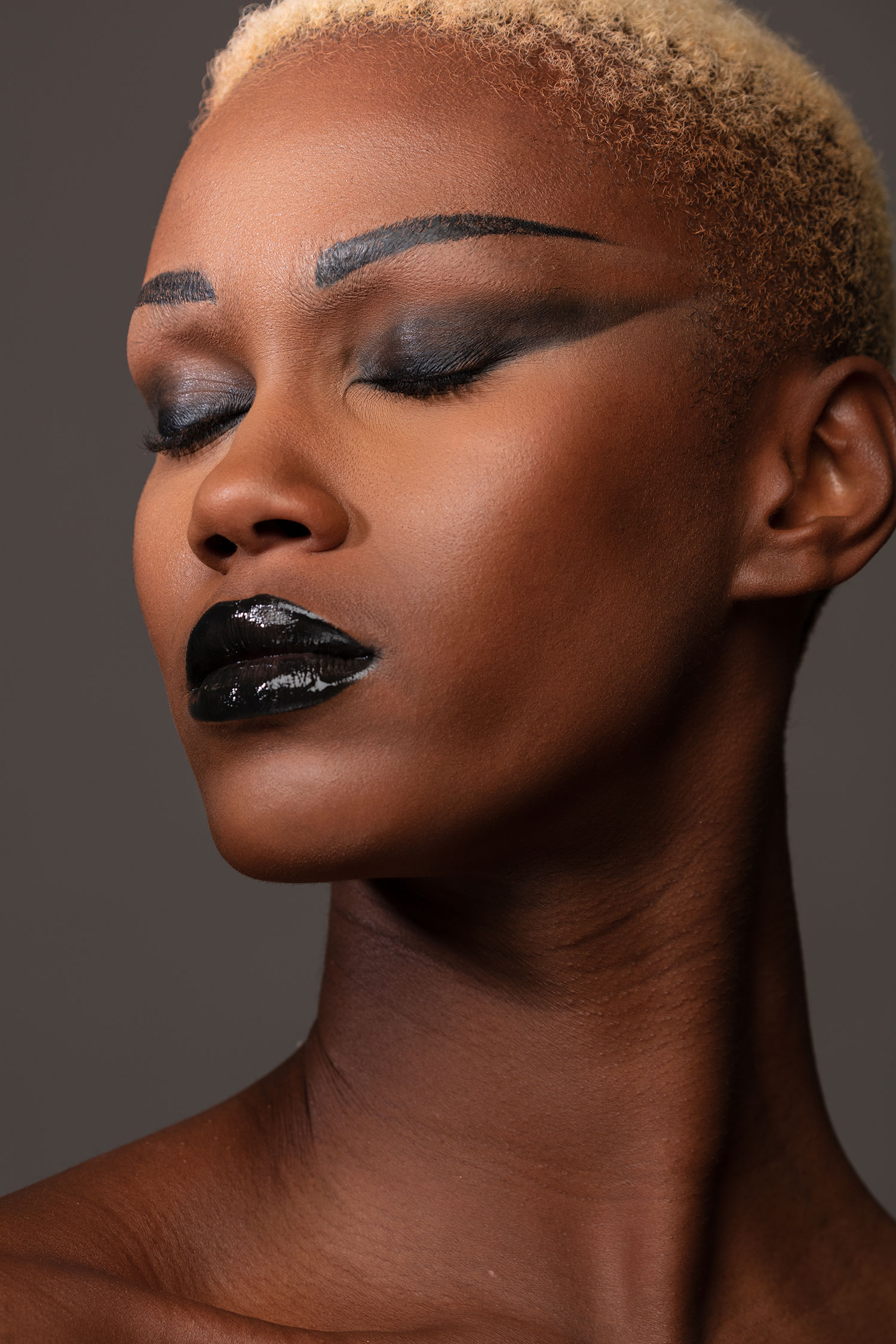
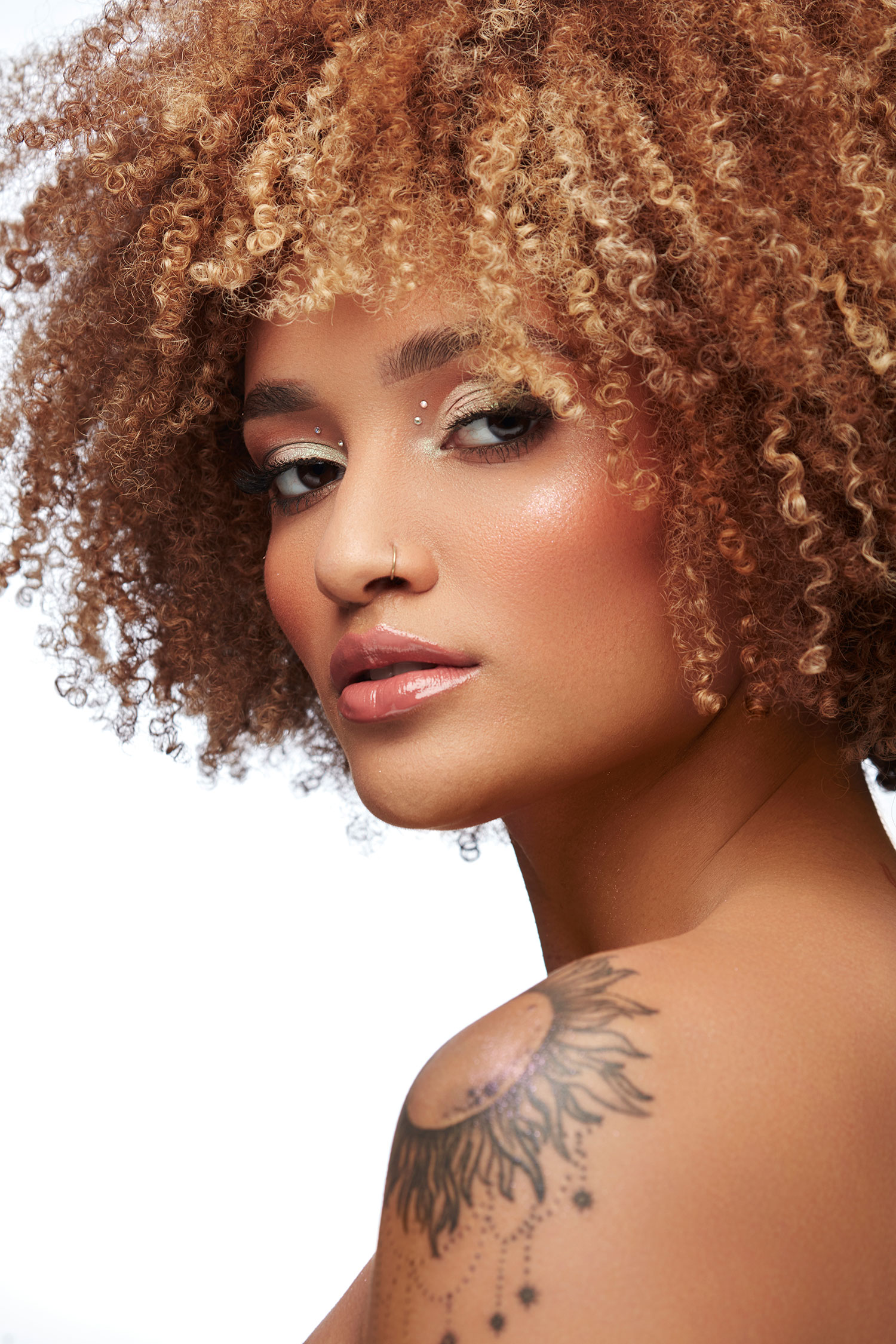
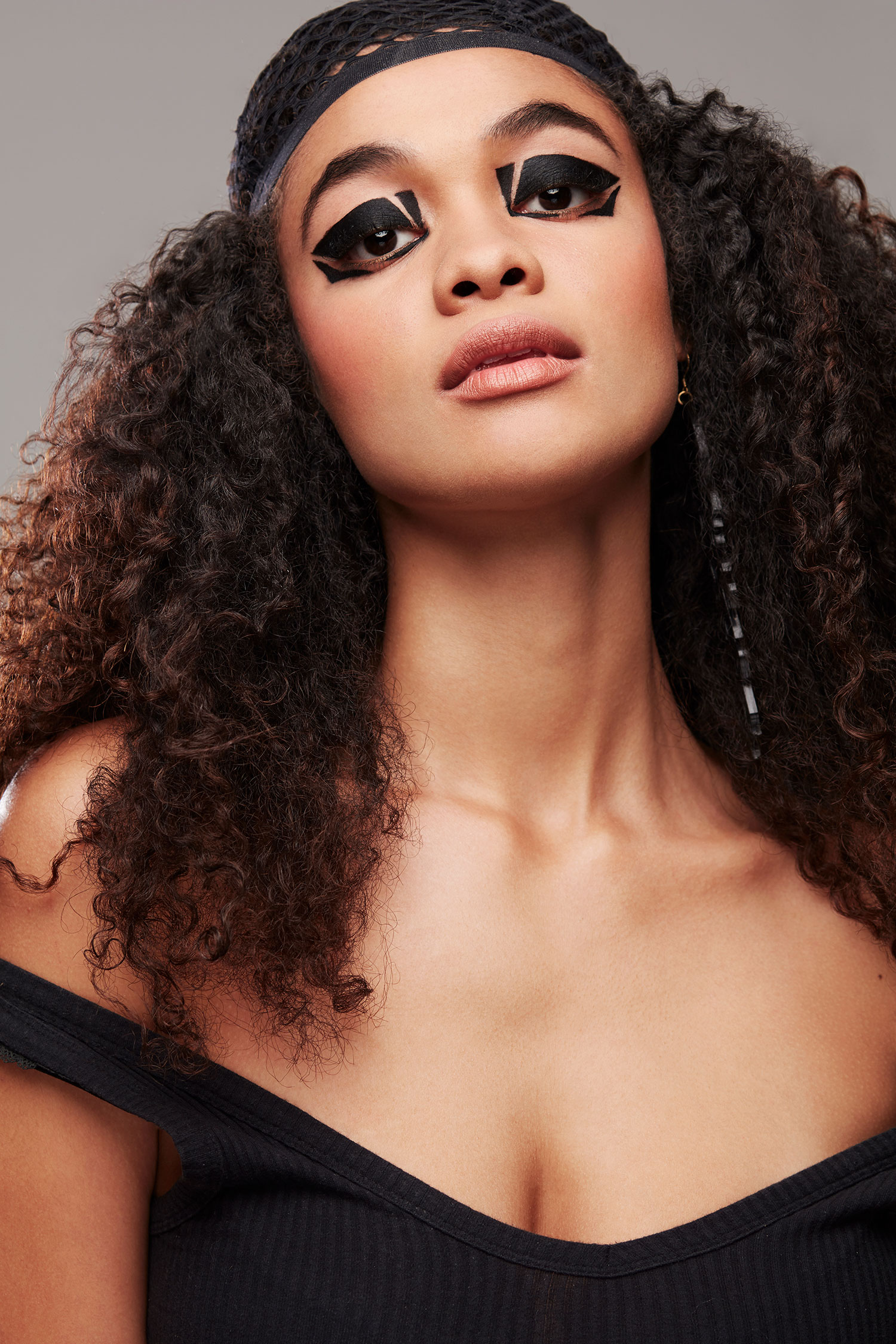
Eye makeup is where creativity shines. Whether it’s bold graphic lines, smoky eyes, or minimalist designs, eyes are a focal point in editorial work. Brows frame the face and should be precise and consistent. Using high-quality pencils and gels helps maintain a polished appearance under intense lighting.
Lips and Finishing Touches
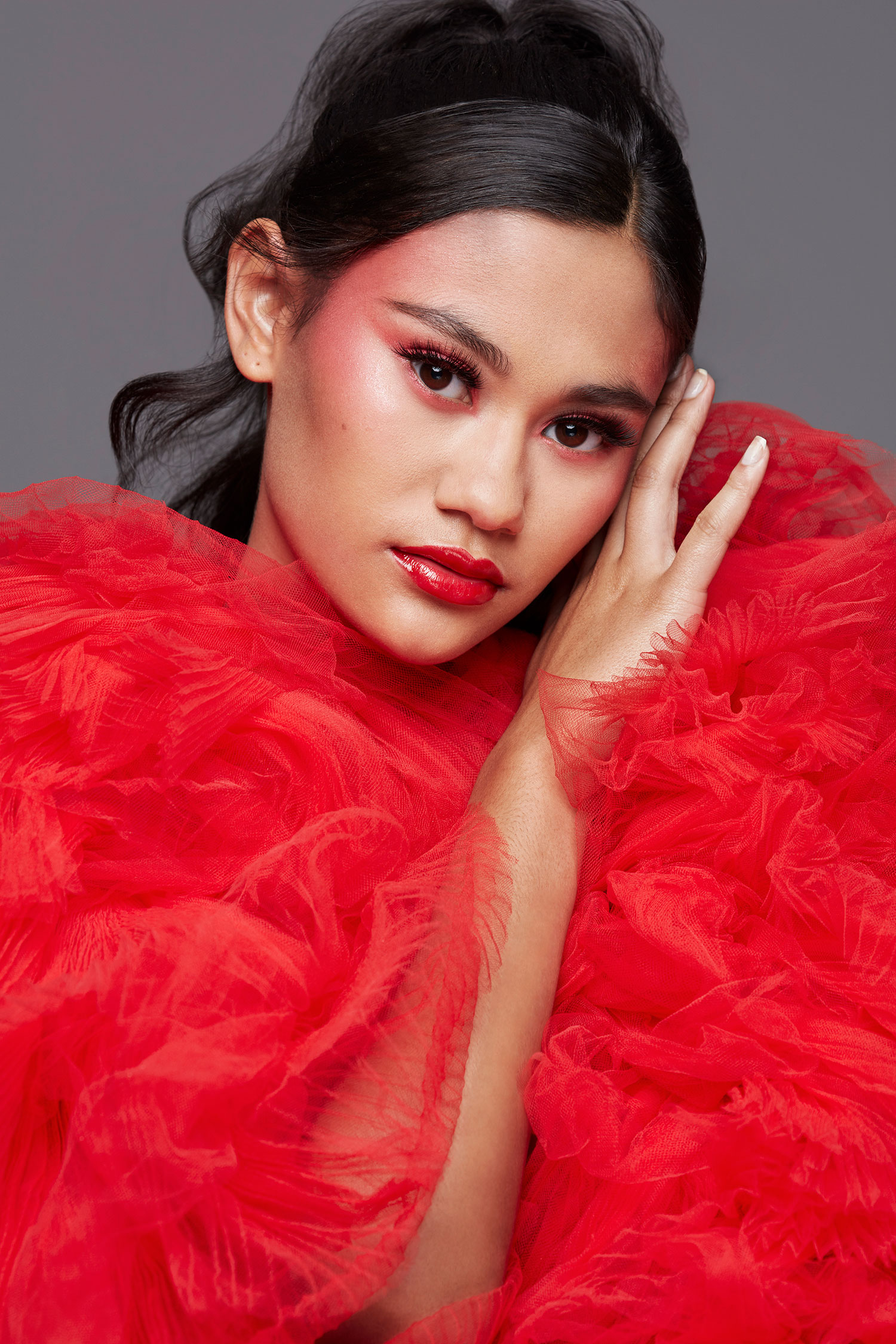
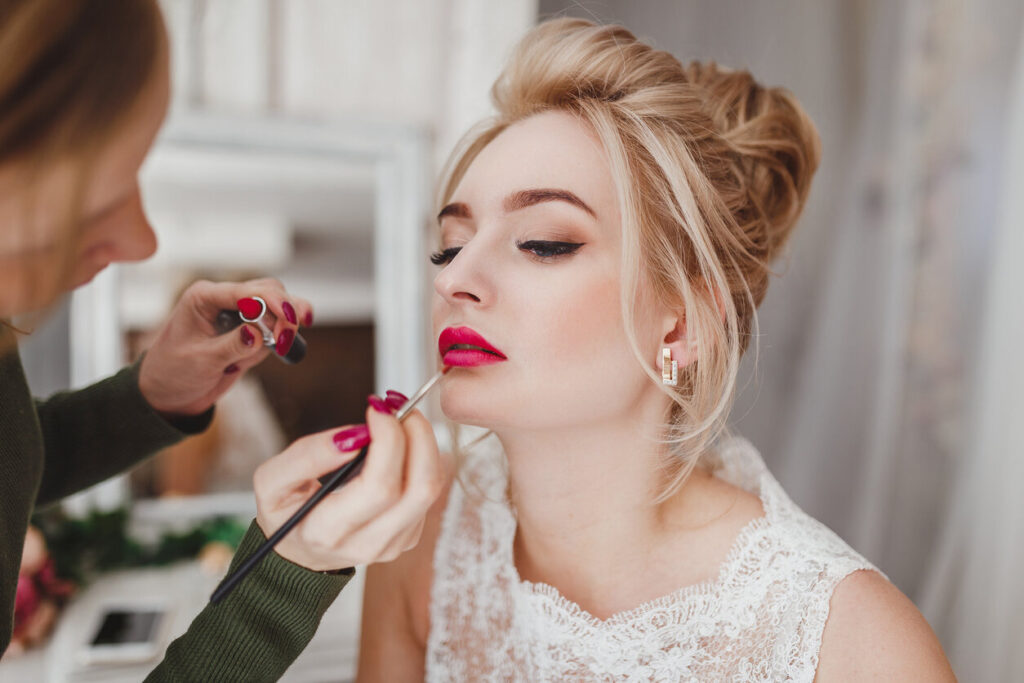
Lip colour selection and finishing touches are often the final statement in editorial makeup. From matte to glossy, bold to subtle, lips must complement the overall concept. Setting sprays and powders ensure that your work lasts through long photoshoots or runway shows, keeping your model ready for every shot or appearance.
Following these editorial makeup steps ensures each look is ready for both photography and live presentations, creating a professional impression every time.
Backstage Makeup NYC: Tips for Efficiency
Working in high-pressure environments like fashion shows or editorial shoots requires mastery of backstage makeup NYC techniques. Organization, speed, and adaptability are essential for success.
First, organize your kit so that all brushes, products, and tools are easily accessible. Time management is also critical, allocate the right amount of time per model and adjust as needed.
Adaptability cannot be overstated. Last-minute concept changes, wardrobe adjustments, or model concerns are common. Efficient backstage practices allow you to maintain professionalism while delivering flawless results.
Understanding backstage workflow also strengthens your confidence. It allows you to handle multiple models and last-minute changes without compromising quality. These skills are vital for both your portfolio and career growth.
Runway Look Execution: Bringing Concepts to Life
Executing a runway-ready look requires translating your concept and planning into live action. Runway makeup demands precision, speed, and adaptability.
Start with prepped models and adhere to the editorial makeup steps established during planning. Strategic use of lighting and mirrors ensures symmetry and accuracy, while constant collaboration with stylists ensures that makeup aligns with hair, wardrobe, and accessories.
Final touch-ups before the model steps on stage are crucial. Runway execution often involves adjusting for lighting, camera angles, and quick wardrobe changes. A professional runway look leaves a lasting impression on designers, editors, and audiences, reflecting your skill and versatility as a makeup artist.
Magazine Makeup Trends: Staying Ahead
Editorial makeup is deeply influenced by magazine makeup trends. To stay competitive, artists must continually adapt and innovate.
Follow top publications and fashion influencers for the latest trends, including bold colours, graphic eyeliner, metallic finishes, and unique textures. Integrating trends into your work while maintaining your artistic voice demonstrates versatility.
Incorporating magazine makeup trends into your portfolio enhances appeal to potential clients and creative directors, showing that you can produce both contemporary and timeless looks.
Tools and Products for Editorial Work
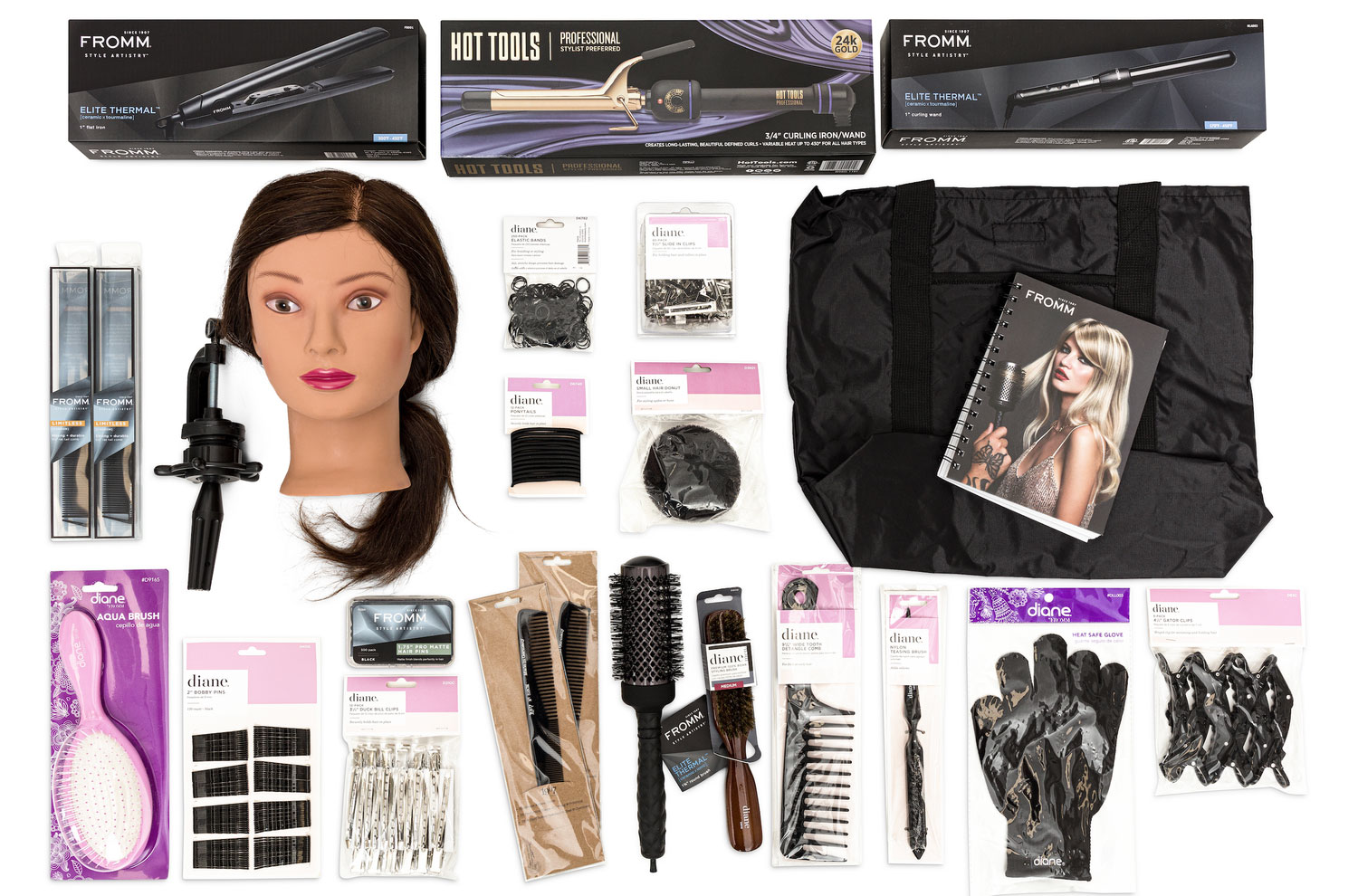
Selecting the right tools and products is essential to creating professional editorial makeup. High-quality brushes, sponges, and applicators ensure precise application, while long-lasting formulas maintain integrity during shoots or shows.
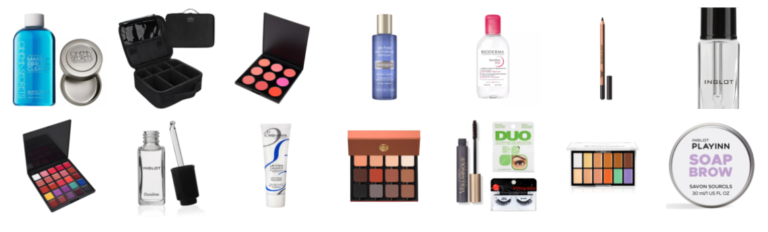
Consider building a kit that includes:
- Foundation and concealers for various skin tones
- Highlighters, blushes, and contour products
- Eye palettes suitable for multiple looks
- Long-wear lip products
- Setting sprays and powders
A well-stocked kit enhances efficiency and reduces stress, especially when working in fast-paced editorial environments.
Portfolio Building for Editorial Makeup
A professional editorial portfolio showcases your ability to execute the full editorial makeup workflow consistently. Include a variety of looks, from runway-ready to editorial shoots, ensuring that each entry demonstrates technical skill and creativity.
Quality photography is crucial. Ensure proper lighting, angles, and clarity to best represent your work. Organize your portfolio to highlight your strongest pieces first, creating an immediate impression of skill and versatility.
The MUA NYC offers programs for refining portfolios and developing industry-ready skills. Explore our Portfolio Building for Makeup Artists program to gain mentorship, professional guidance, and practical experience.
Collaborating with Photographers and Stylists
Collaboration is a cornerstone of editorial work. Working closely with photographers and stylists ensures that your makeup complements wardrobe, lighting, and artistic direction.
Establish clear communication before shoots, sharing mood boards or sketches to align expectations. During shoots, stay adaptable, adjusting based on the photographer’s or stylist’s feedback. Collaborative skills not only improve the quality of the final images but also enhance your reputation in the industry.
Common Challenges in Editorial Work
Editorial makeup comes with unique challenges: tight schedules, last-minute concept changes, diverse skin types, and demanding clients. Overcoming these requires a combination of skill, preparation, and professional attitude.
- Time pressure: Prioritize organization and efficient workflow.
- Model diversity: Develop products and techniques for a wide range of skin tones and textures.
- Creative differences: Maintain flexibility while asserting professional expertise.
By addressing challenges proactively, you strengthen both your workflow and your portfolio, establishing yourself as a reliable and skilled editorial MUA.
Tips for Aspiring Editorial MUAs
For aspiring artists, these tips can accelerate growth:
- Take portfolio classes to refine your skills and showcase your work effectively.
- Attend fashion shows or photoshoots as an assistant to observe real-world workflows.
- Stay updated with trends without losing your unique artistic voice.
- Practice consistently and document every successful look for your portfolio.
Combining these practices with structured editorial makeup steps ensures a professional and impactful career trajectory.
Conclusion
Mastering the editorial makeup workflow is essential for any aspiring or professional makeup artist. From meticulous MUA concept planning to precise execution on the runway, each step contributes to creating striking, memorable looks.
By following editorial makeup steps, staying efficient backstage, and incorporating magazine makeup trends, you can build a strong, versatile portfolio. At The MUA NYC, we provide the guidance, mentorship, and portfolio-building opportunities to help you achieve professional success.
Take your career to the next level and explore our Portfolio Building for Makeup Artists program or reach out today through our Contact Us page to start your journey.
FAQs
Begin with skin prep, apply a flawless base, define features, perfect eyes and brows, finish with lips and setting products.
Practice planning, time management, and adaptability backstage, while collaborating closely with stylists and photographers.
Follow leading publications, fashion blogs, and social media accounts to learn about new techniques and colour palettes.
Yes, high-quality images ensure your work is represented accurately and professionally.
Our programs and mentorship provide hands-on experience, portfolio-building classes, and guidance to refine your skills and present your work effectively.