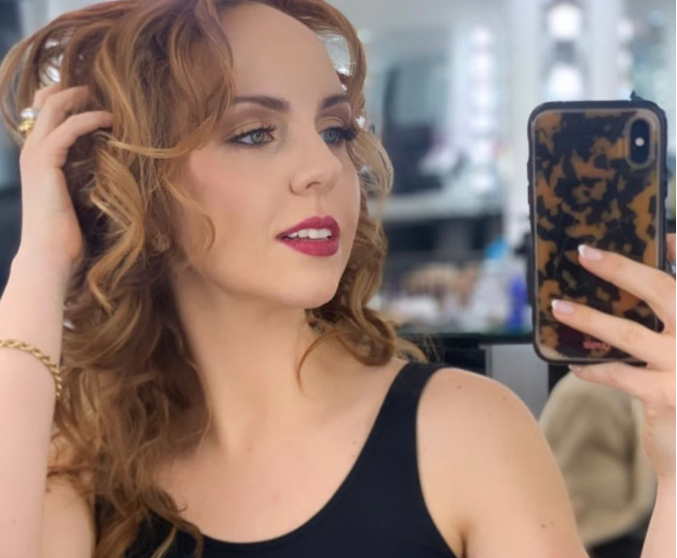
If you’re considering a career in makeup artistry, one of the most important questions during the research stage is: what do makeup courses teach? Many aspiring artists assume it’s just about applying foundation and eyeshadow—but professional training goes much deeper.
Whether you’re starting with personal makeup classes or aiming for a full certification, a structured program helps you develop both creative and practical expertise. From mastering techniques to understanding client needs and building a business, the skills you gain are comprehensive and career-focused.
This article provides full transparency into the professional makeup skills list, helping you understand exactly what you’ll learn and how it prepares you for real-world success.
Core Technical Skills Every Makeup Artist Learns
Professional training always begins with strong technical foundations. These are essential for creating consistent, high-quality results across different clients and occasions.
Before advancing to creative looks, students focus on mastering precision, control, and product application.
Skin Preparation and Analysis
Understanding skin is critical for any makeup application. Students are trained to evaluate and prepare skin effectively.
- Identifying different skin types and conditions
- Prepping skin with cleansing, toning, and moisturizing
- Selecting primers based on client needs
- Ensuring makeup longevity through proper prep
Complexion and Foundation Techniques
A flawless base is the backbone of professional makeup artistry. Training focuses on achieving natural and polished results.
- Matching foundation to skin tone and undertone
- Layering products for different coverage levels
- Concealing blemishes, dark circles, and pigmentation
- Highlighting and contouring for face shaping
Eye Makeup Application
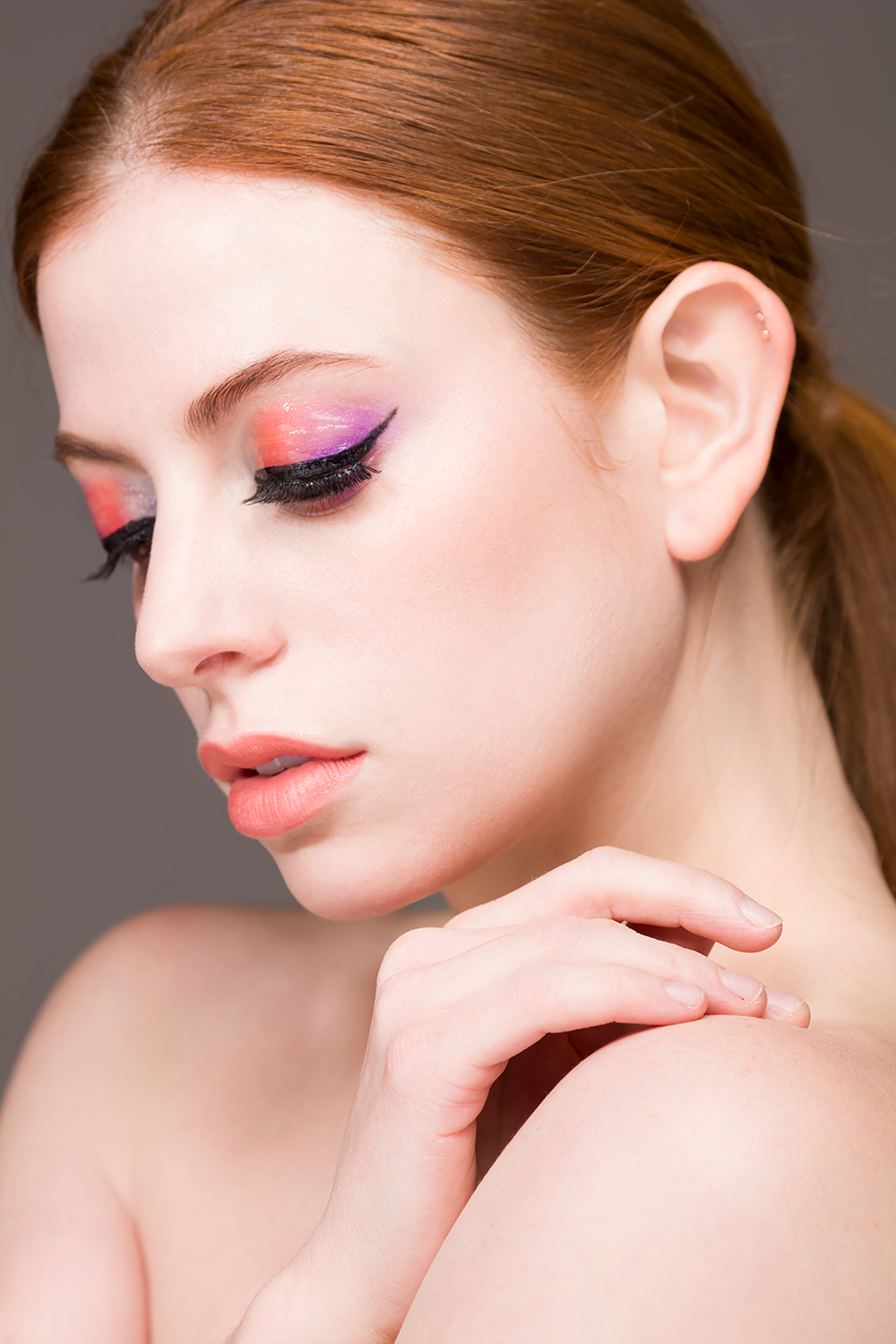
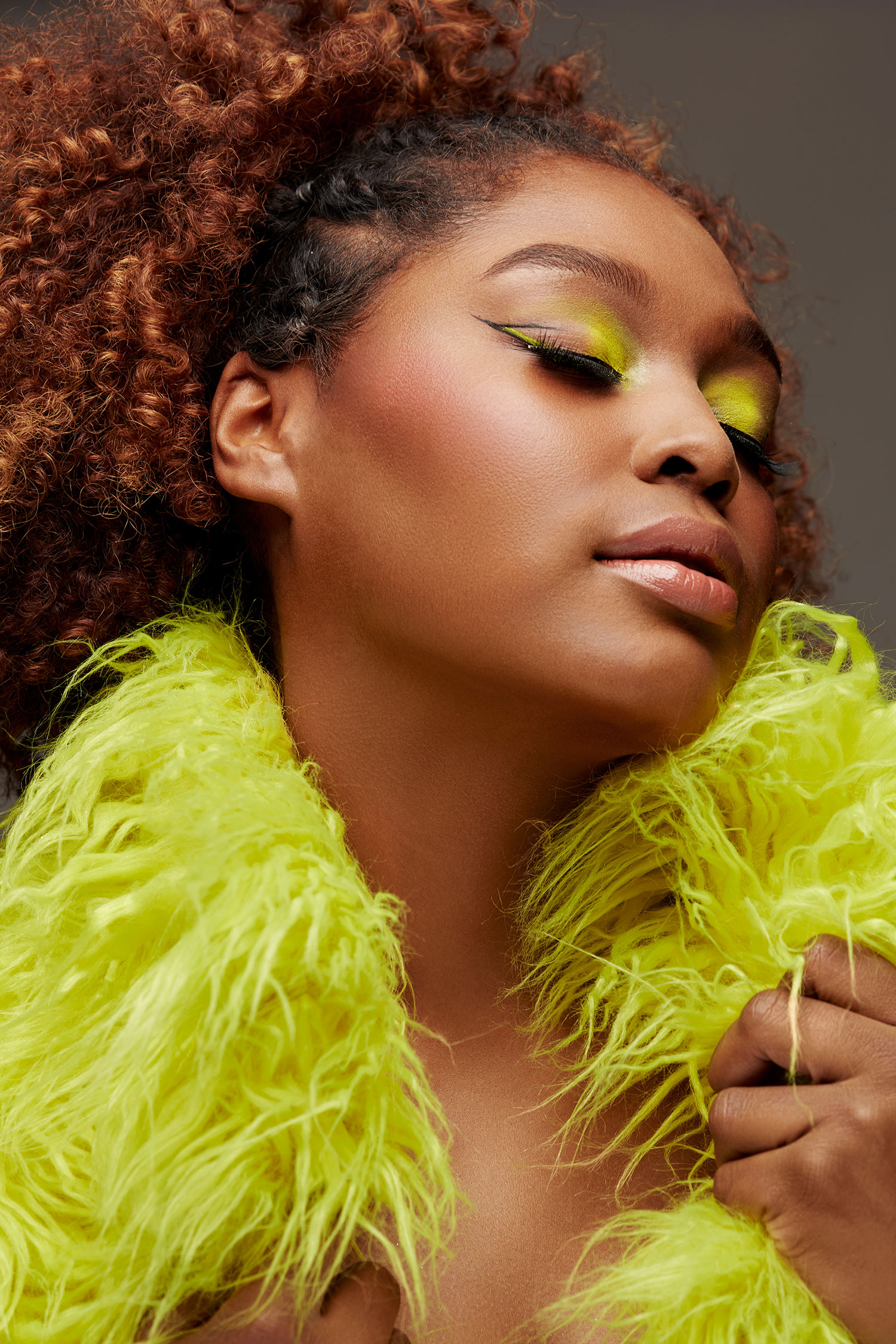
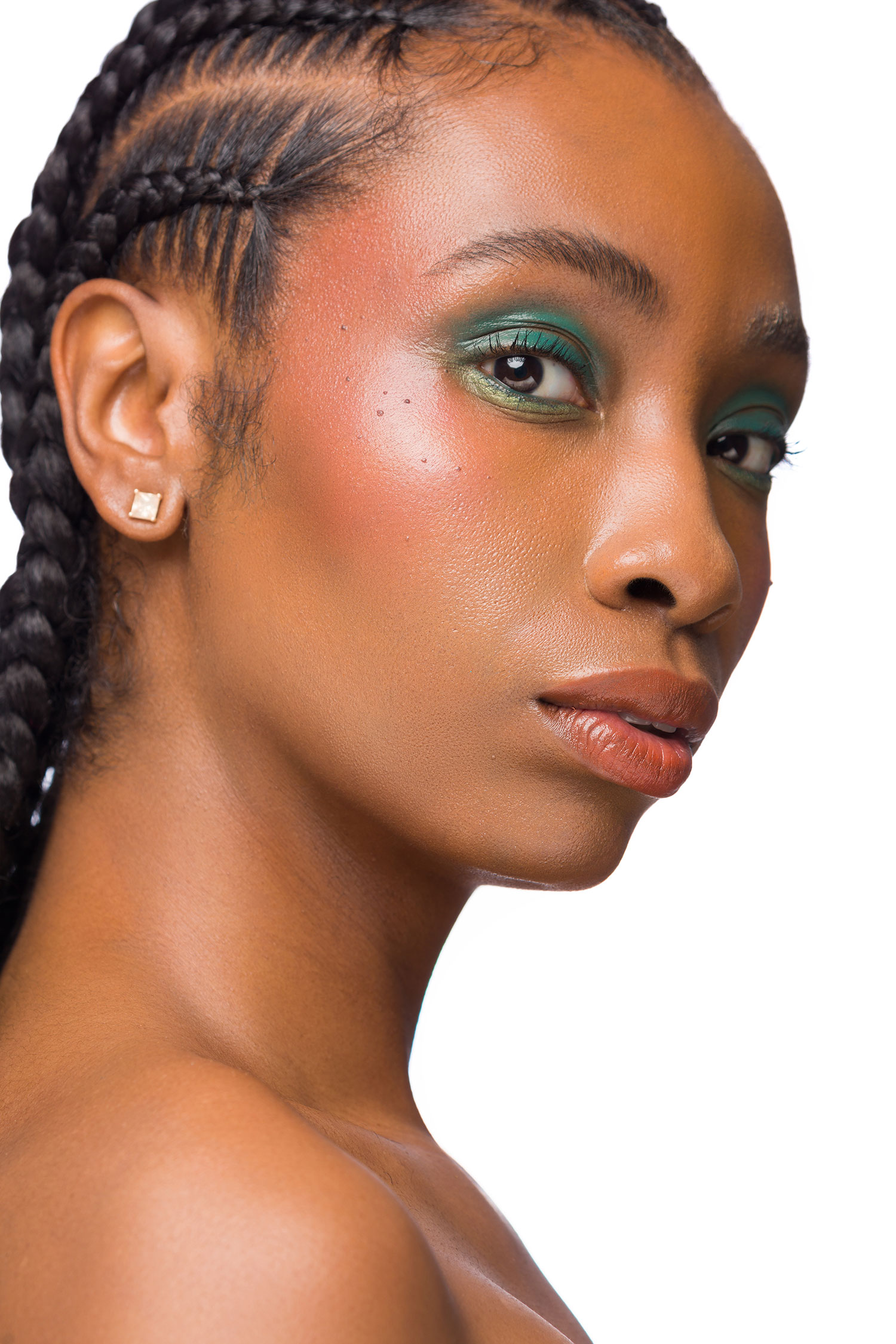
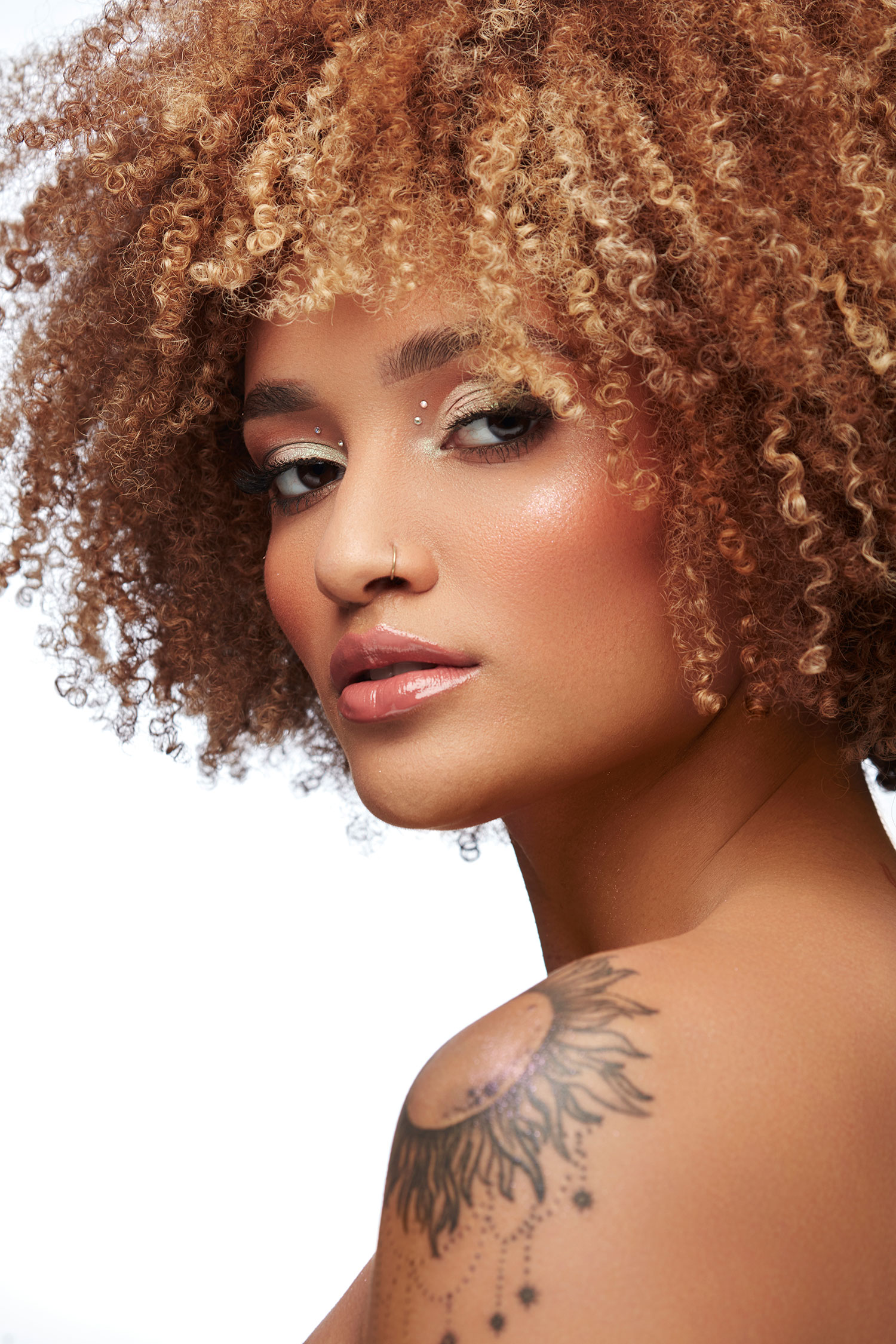
Eye makeup is one of the most versatile and creative aspects of the craft. Students learn techniques for various styles and occasions.
- Blending eyeshadows seamlessly
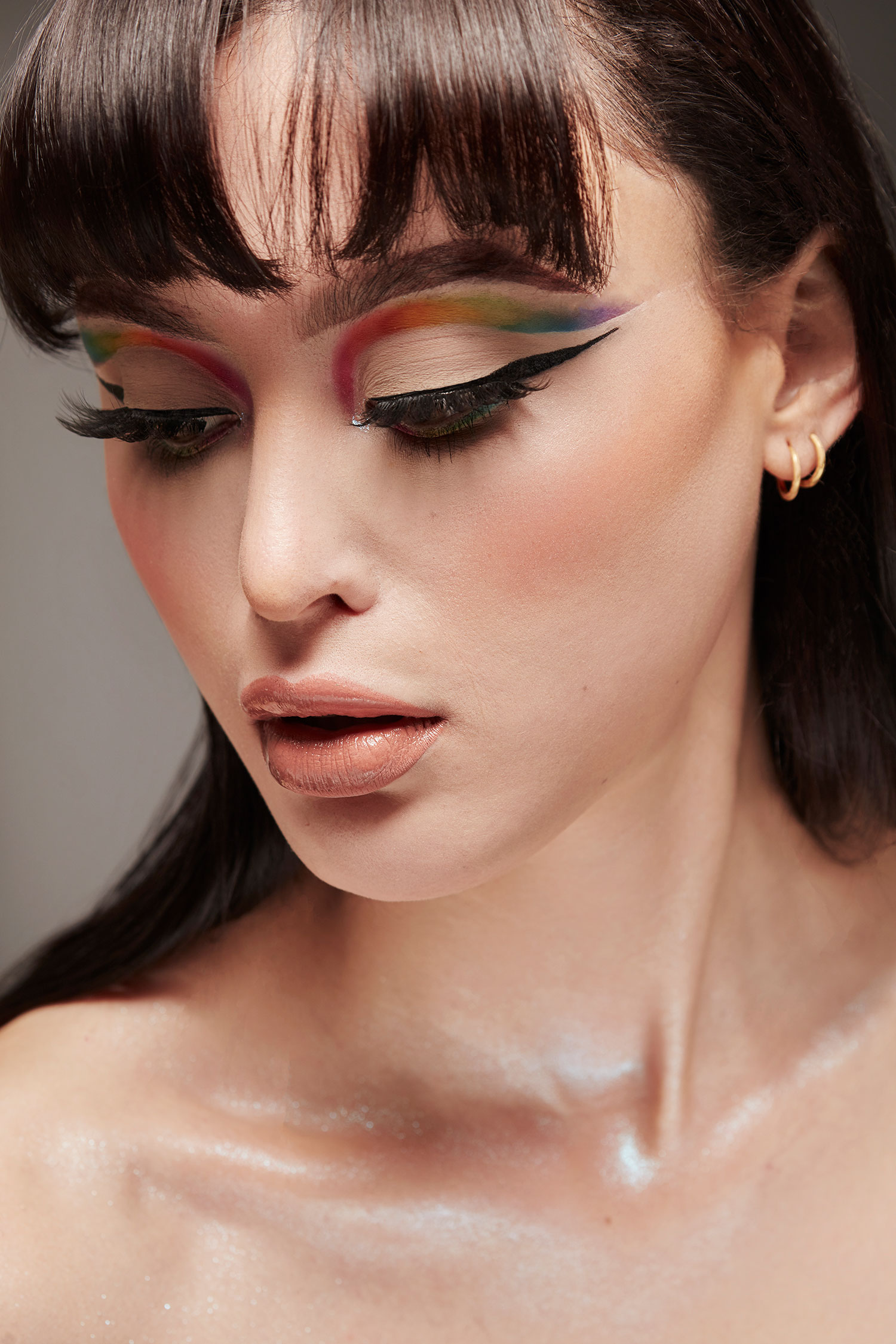
- Creating classic and modern eyeliner looks
- Applying false lashes professionally
- Defining and shaping eyebrows
Lip Application and Finishing Details
Finishing touches complete the overall look and enhance balance.
- Defining lip shapes for symmetry
- Choosing complementary shades
- Applying long-lasting lip products
- Balancing lips with eye makeup intensity
Advanced Techniques You Learn in a Makeup Artist School
Once foundational skills are mastered, students move into advanced artistry. This is where creativity meets technical precision.
At a professional makeup artist school, advanced training prepares you for multiple industries, including fashion, bridal, and entertainment.
Editorial and Fashion Makeup Skills
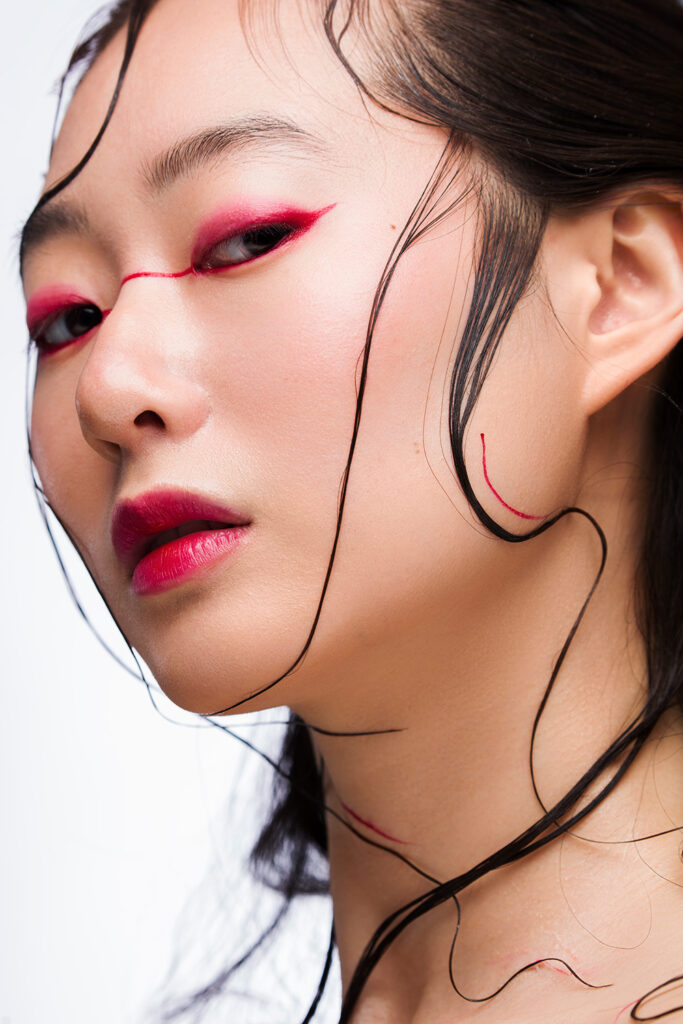
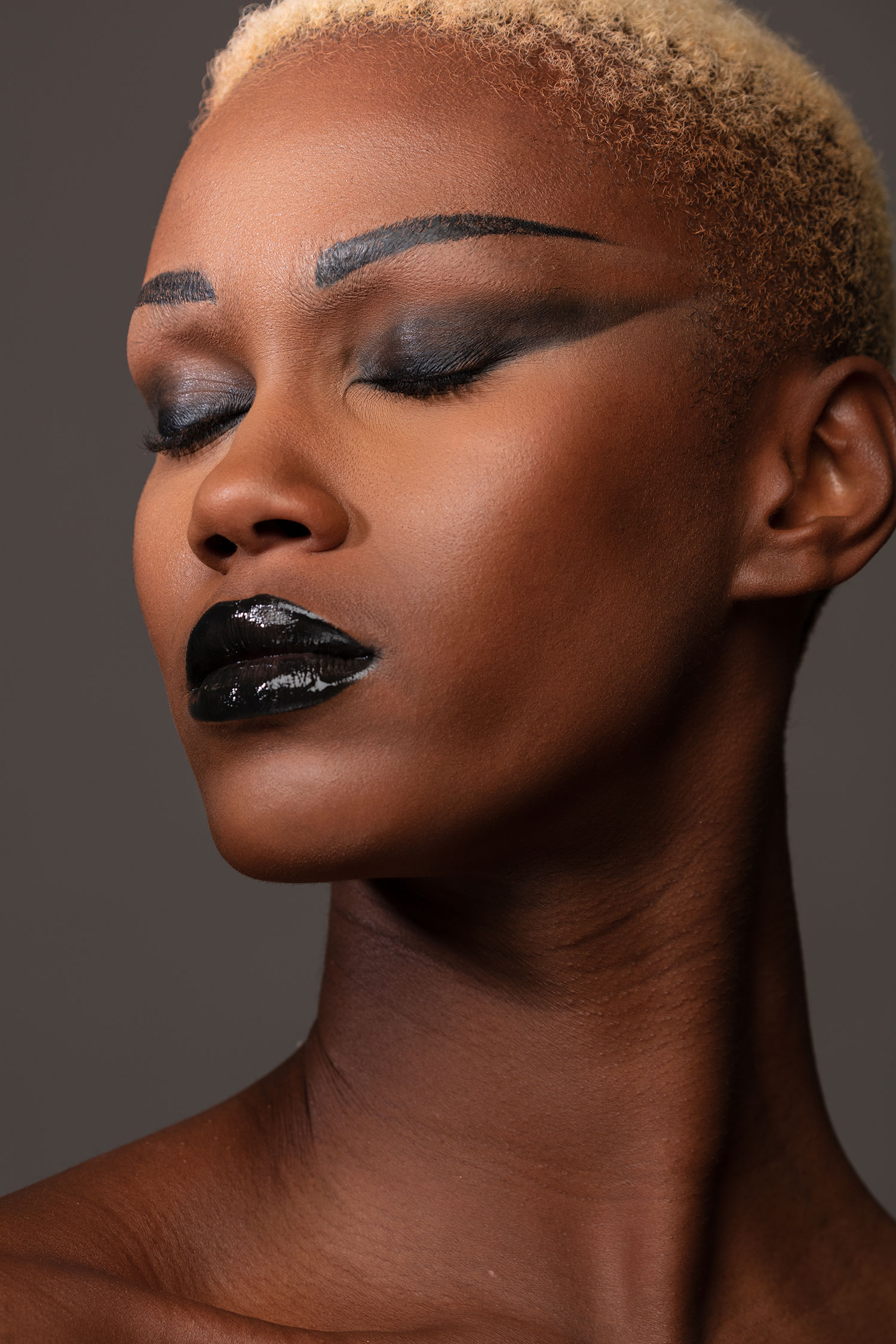
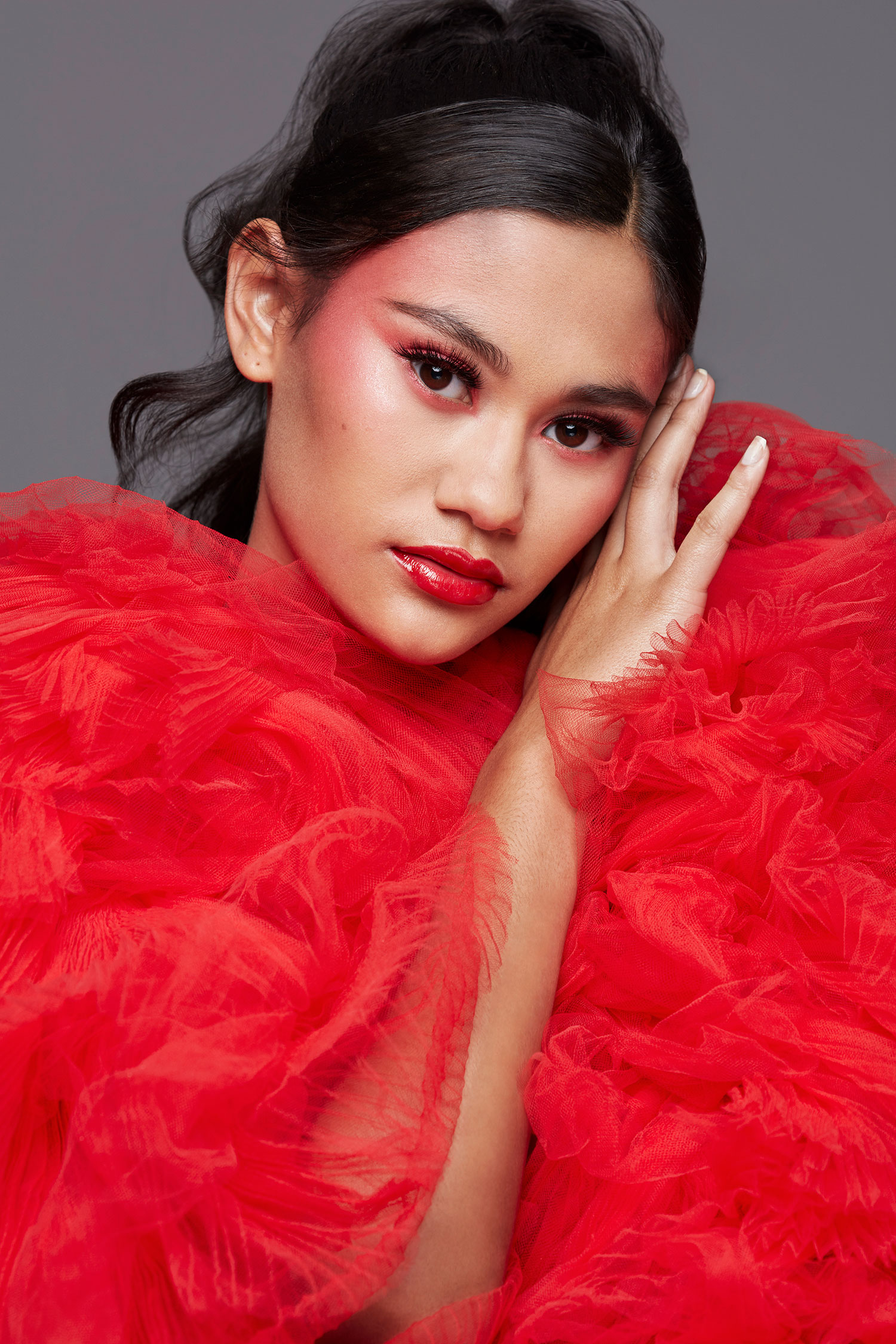
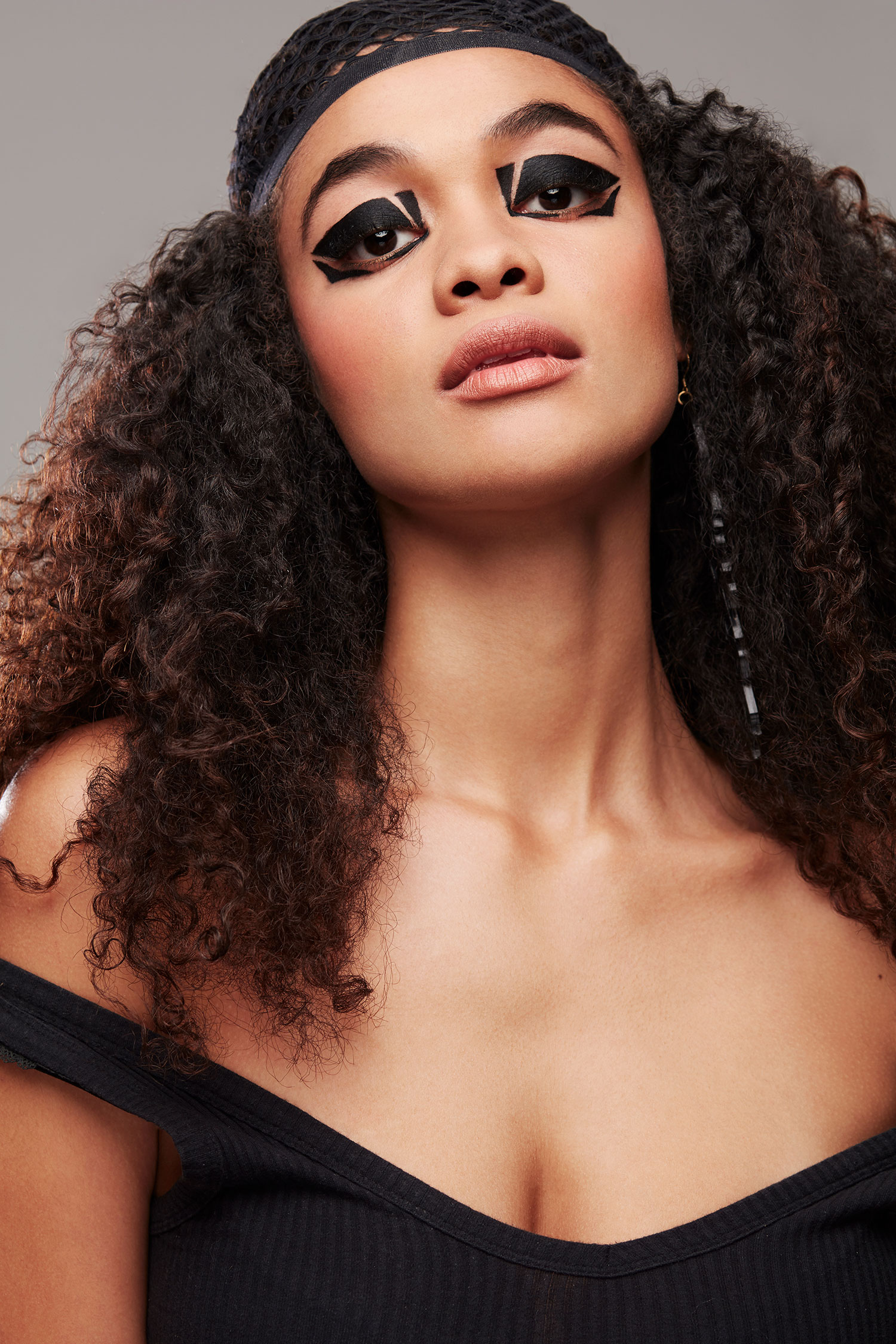
Editorial makeup allows artists to experiment with bold and artistic looks.
- Creating high-fashion and runway styles
- Understanding lighting and camera effects
- Collaborating with photographers and stylists
- Developing trend-based creative concepts
Bridal and Event Makeup Expertise
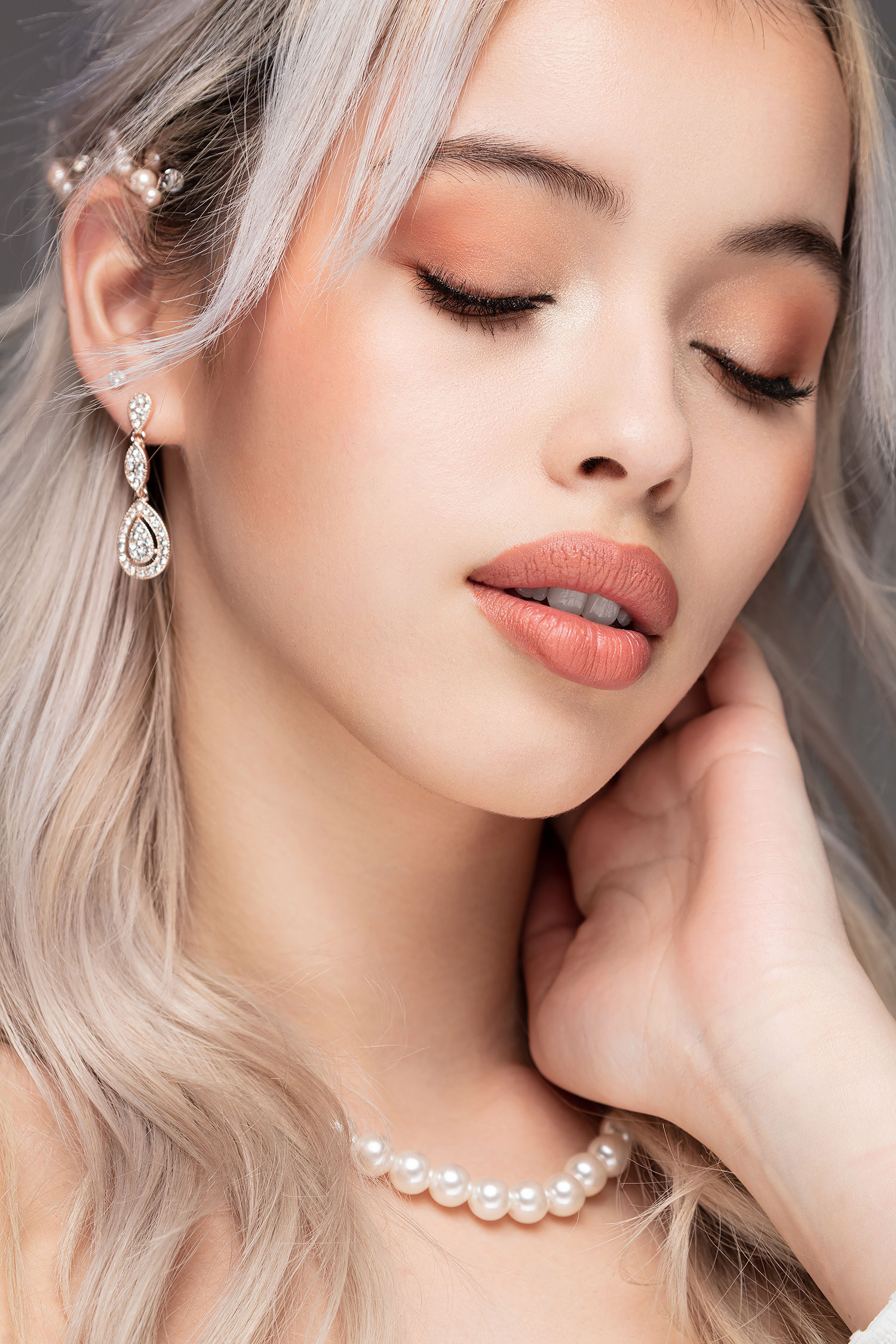
Bridal artistry requires precision, durability, and customization. Programs like a bridal makeup academy focus on:
- Long-lasting, camera-ready bridal looks
- Soft glam and natural finishes
- Cultural and traditional makeup styles
- Client consultations for special occasions
Special Effects (SFX) Makeup Training
For those interested in film and TV, sfx makeup training nyc introduces transformative skills.
- Creating realistic wounds and scars
- Aging and character transformation techniques
- Working with prosthetics and special materials
- Safe application and removal practices
Airbrush Makeup Techniques
Airbrush makeup is widely used in bridal and media settings for its flawless finish.
- Operating airbrush equipment
- Achieving smooth, lightweight coverage
- Maintaining hygiene standards
- Working efficiently in professional environments
Product Knowledge and Tool Mastery
Understanding products and tools is a key part of any makeup classes nyc curriculum. Without this knowledge, even the best techniques can fall short.
Students gain confidence in selecting and using the right products for different situations.
Makeup Products and Formulations
- Learning differences between liquid, cream, and powder products
- Understanding ingredients and skin compatibility
- Choosing products for different skin types
- Avoiding allergic reactions and sensitivities
Brushes and Tools
- Identifying different brush types and uses
- Proper cleaning and maintenance techniques
- Using tools for precision and efficiency
- Maintaining hygiene standards
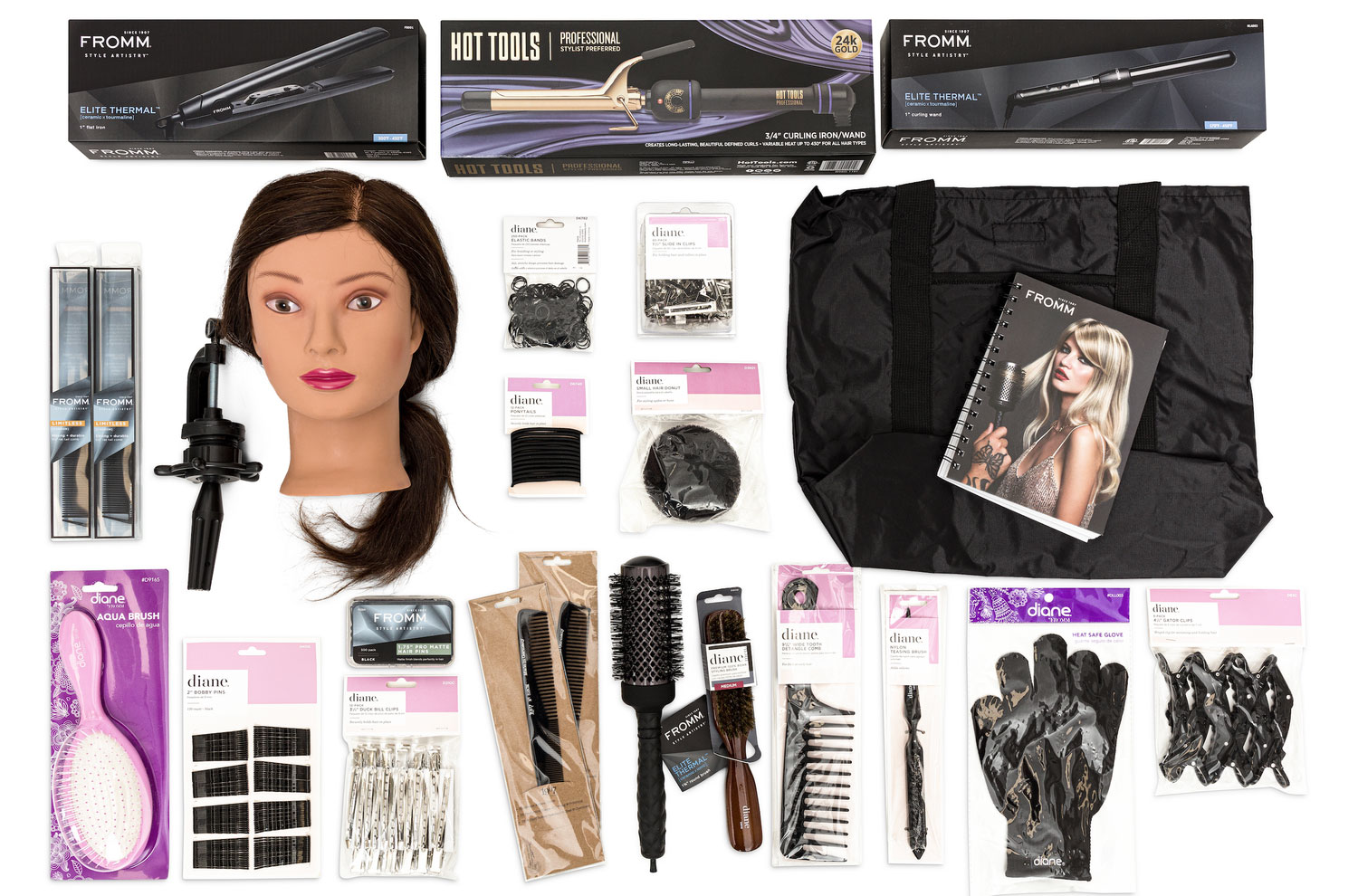
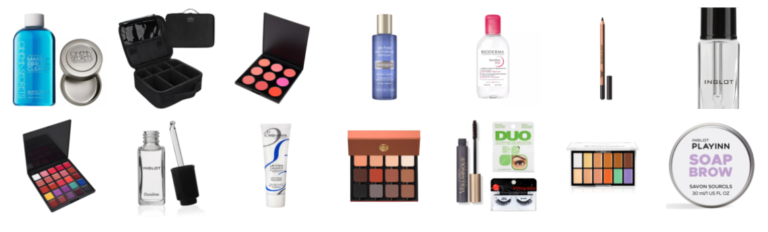
Building a Professional Kit
- Selecting essential products for beginners
- Investing in high-quality tools
- Organizing and maintaining a kit
- Adapting kits for different client needs
Hygiene, Safety, and Professional Standards
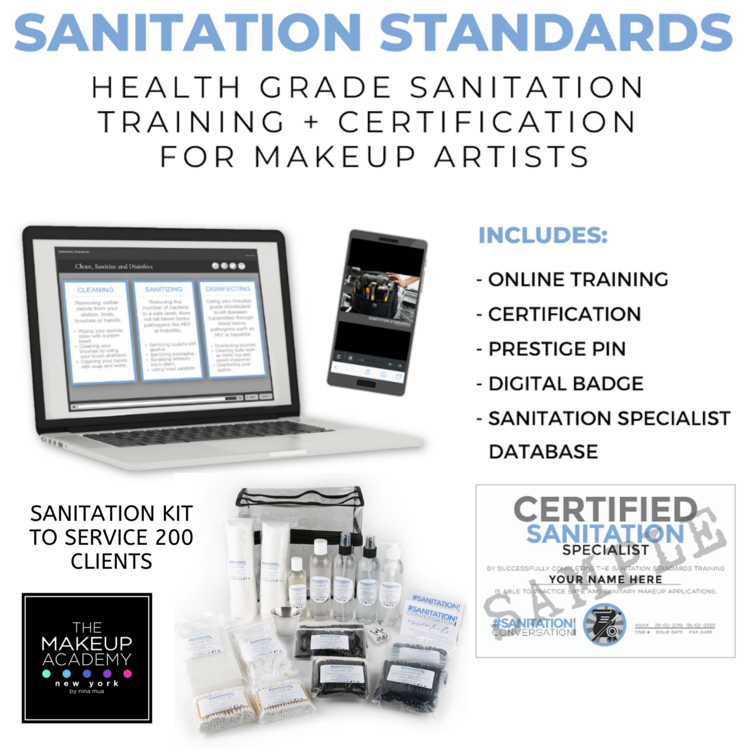
Professional makeup artists must follow strict hygiene practices. This is a critical part of any makeup training new york program.
Maintaining cleanliness ensures client safety and builds trust.
Sanitation Practices
- Disinfecting tools and surfaces
- Using disposable applicators
- Preventing cross-contamination
- Maintaining clean workstations
Client Safety Awareness
- Conducting allergy checks
- Understanding skin sensitivities
- Using safe application techniques
- Ensuring comfort during sessions
Industry Standards and Ethics
- Following professional guidelines
- Maintaining punctuality and discipline
- Respecting client preferences
- Upholding ethical practices
Client Communication and Consultation Skills
A successful makeup artist needs more than technical ability. Communication plays a major role in delivering satisfying results.
This is an important part of understanding what do makeup courses teach beyond artistry.
Understanding Client Expectations
- Conducting detailed consultations
- Asking the right questions
- Identifying client preferences
- Customizing looks accordingly
Building Strong Relationships
- Creating a comfortable experience
- Managing feedback professionally
- Building trust and loyalty
- Encouraging repeat clients
Professional Behavior
- Managing time effectively
- Presenting yourself professionally
- Handling high-pressure situations
- Communicating clearly and confidently
Business and Career Skills You Develop
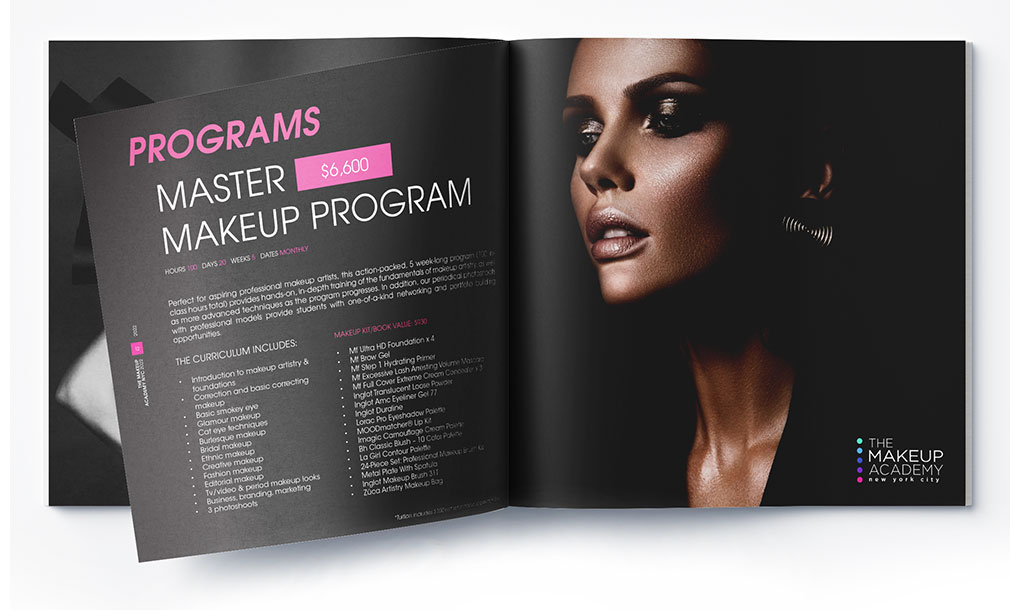
Turning your skills into a career requires business knowledge. Many programs include training similar to master makeup classes to help students succeed professionally.
Freelancing and Pricing
- Setting competitive rates
- Creating service packages
- Managing bookings and schedules
- Handling client payments
Marketing and Branding
- Building a professional portfolio
- Promoting services on social media
- Creating a personal brand
- Attracting new clients
Networking and Industry Exposure
- Collaborating with professionals
- Attending events and workshops
- Building industry connections
- Finding job opportunities
Hands-On Training and Real-World Practice
Practical experience is essential for mastering makeup artistry. Students gain hands-on training through real-world scenarios.
For personalized guidance, private makeup lessons nyc offer one-on-one coaching tailored to individual goals.
Practical Learning Opportunities
- Working on live models
- Participating in photoshoots
- Practicing under time constraints
- Simulating real client scenarios
Building Confidence Through Practice
- Repeating techniques for mastery
- Learning from mistakes
- Receiving expert feedback
- Improving speed and efficiency
Portfolio Development and Certification
A strong portfolio showcases your skills and helps you stand out in the industry.
Creating a Professional Portfolio
- Capturing high-quality images
- Showcasing a variety of looks
- Presenting work professionally
- Highlighting your unique style
Certification and Career Benefits
- Gaining industry credibility
- Increasing job opportunities
- Building confidence
- Demonstrating professional training
Conclusion
A professional makeup education is much more than learning how to apply makeup—it’s about developing a complete skill set that prepares you for a successful career. From technical expertise and creative artistry to business knowledge and client communication, every aspect is designed to help you thrive in the beauty industry.
If you’re serious about becoming a makeup artist, investing in the right training can make all the difference. Explore your options, build your skills, and take the next step toward your dream career. For more details about programs and guidance, feel free to contact us today.
FAQs
What skills do you learn in a makeup artist school?
You learn technical skills like foundation application, eye makeup, and contouring, along with hygiene, client communication, and business strategies.
What do makeup courses teach beginners?
They focus on basic techniques such as skin prep, product knowledge, and simple makeup applications for everyday and professional looks.
Is professional makeup training necessary?
While not mandatory, it provides structured learning, hands-on experience, and industry insights that help you succeed faster.
Can I specialize after completing a makeup course?
Yes, you can specialize in areas like bridal, editorial, or special effects makeup depending on your interests.