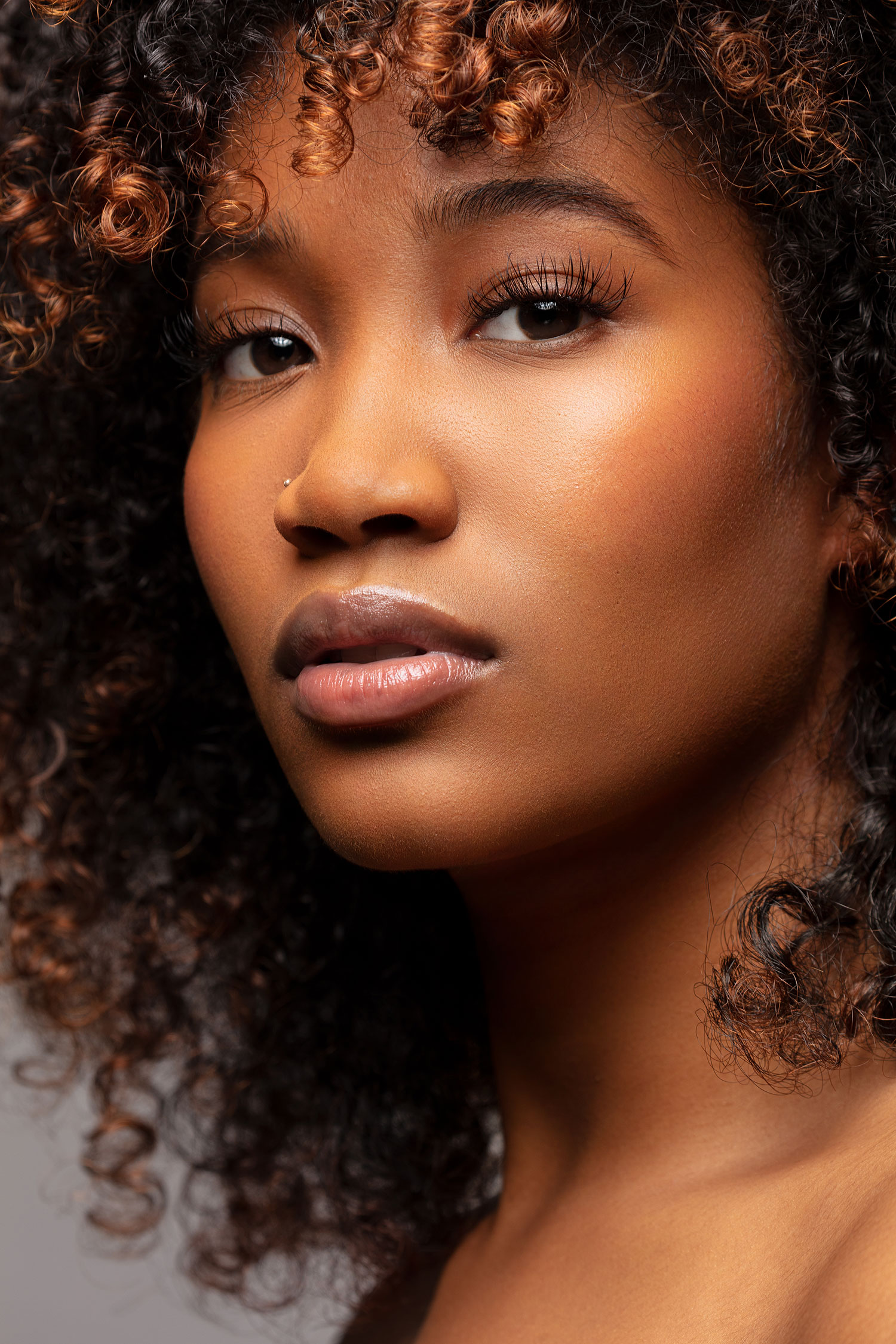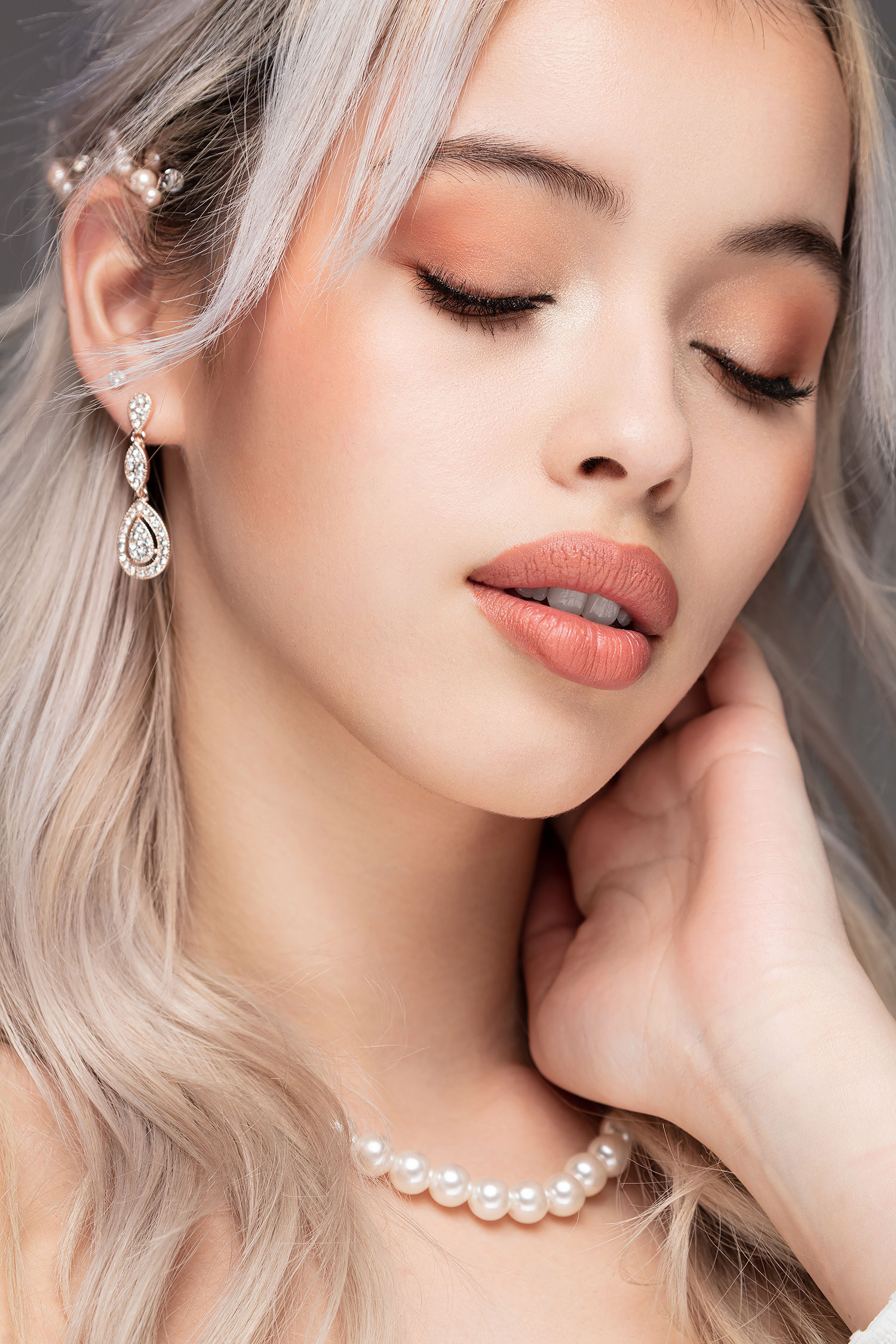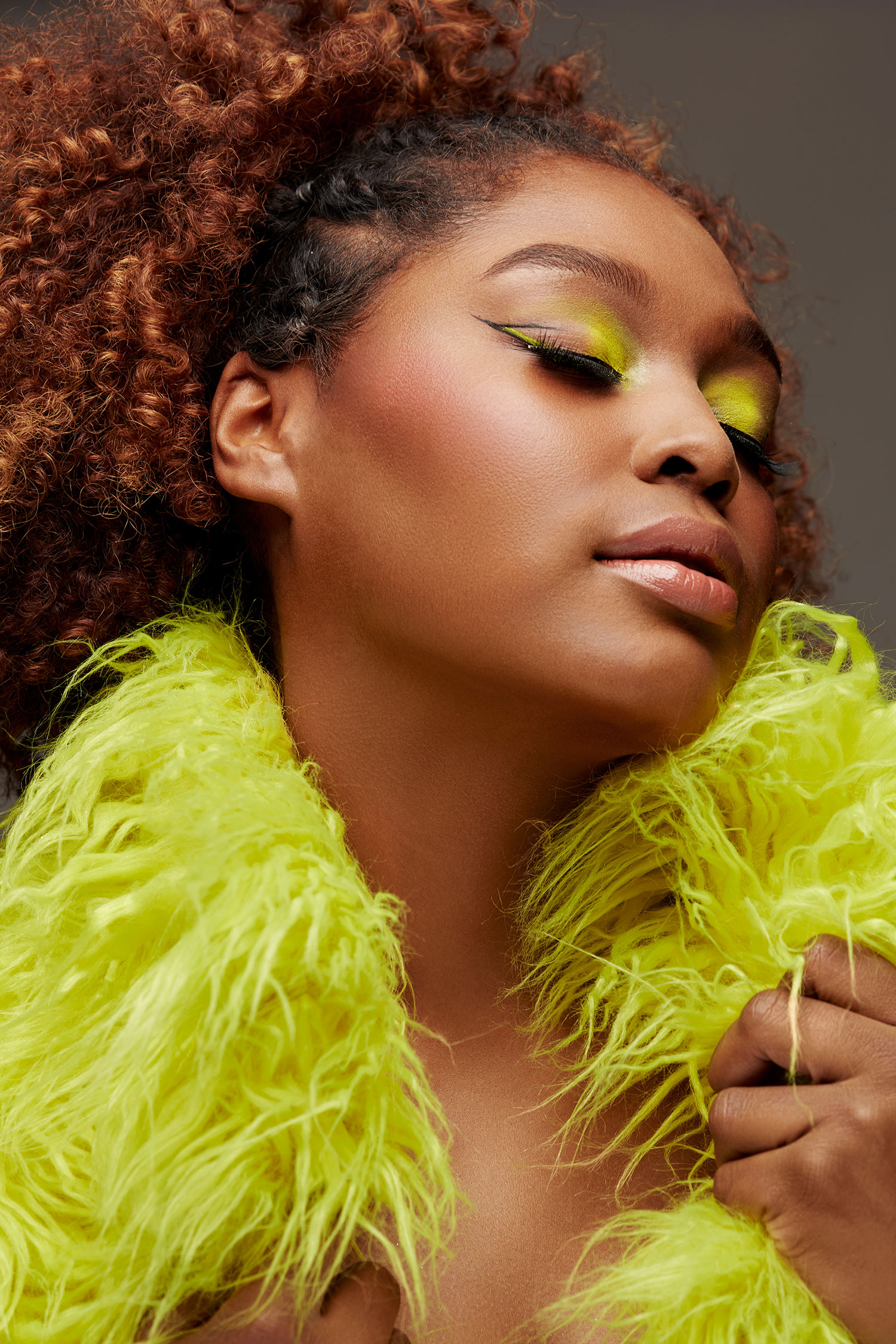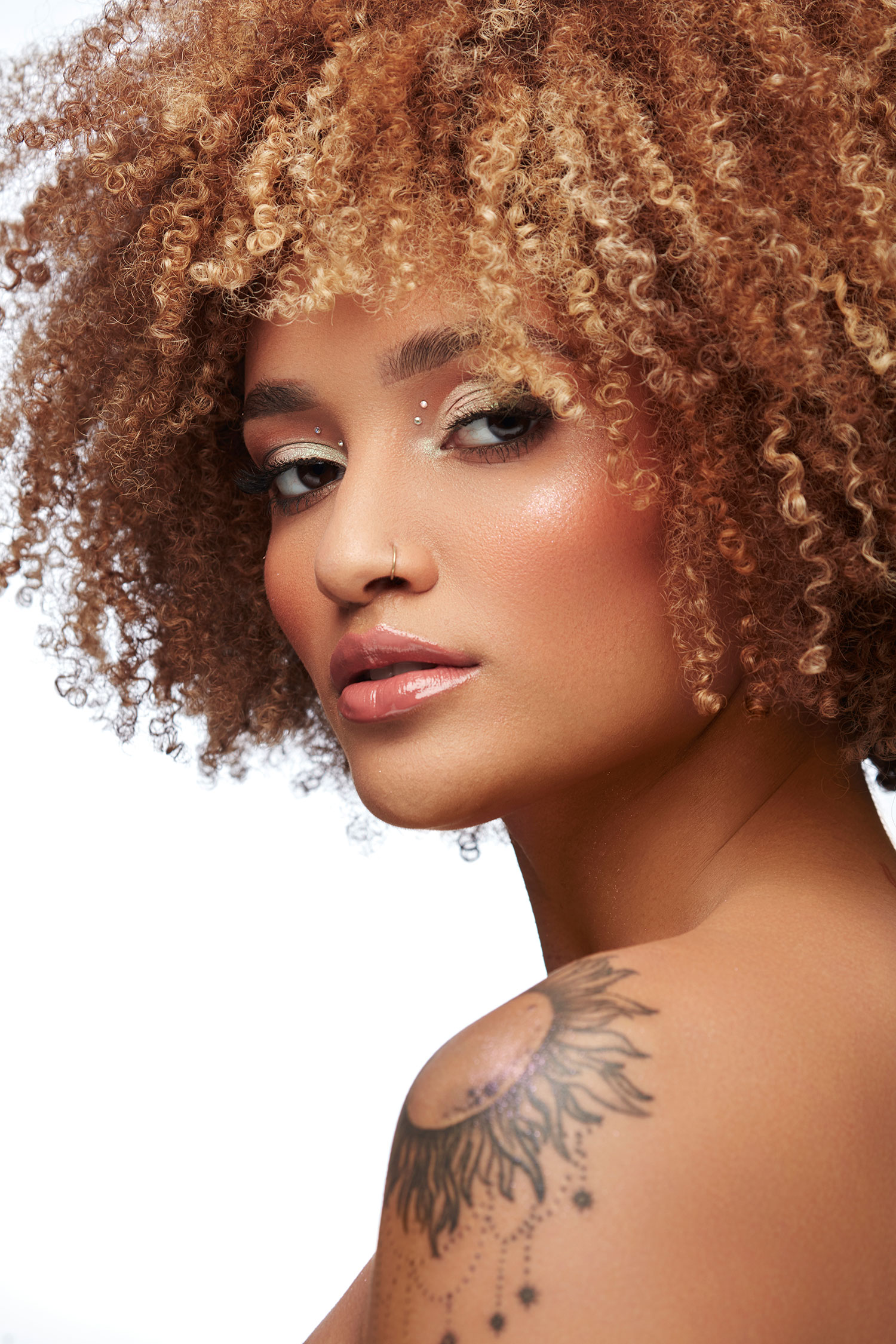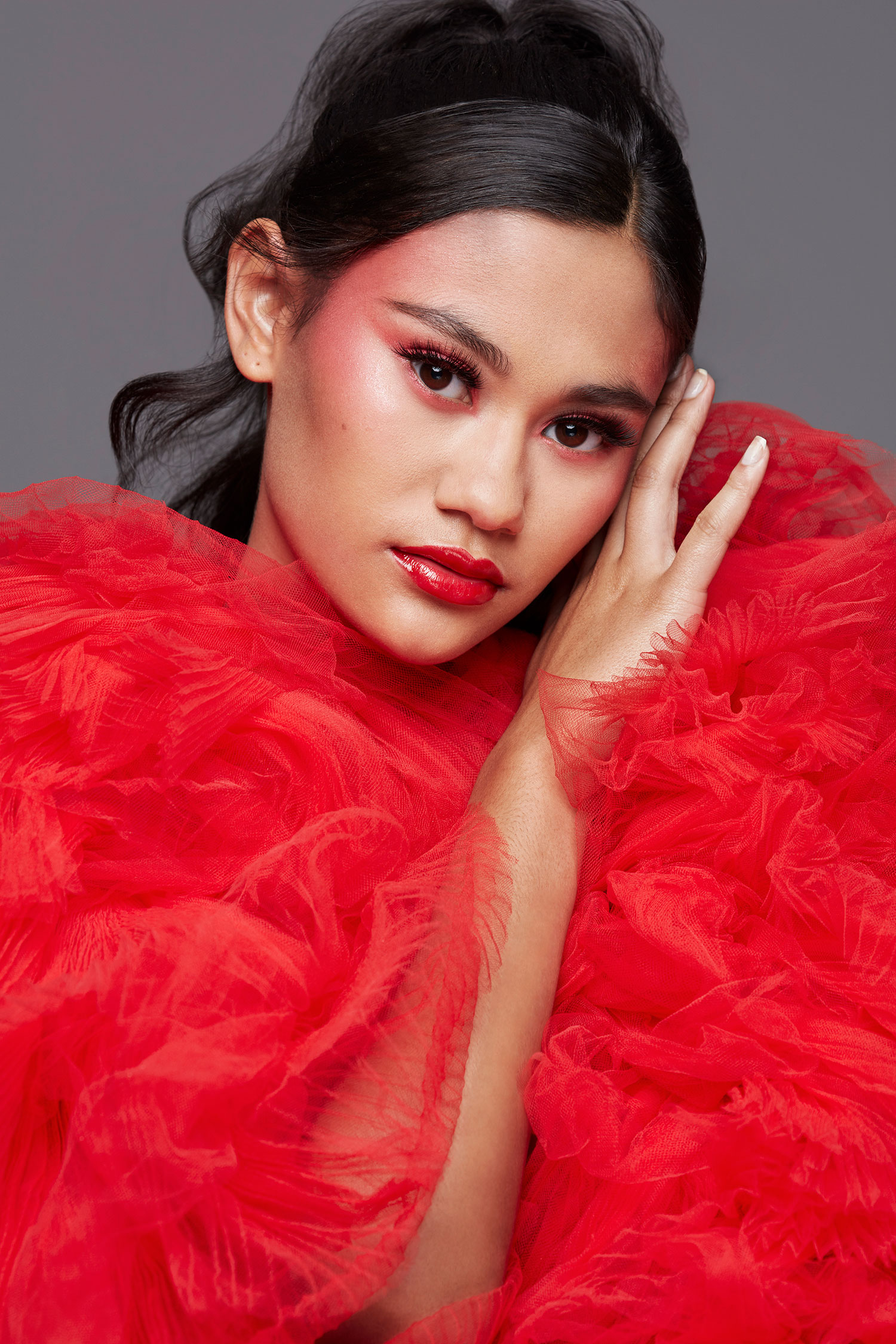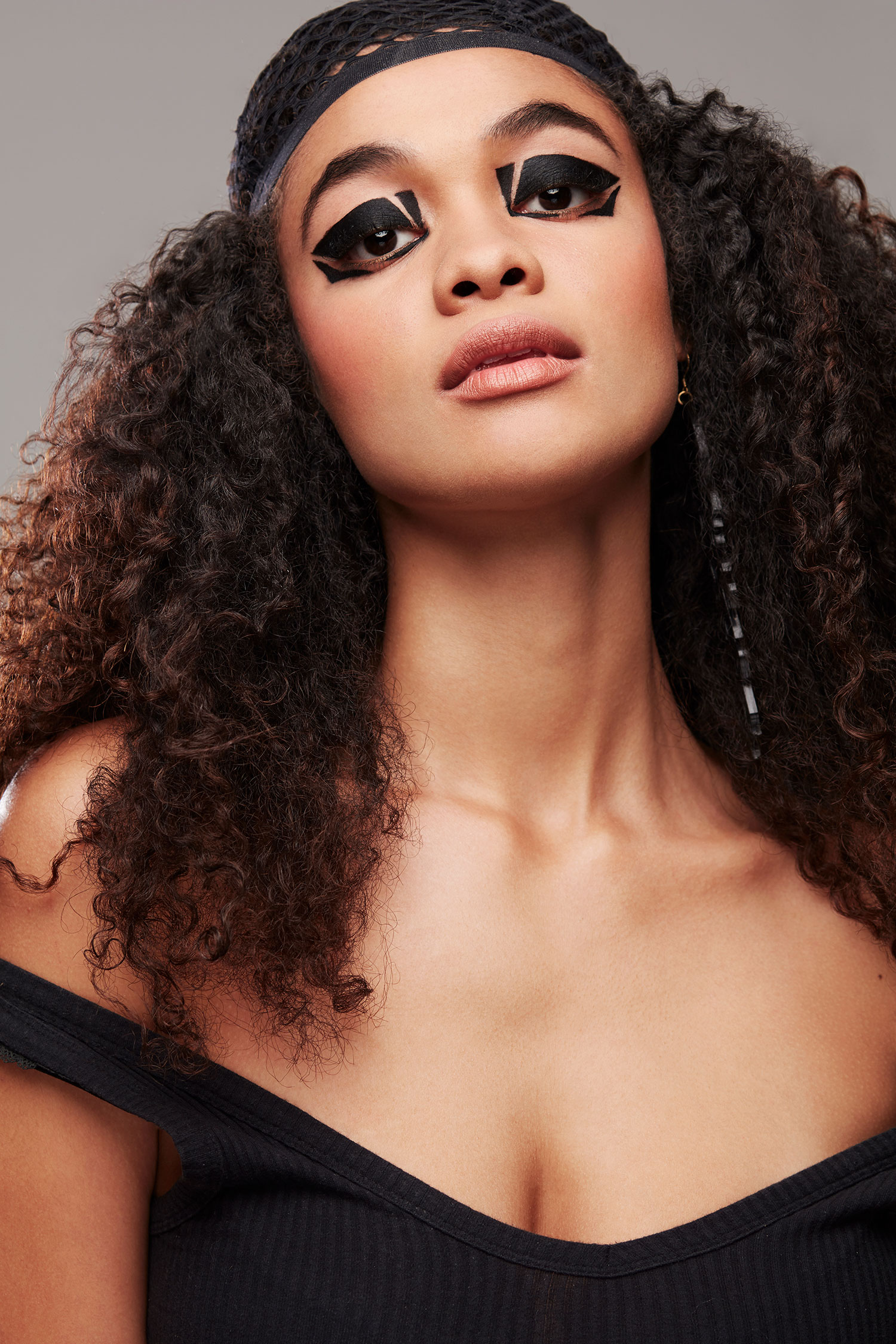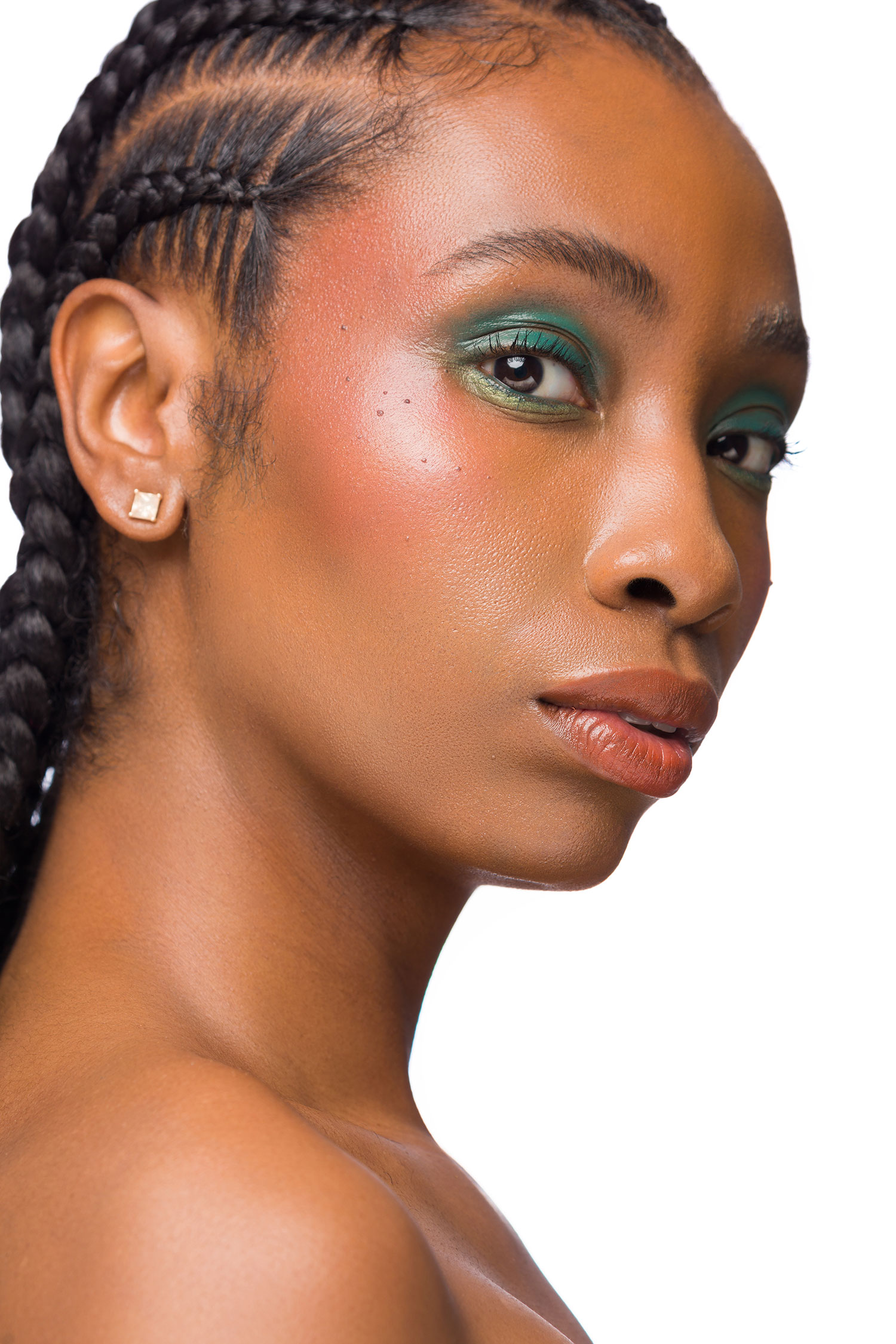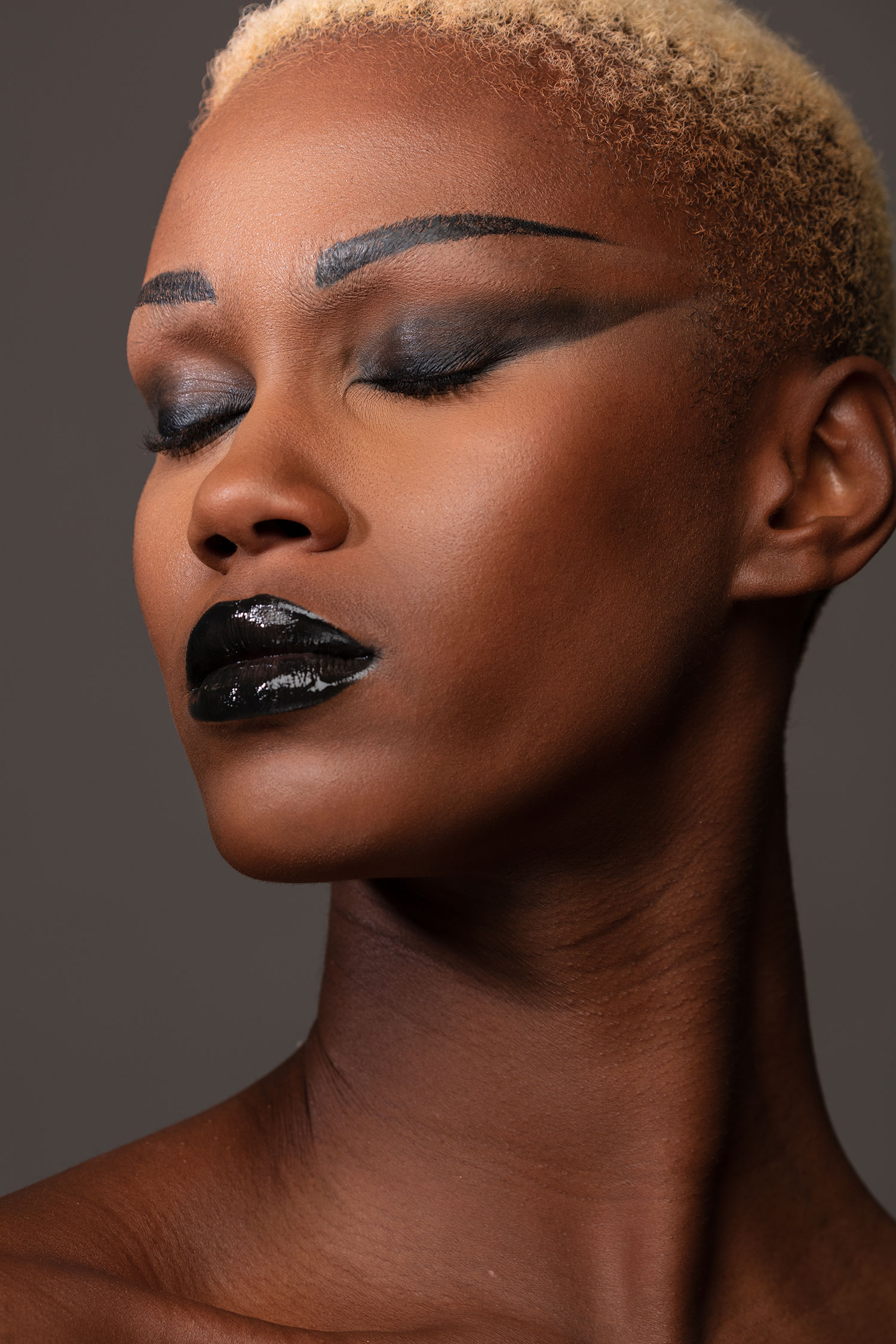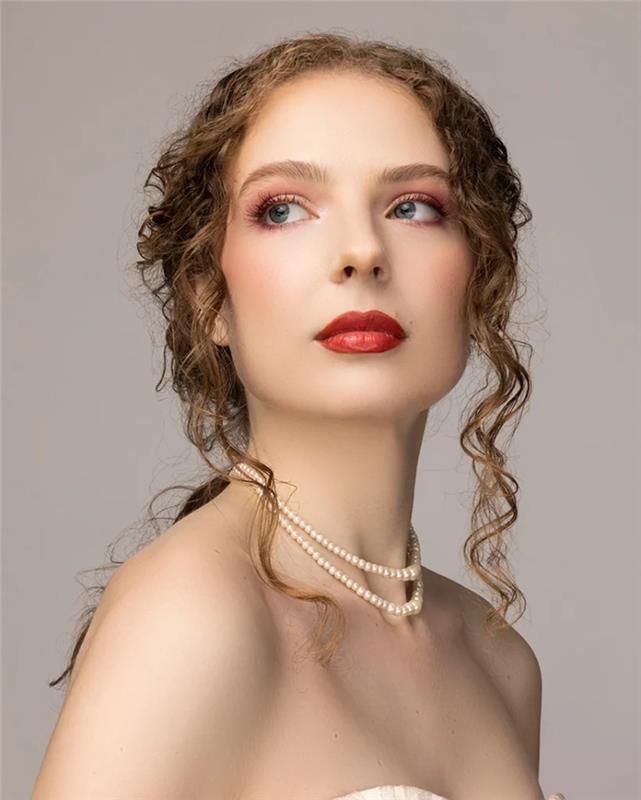
Building a successful career in the beauty industry takes more than talent—it requires visibility, professionalism, and the ability to show your work in the best possible way. For makeup artists, your portfolio is one of the most powerful tools you can have. It’s what turns interest into bookings and helps you stand out in a competitive market.
A strong portfolio is essential for every makeup artist, whether you’re just graduating from a makeup artist school or starting to take on your first bridal clients. It’s visual proof of your skills, creativity, and versatility.
A professional portfolio helps attract clients, agencies, photographers, and even brand opportunities. It communicates your style instantly and builds trust before you ever meet someone in person. That’s why following the best makeup portfolio tips for artists is one of the smartest steps you can take for long-term career growth.
In this guide, you’ll learn exactly what to include in your portfolio, how to photograph your work, and how The MUA NYC can help you create a professional showcase that books real clients.
Why Every Makeup Artist Needs a Professional Portfolio
In today’s beauty industry, clients rarely hire based on a resume alone. They want to see what you can do. A portfolio gives you credibility and helps people feel confident in your work before they even reach out.
Whether you’re building a career in bridal, editorial, special effects, or glam, your portfolio becomes your professional identity. It is one of the first things agencies, photographers, and clients look at when deciding if you’re the right artist for the job.
Portfolio as Your Visual Resume
Your makeup portfolio is essentially your visual resume. It shows your skill level instantly and demonstrates what you specialize in without needing long explanations.
A strong portfolio helps you:
- Showcase your technique and creativity
- Build confidence for potential clients
- Prove you are ready for professional bookings
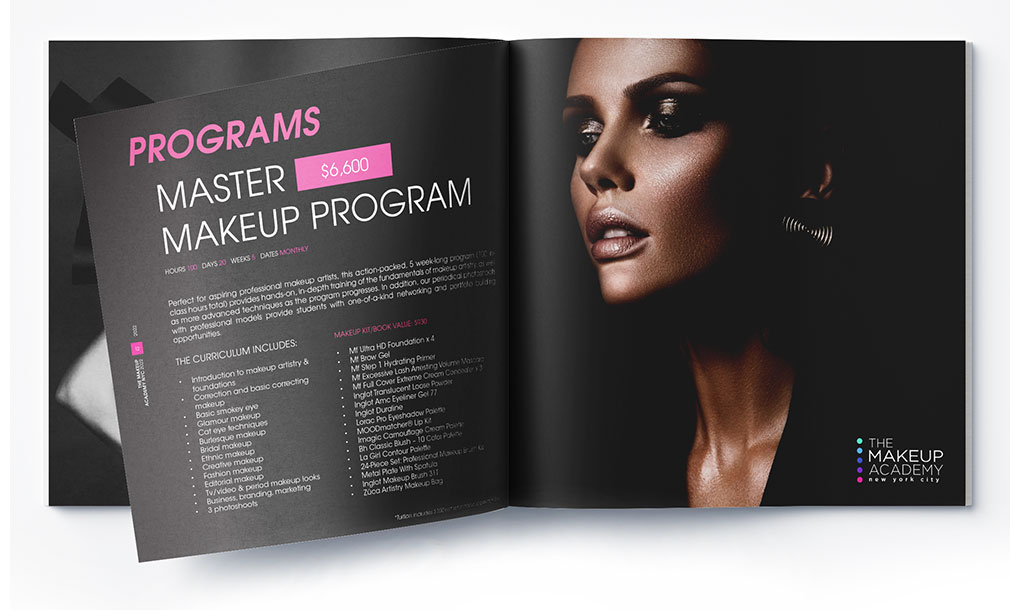
If you’re enrolled in a master makeup artistry program in NYC, your portfolio becomes the bridge between training and paid work. It’s how you show the world what you’ve learned.
Standing Out in Competitive Markets Like NYC
New York City is one of the most competitive beauty markets in the world. There is constant demand for talented artists, but also high expectations. Becoming a recognized portfolio makeup artist in NYC requires more than good makeup; it requires professional presentation.
In such a busy industry, clients want polished work, consistent branding, and a portfolio that looks like it belongs in fashion, film, or bridal magazines. That’s why investing in expert education through makeup classes in NYC can help artists develop both skills and professional career materials.
What to Include in a Winning Makeup Portfolio
A winning makeup portfolio isn’t about including every look you’ve ever done. It’s carefully selecting work that represents your strengths, style, and versatility.
Before you start building your portfolio, think of it as a curated gallery. Each image should serve a purpose and show potential clients that you can deliver professional results in different settings.
Showcase a Variety of Makeup Styles
Clients want to know that you can adapt to different needs and aesthetics. Including a range of styles demonstrates versatility and makes you more bookable.
Make sure your portfolio includes:
- Bridal makeup looks for weddings
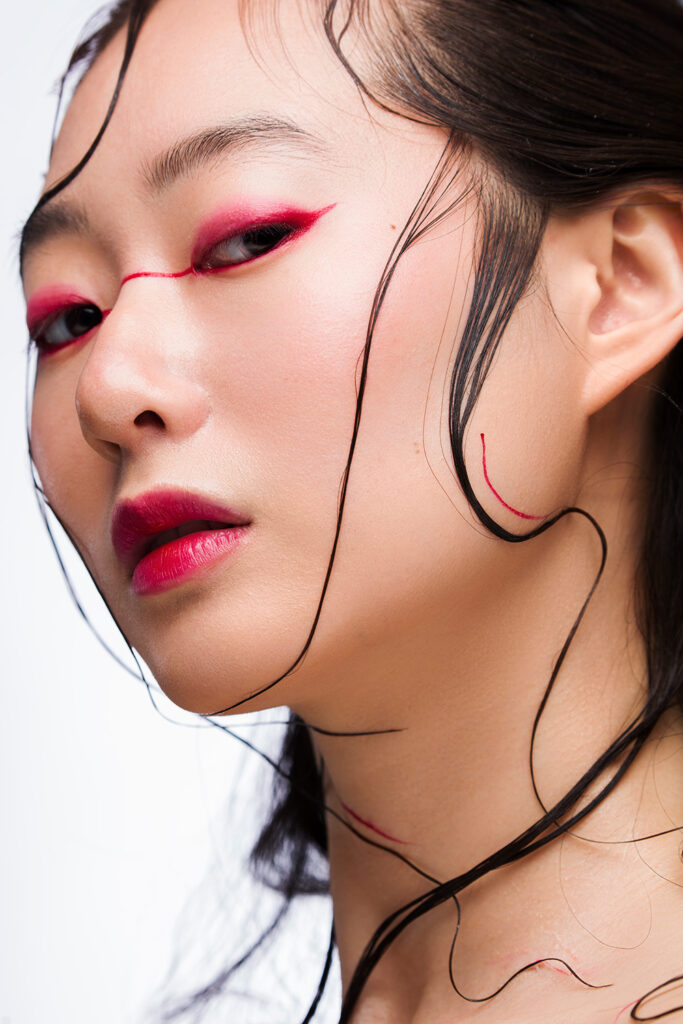
- Editorial and high-fashion makeup
- Glam and red-carpet styles
- Natural beauty and everyday makeup
If you’re taking a bridal makeup program NYC or a professional bridal makeup course, these styles are essential for attracting wedding clients.
Artists who train at a master makeup academy often build portfolios that cover multiple industries, from beauty to film.
Highlight Your Best Work Only
When it comes to portfolios, quality always matters more than quantity. A smaller portfolio with strong images is far more impressive than dozens of inconsistent looks.
Focus on:
- Your cleanest, most polished makeup
- Consistent lighting and photo quality
- A clear personal style or signature aesthetic
Think of your portfolio as a professional showcase, not a social album. The goal is to look hire ready.
Add Behind-the-Scenes or Process Shots
Behind-the-scenes content adds authenticity and builds trust. It shows clients that your work is real and that you understand professional set etiquette.
These images are also excellent for building a social media portfolio, especially on Instagram and TikTok.
Include:
- Photos of you working on set
- Short process clips or transformation shots
- Clean workstation and professional tools
Students enrolled in private makeup classes NYC often benefit from guided portfolio shoots that include both final images and behind-the-scenes content.
Photography Makeup Tips to Make Your Work Stand Out
Even the best makeup won’t attract clients if it isn’t photographed properly. Makeup is an art form, and photography is what captures it for your portfolio.
High-quality visuals are essential because your work will mostly be viewed online. Great photography helps clients see detail, texture, and professionalism.
Work With Professional Photographers
Collaborating with photographers is one of the fastest ways to elevate your portfolio. Professional photographers understand lighting, angles, and editorial composition.
Working with a photographer improves:
- Portfolio impact and professionalism
- Image clarity and skin tone accuracy
- Overall presentation for agencies and brands
Many students in sfx makeup artist courses also collaborate with photographers to capture dramatic effects and cinematic looks.
Simple Photography Rules for Makeup Artists
You don’t always need a studio to get strong images, but you do need to follow basic photography rules.
Key tips include:
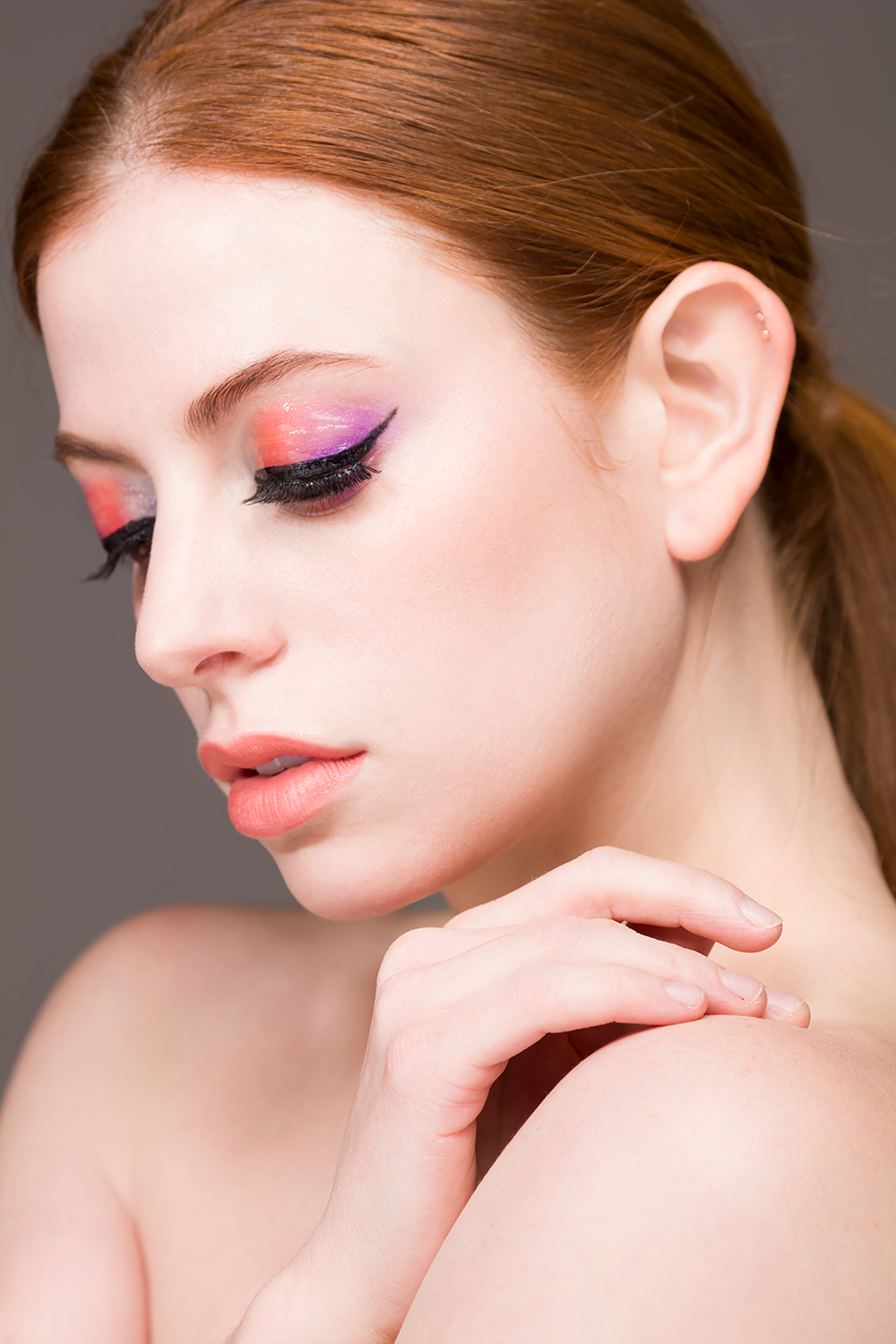
- Use close-up shots to highlight blending and detail
- Capture full-face images for symmetry
- Compare natural lighting vs studio lighting for different moods
If you’re attending a special effects makeup school in NYC, lighting becomes even more important because texture and prosthetics must show clearly.
Editing Without Over-Filtering
Editing should be enhanced, not distorted. Over-filtering can make makeup look unrealistic and can disappoint clients when results don’t match photos.
Best practices:
- Keep colors accurate
- Avoid smoothing skin too much
- Maintain realism and true texture
Professional makeup portfolios should look clean, polished, and honest.
Building a Social Media Portfolio That Attracts Clients
In today’s beauty world, social media is often the first-place clients discover makeup artists. Instagram has become the new portfolio book, and TikTok has become a marketing engine. A strong digital presence helps you build credibility, attract clients, and show consistency.
Best Platforms for Makeup Artists
Different platforms serve different purposes, and successful artists often use more than one.
Top platforms include:
- Instagram for portfolio images
- TikTok for transformation videos
- A personal website for professional bookings
Digital portfolios matter because clients want instant access to your work.
Artists trained in a personal makeup program NYC often learn how to present their work online professionally.
Consistent Branding and Posting Strategy
Consistency builds recognition. When clients view your page, they should immediately understand your style and professionalism.
Branding tips:
- Use a unified aesthetic
- Post regularly with clean visuals
- Use hashtags and NYC location tags
For artists wanting to become known as an sfx makeup artist in NYC, niche hashtags and strong branding are especially important.
Turning Followers into Paying Clients
Followers are great, but bookings are better. Your portfolio should make it easy for clients to hire you.
Include:
- Clear booking links
- Client testimonials and highlights
- Professional contact information
Social media works best when combined with real training, like private makeup lessons in NYC, where you gain both skills and business confidence.
Beauty Portfolio Advice for Students and New MUAs
Starting out can feel overwhelming, especially when you’re still learning and building experience. The good news is that every professional artist started somewhere.
With the right guidance, students and beginners can build strong portfolios quickly and confidently.
Start With Practice Models and Small Shoots
You don’t need celebrity clients to start building your book. Practice models and small creative shoots are affordable ways to grow.
Benefits include:
- Hands-on experience
- Networking opportunities
- Content for your portfolio
Students in makeup artist school programs often begin with these types of portfolio-building sessions.
Keep Updating Your Portfolio Regularly
Your portfolio should evolve as your skills improve. Regular updates show growth and professionalism.
Make it a habit to:
- Add new work consistently
- Remove outdated images
- Focus on your current skill level
Artists in a master makeup artistry program NYC often graduate with a polished, updated portfolio ready for industry work.
Learn From Industry Experts Like the MUA NYC
Professional mentorship can make a huge difference. The MUA NYC provides expert support for artists in building real careers.
With guidance, you can:
- Improve technique
- Build portfolio-ready looks
- Gain confidence in client presentation
From bridal to SFX, training programs at The MUA NYC are designed to help artists succeed.
Presenting Your Portfolio Like a Professional Showcase
Your portfolio isn’t just about makeup it’s about presentation. How you organize and display your work affects how clients perceive your professionalism. A well-presented portfolio feels like a brand, not just a collection of photos.
Online Portfolio vs Printed Portfolio
Both formats are useful depending on your career path.
Online portfolios work best for:
- Social media marketing
- Client discovery
- Quick sharing
Printed portfolios are helpful for:
- Interviews
- Professional meetings
- Agency presentations
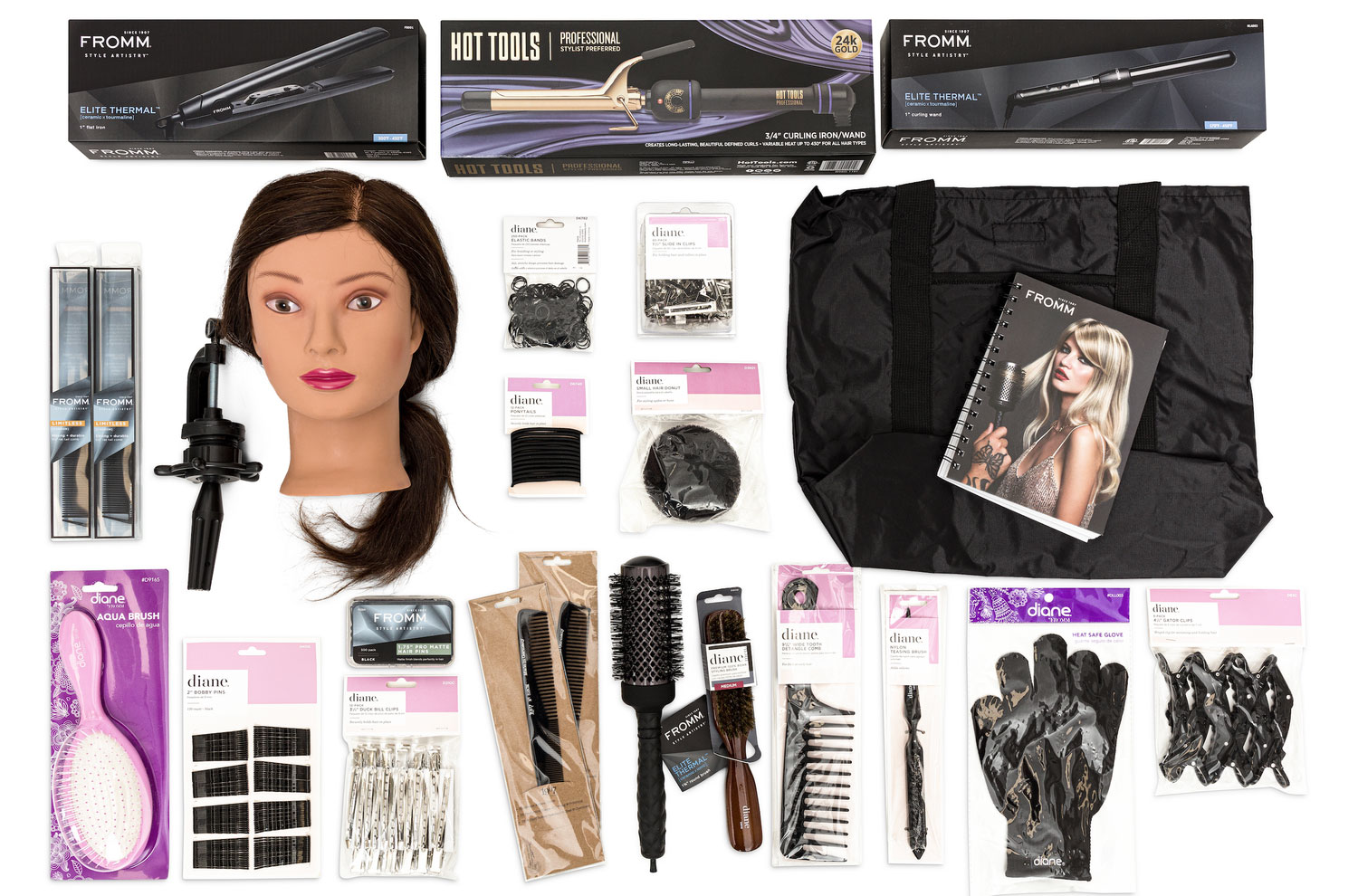
Artists studying hairstyling program NYC skills often include both makeup and hair work in printed books for full-service showcasing.
Organizing Work for Maximum Impact
Portfolio organization matters. Your first impression should be strong.
Tips:
- Group images by category (bridal, glam, editorial, SFX)
- Start with your strongest look
- End with a memorable final image
A clean flow keeps clients engaged.
Adding Contact and Booking Information
Never make clients search for how to hire you.
Always include:
- Email and booking link
- Social media handles
- Professional bio and services
This turns your portfolio into a true business tool.
Conclusion
Building a winning makeup portfolio is one of the most important steps in launching a successful beauty career. With the right mix of styles, strong photography, consistent branding, and professional presentation, you can attract clients and stand out in competitive markets like NYC. If you’re ready to take your portfolio to the next level, Contact Us today at The MUA NYC to learn more about our professional makeup training programs and portfolio-building support.
FAQ
Most artists start with 10–20 high-quality images showing different styles.
Yes. Practice models, small shoots, and guidance from makeup classes NYC can help beginners build quickly.
Social media is highly recommended, especially Instagram, as it helps attract clients and showcase work instantly.
The MUA NYC offers master makeup artistry, bridal, SFX, and private makeup lessons designed for professional portfolio building.
If you offer hair services, including work from hairstyling program, NYC training can make you more bookable.