Choosing a makeup school NYC students can rely on is about more than finding a course that teaches basic makeup application. New York offers many opportunities for aspiring makeup artists, but programs can differ considerably in curriculum, teaching style, practical experience, and career preparation.
Students should first identify what they want from their education. Some may want to pursue professional makeup artistry, while others may be interested in bridal, fashion, editorial, beauty, or special effects makeup. Understanding these goals makes it easier to compare programs and avoid choosing a course that does not match their plans.
For students interested in a specialized career path, a special effects makeup school nyc program may be more suitable than a general beauty-focused course. The key is to evaluate each program based on what it teaches and how effectively it prepares students for their intended direction.
What Makes a Good Makeup Academy NYC?
A strong makeup academy NYC program should provide a combination of technical education and practical experience. Students need opportunities to understand professional products, tools, application methods, hygiene, and client expectations.
The learning environment also matters. Instructor feedback can help students identify mistakes and improve techniques faster than practicing without professional guidance.
When comparing a makeup artist school, students should look at the complete educational experience rather than choosing solely based on the program’s name or length.
Review the Curriculum Before Enrolling
Start by examining the curriculum in detail. A professional makeup program should have a clear progression from foundational skills to more advanced applications.
Look for training that covers complexion preparation, foundation matching, color theory, eye makeup, contouring, highlighting, lashes, and other techniques relevant to your career interests.
Students should also determine whether the curriculum includes different makeup styles. Learning how to create natural beauty looks alone may not be enough for someone planning to work in bridal, editorial, fashion, or entertainment.
Check Whether the Program Matches Your Career Goals
A student’s ideal curriculum depends on the type of work they want to pursue. Someone interested in client services may prioritize beauty and event makeup, while another student may want fashion or production experience.
Consider whether the school provides enough exposure to the areas you want to explore. A broad curriculum can help students discover their strengths before choosing a particular specialization.
Compare Instructors at a New York Makeup Academy
Instructors have a direct influence on the learning experience. Experienced educators can demonstrate techniques, explain why certain methods work, and provide corrections when students practice.
Students researching a New York makeup academy should investigate who teaches the program and what type of professional experience those instructors bring to the classroom.
Look at Professional and Teaching Experience
Industry experience can be valuable, but teaching ability matters too. An instructor may have an impressive professional background yet provide limited guidance in a classroom setting.
Look for instructors who can break techniques into understandable steps and provide useful feedback during practical sessions. Reviews, school information, student work, and program materials can help you assess the teaching environment.
Consider Class Size and Individual Feedback
Class size can affect how much attention each student receives. Smaller groups may provide more opportunities for instructors to observe applications and offer corrections.
Ask whether students receive direct feedback during practical exercises. Personal guidance can be particularly useful when learning detailed techniques such as complexion matching, blending, eyeliner, and corrective makeup.
Evaluate Practical Training and Hands-On Experience
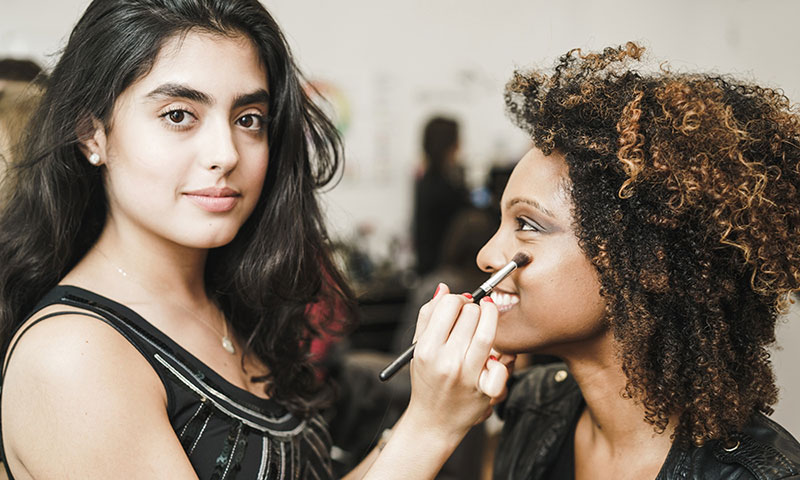
Makeup is a practical profession, so classroom demonstrations should be supported by hands-on work. Students need time to apply techniques rather than simply watch an instructor perform them.
A good makeup school NYC program should provide structured opportunities to practice on different faces and develop confidence working with real people. Practical training also helps students understand how techniques change according to facial structure, skin type, personal preferences, and the occasion.
Practice Different Makeup Techniques
Hands-on sessions should expose students to a variety of applications. This can include natural makeup, evening looks, bridal styles, beauty makeup, editorial applications, and other techniques included in the curriculum.
Repeated practice helps students improve precision and consistency. It also makes it easier to identify which techniques require additional work.
Learn Professional Hygiene and Workstation Setup
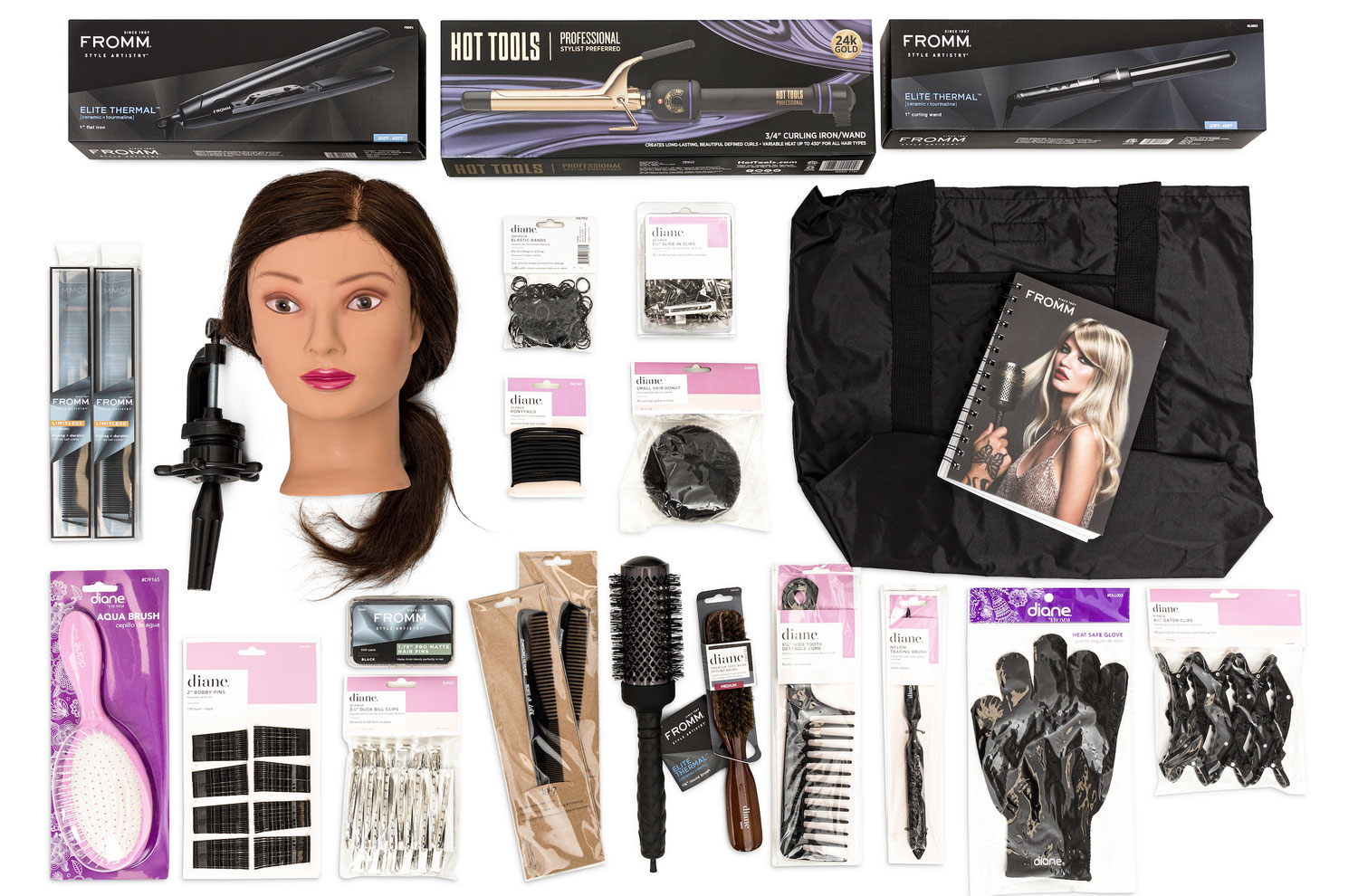
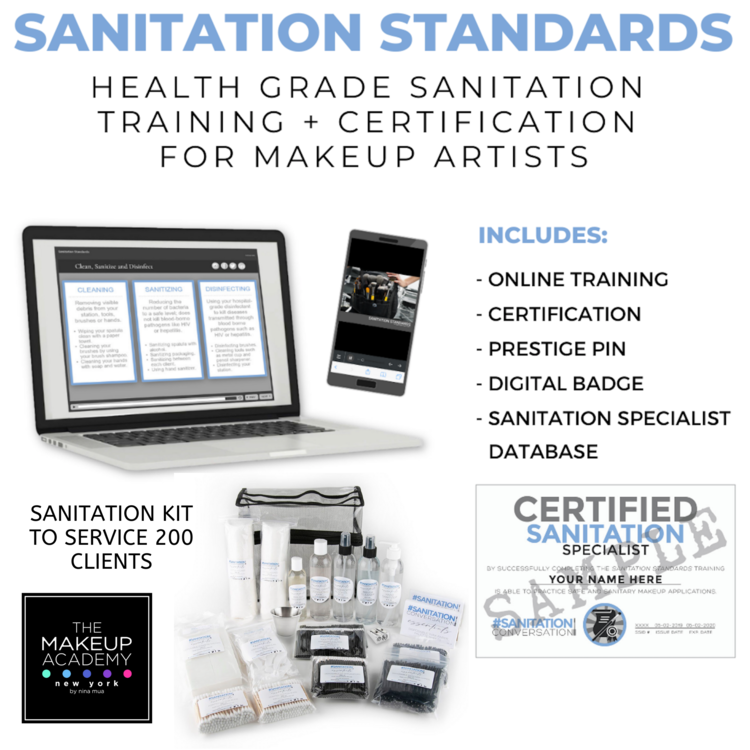
Professional makeup artists must maintain clean tools and organized workstations. Students should learn appropriate sanitation practices, product handling, brush cleaning, and the responsible use of disposable applicators.
These habits are part of professional preparation and can influence the client’s overall experience.
Look for Portfolio-Building Opportunities
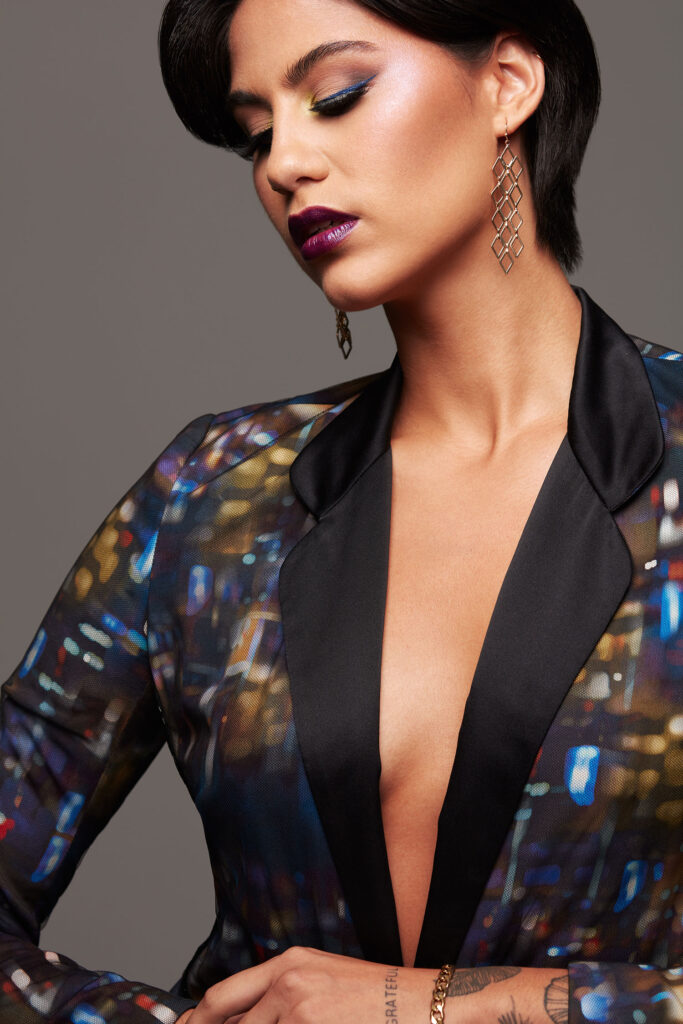
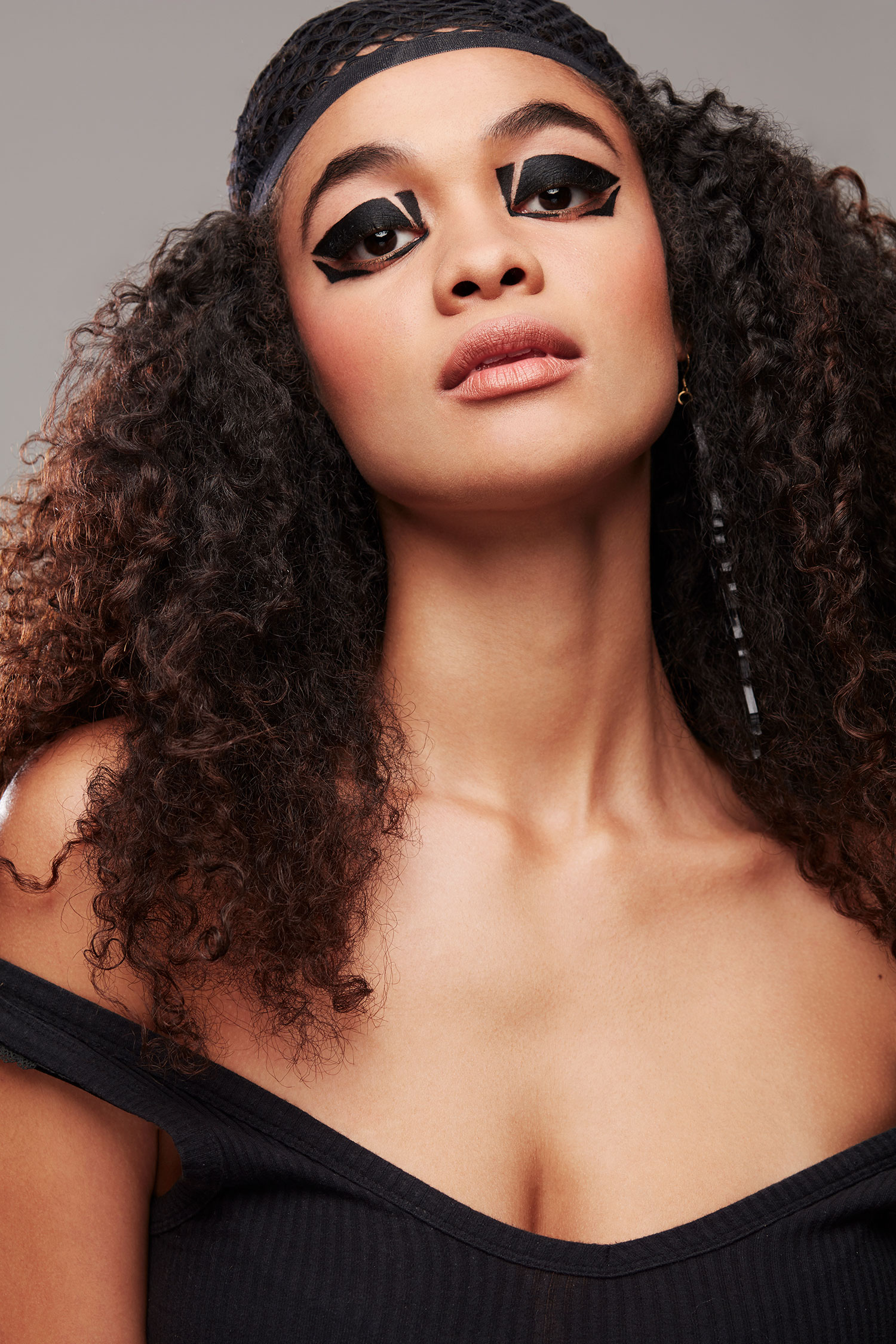
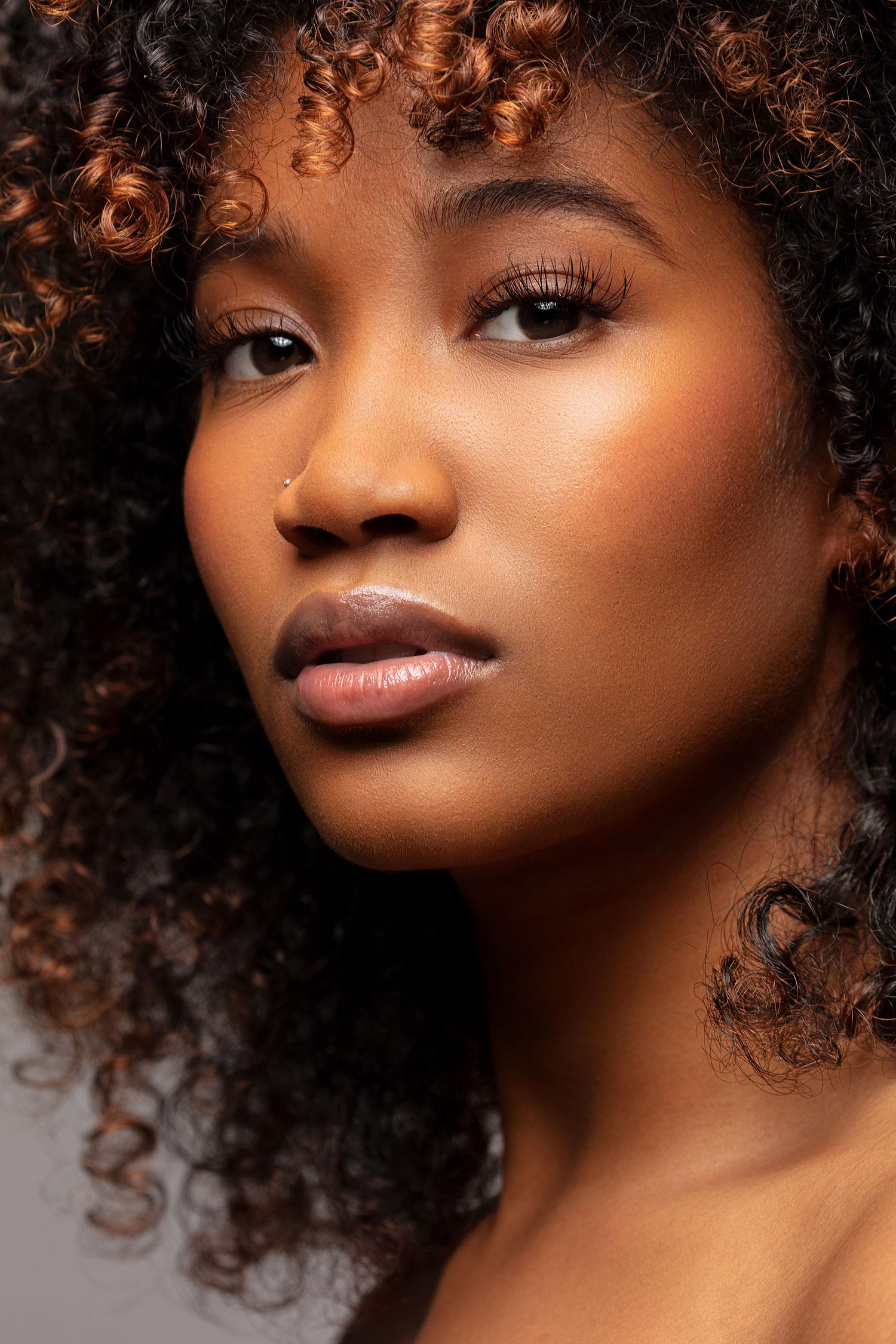
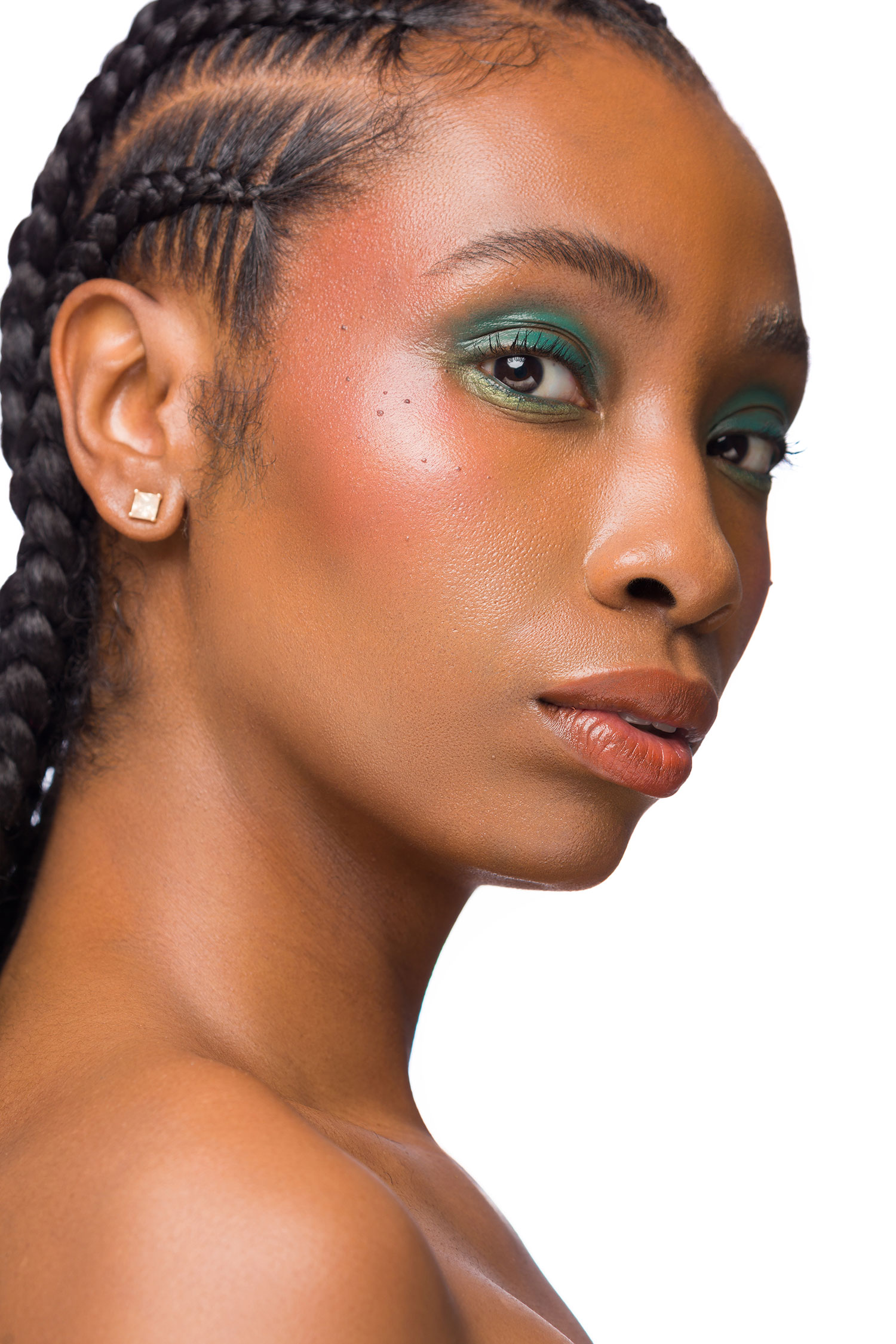
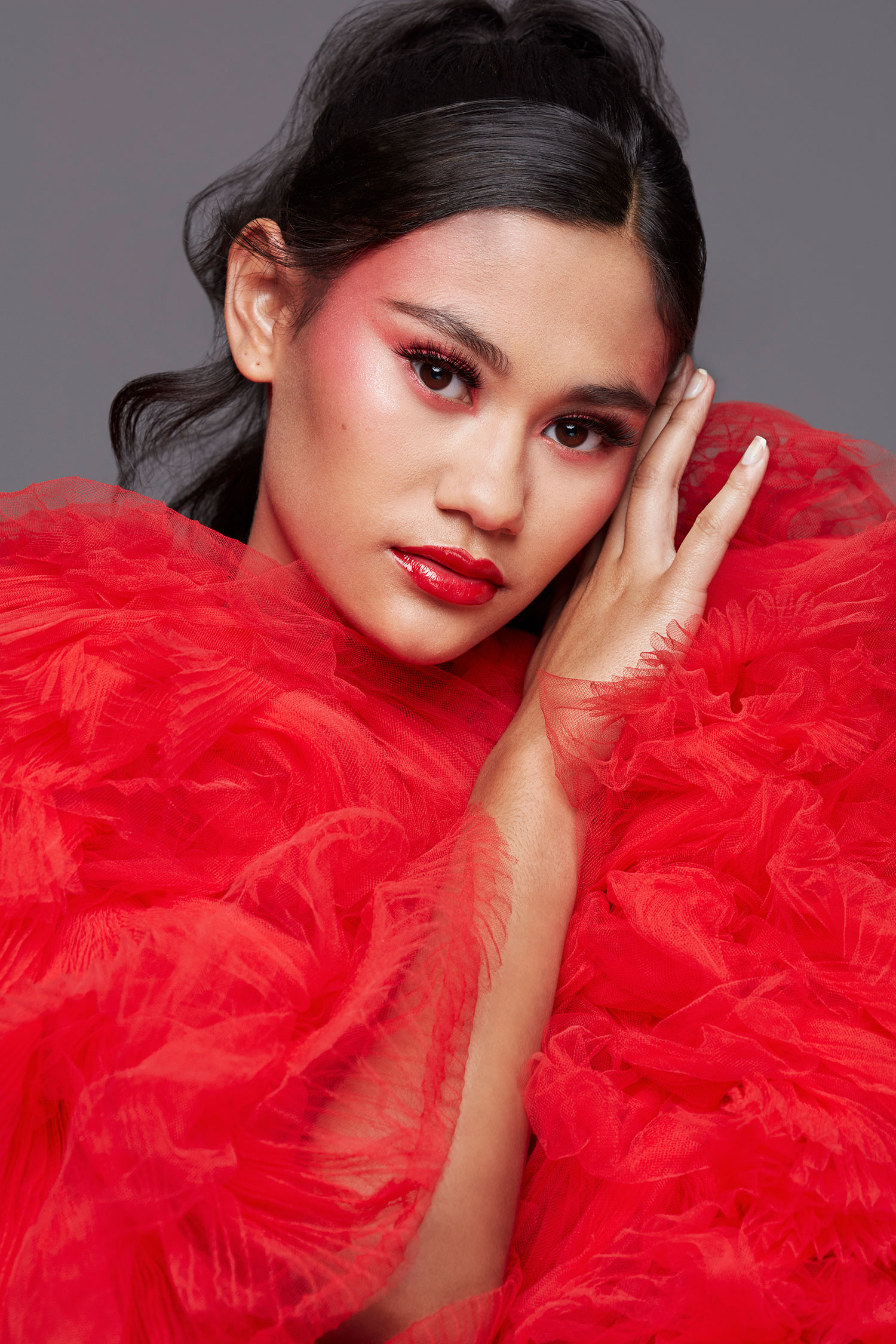
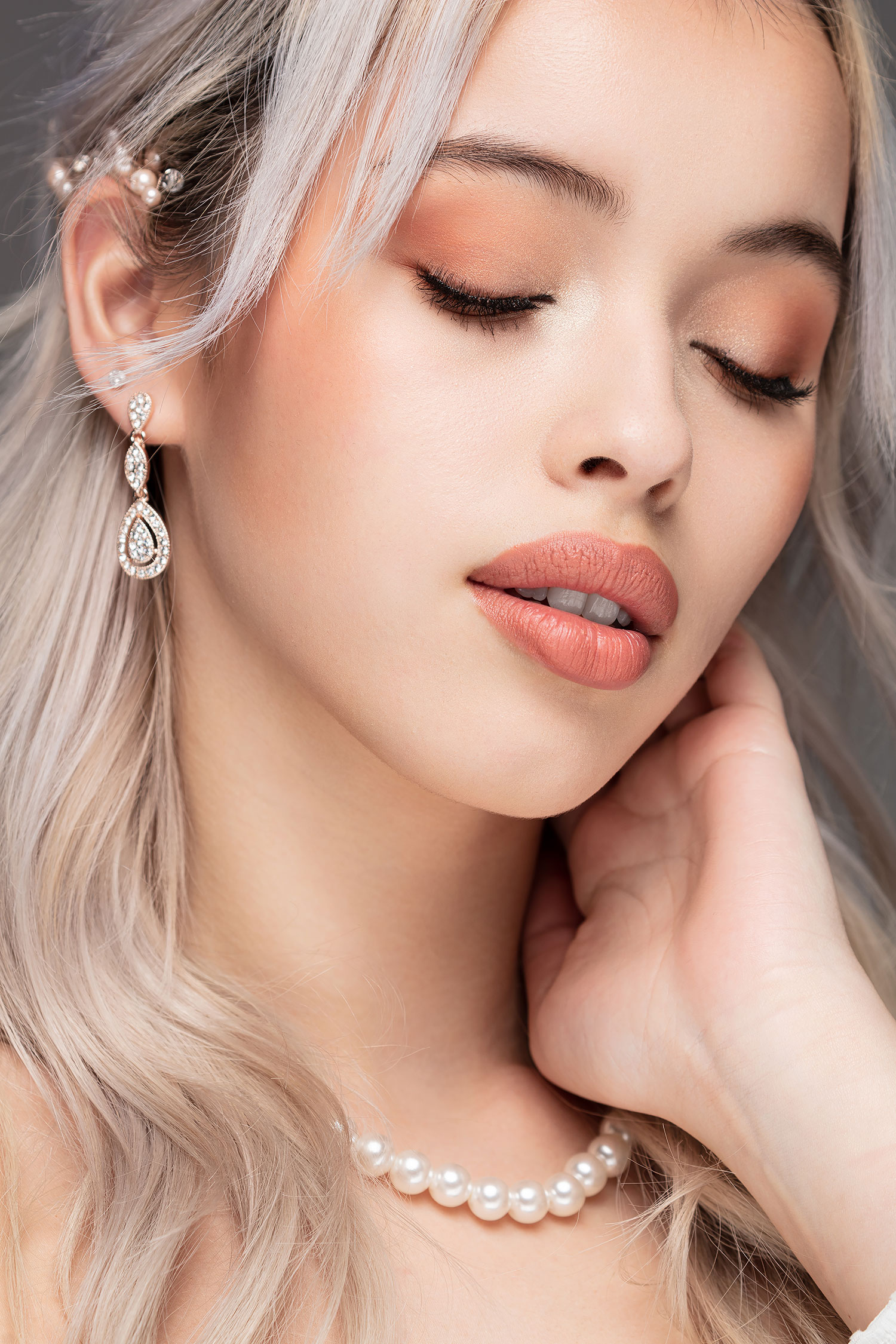
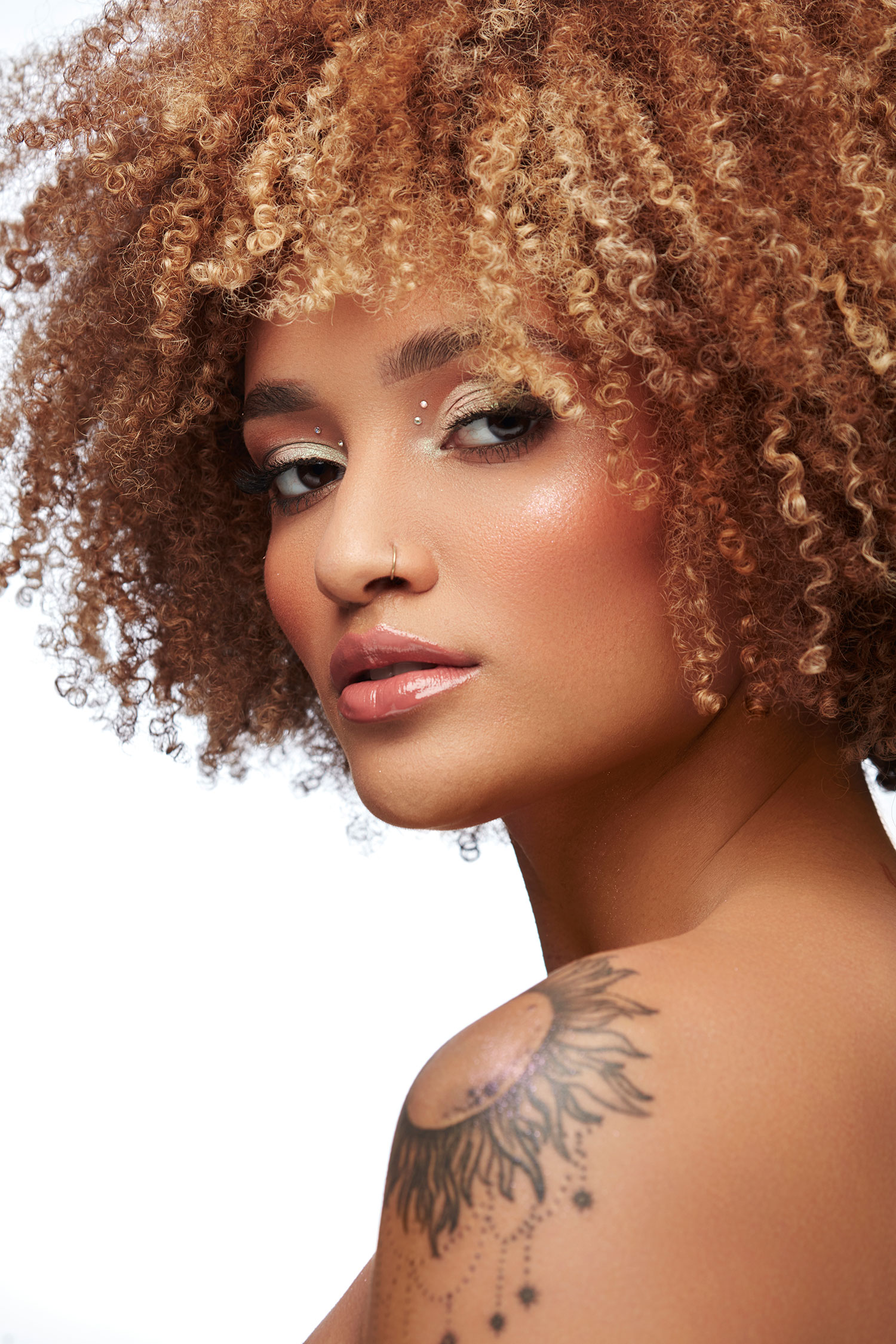
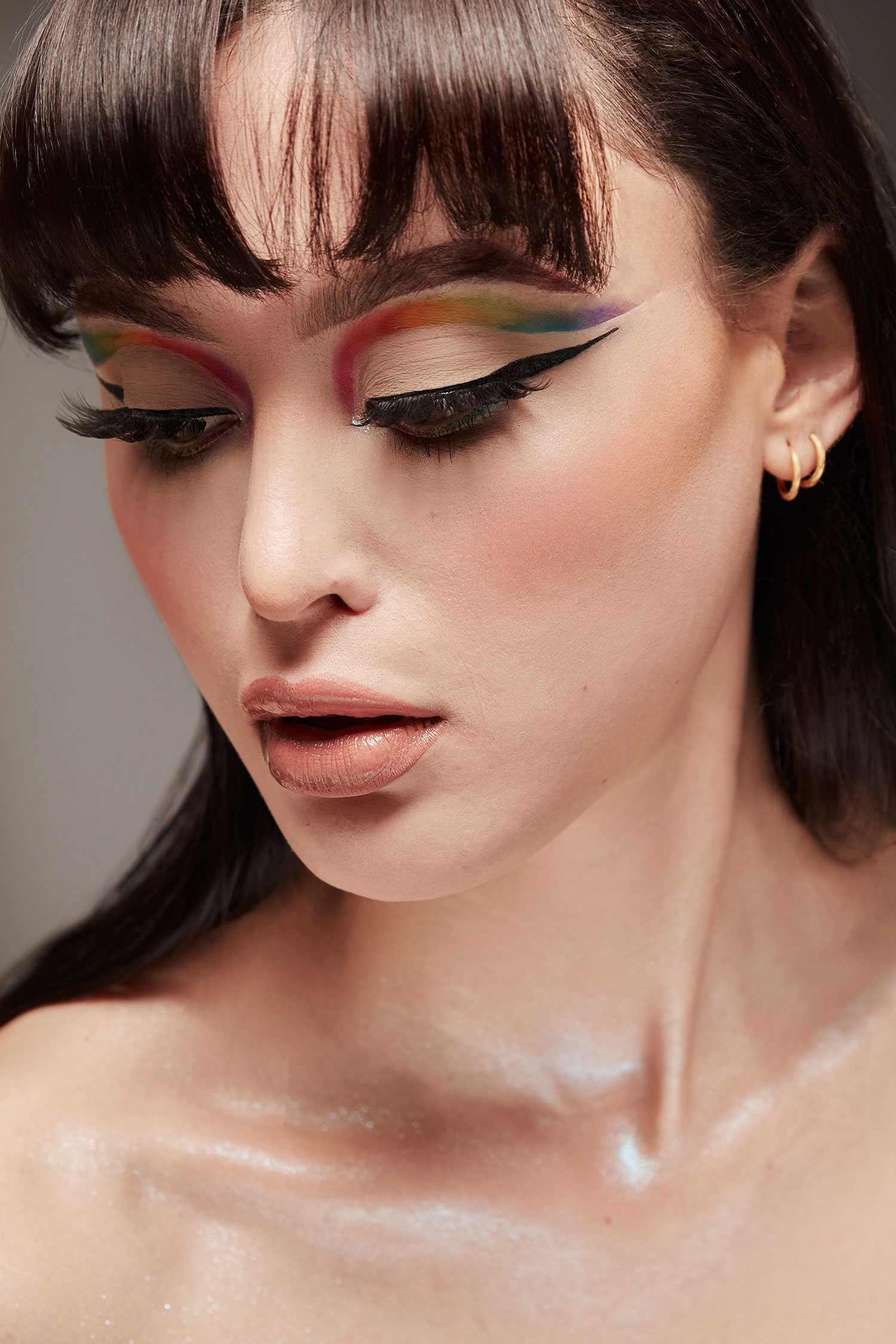
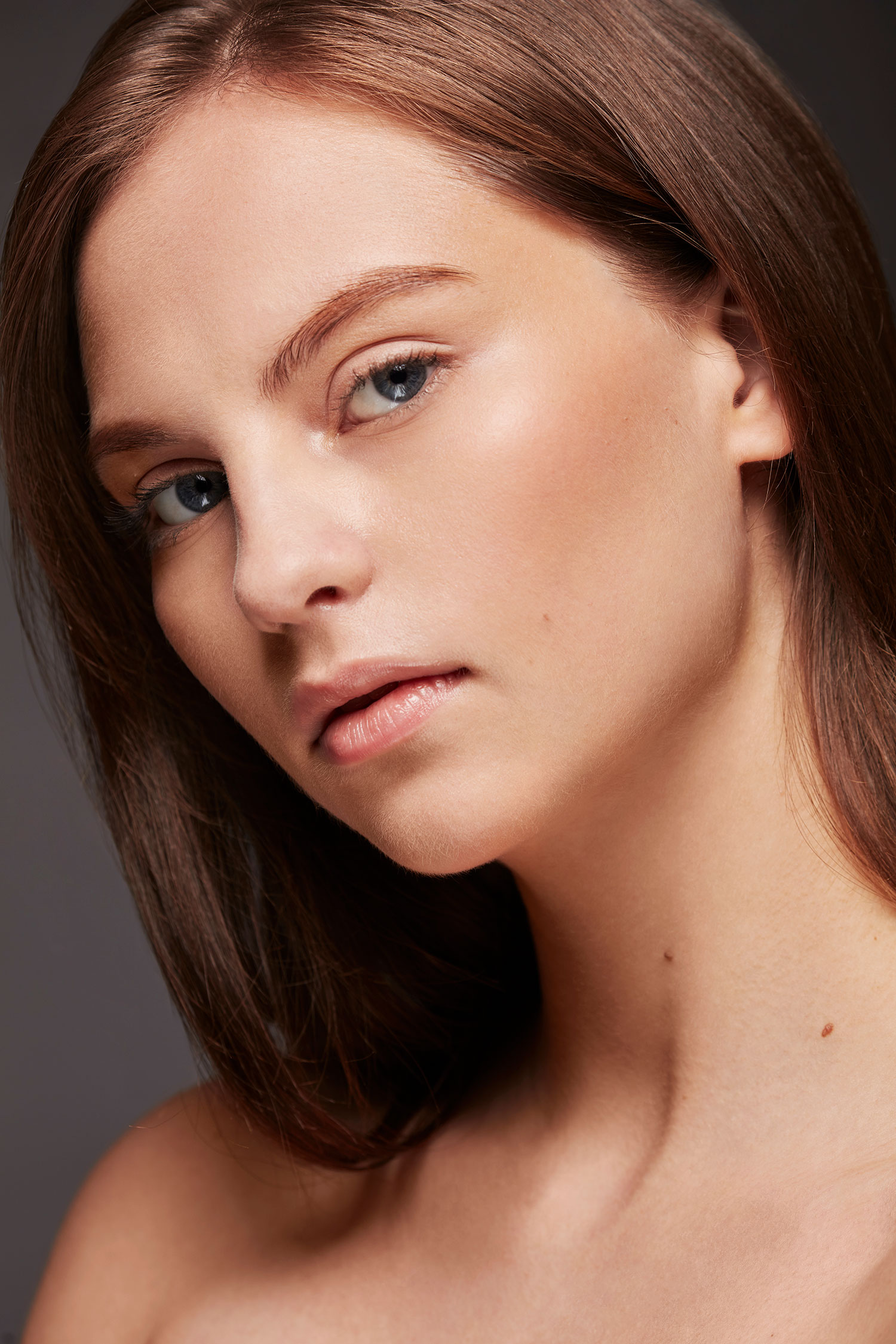
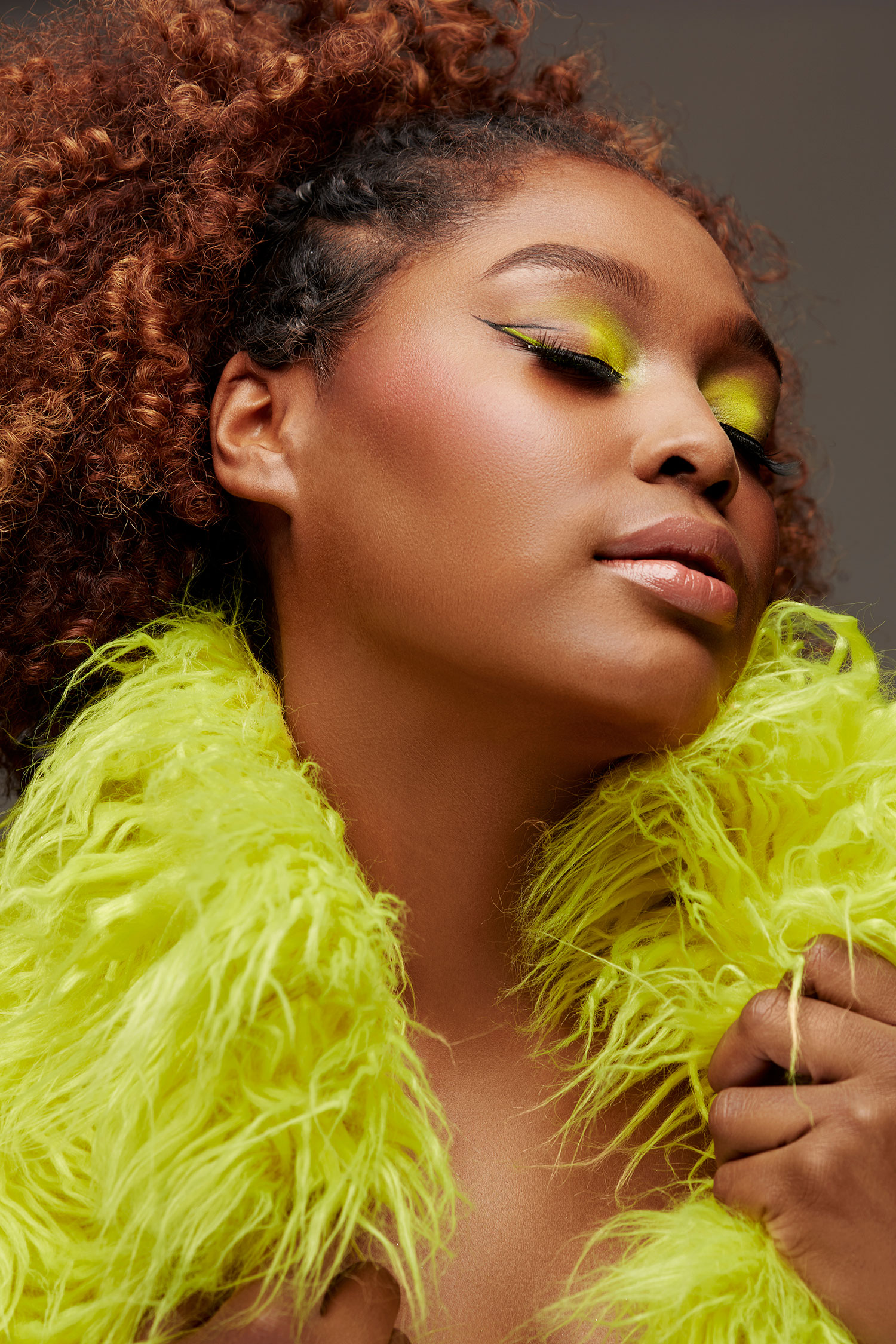
A portfolio is one of the most useful tools for an aspiring makeup artist. It gives potential clients, employers, photographers, and creative teams a visual understanding of an artist’s abilities.
When comparing makeup classes NYC, find out whether students have opportunities to create portfolio-quality work during the program. A school that supports portfolio development can make it easier to transition from classroom training into professional opportunities.
Create a Variety of Portfolio Looks
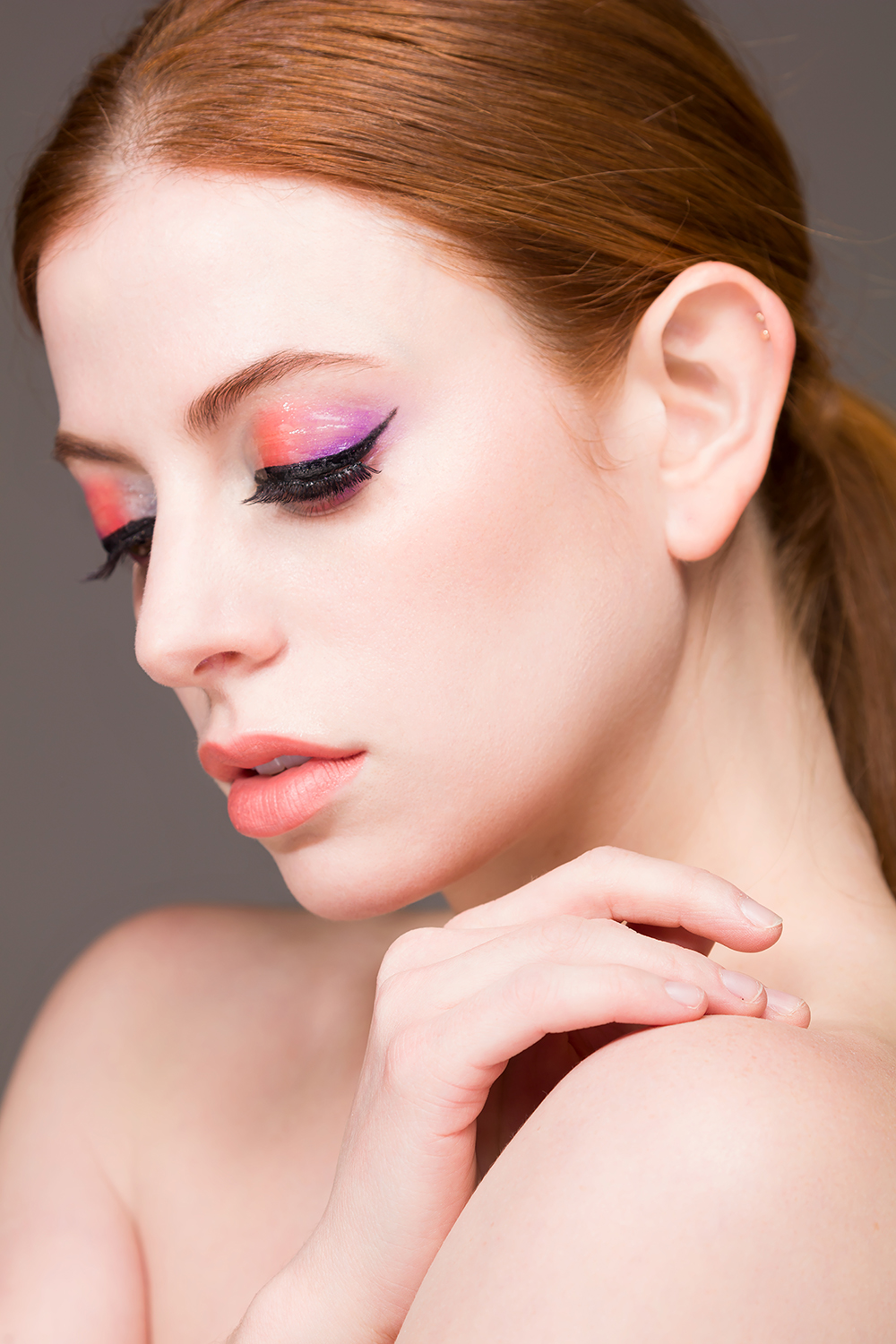
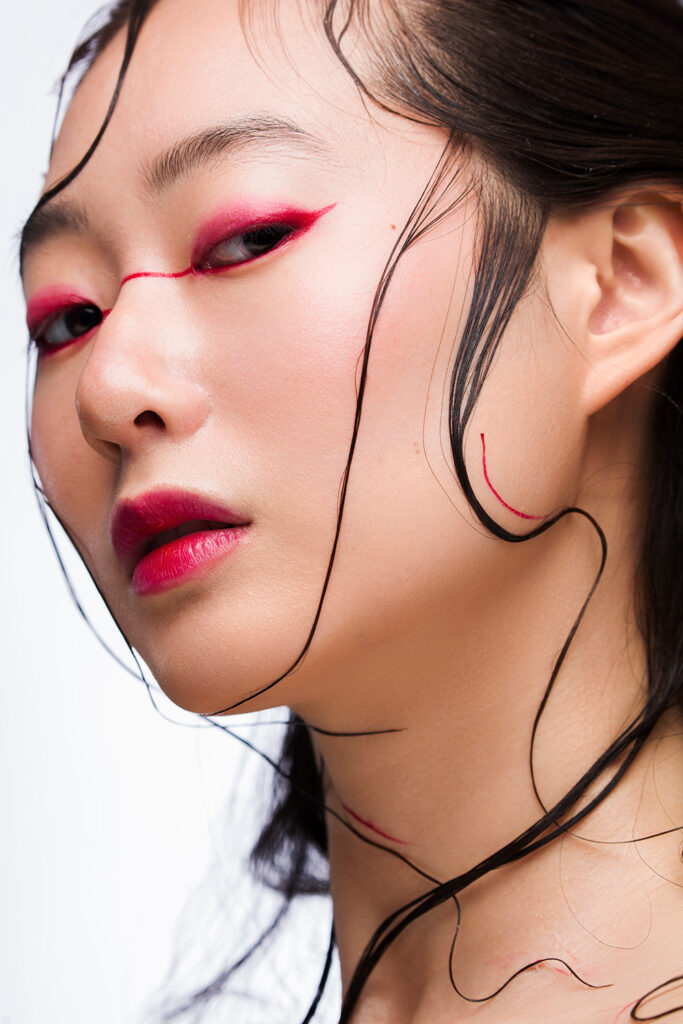
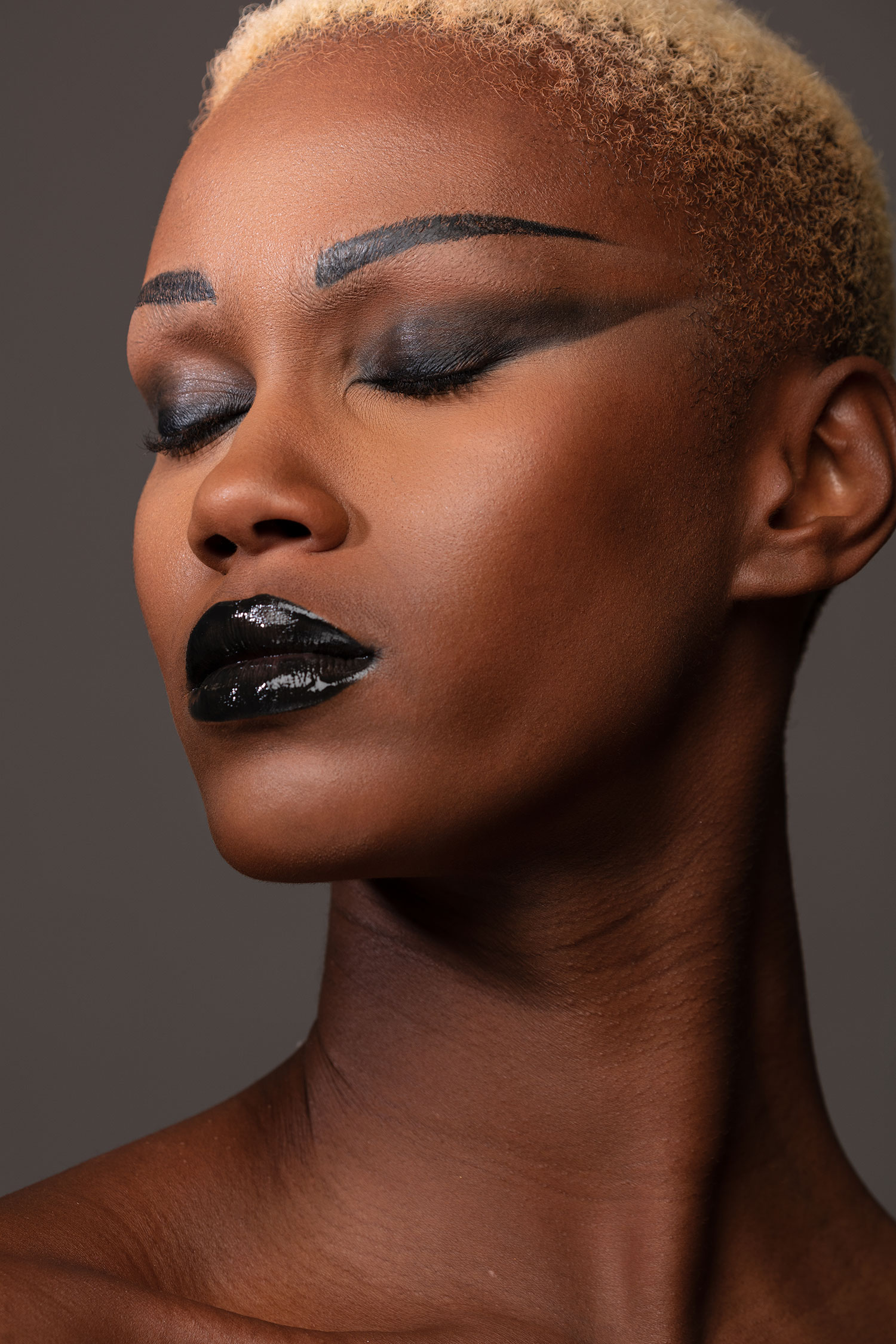
A strong student portfolio should show versatility rather than repeating the same makeup style. Depending on the student’s career goals, useful portfolio images may include:
- Natural beauty and clean makeup
- Bridal and special-event looks
- Glam and evening makeup
- Editorial or creative applications
The goal is to demonstrate technical ability while showing the types of work the student wants to pursue professionally.
Focus on Image Quality
Portfolio photography matters almost as much as the makeup itself. Poor lighting or unclear images can make technically strong work difficult to evaluate.
Students should learn how to document their work clearly and select images that represent their best applications. Over time, stronger professional work can replace early student examples.
Consider Career Support and Industry Preparation
Learning makeup techniques is only one part of becoming a working artist. Students also need to understand how to present themselves professionally, communicate with clients, build relationships, and look for opportunities.
Career support can differ significantly between schools. Some programs may offer guidance on portfolios and professional development, while others may focus almost entirely on classroom instruction.
Ask About Professional Development
Find out whether the school provides guidance on topics such as client communication, consultations, scheduling, professional conduct, and building a makeup business.
Students who want to work independently may also benefit from learning basic business practices. Understanding how to organize bookings, communicate expectations, and manage a professional kit can make the transition into freelance work smoother.
Explore Networking Opportunities
New York’s beauty and creative industries involve collaboration among makeup artists, hairstylists, photographers, models, stylists, and production professionals.
A school that creates opportunities for students to work with other creatives can help them gain practical experience and begin building professional relationships.
Compare Advanced Options and Master Makeup Classes
Some students already have foundational skills and want more comprehensive professional development. Others may be starting with little or no experience.
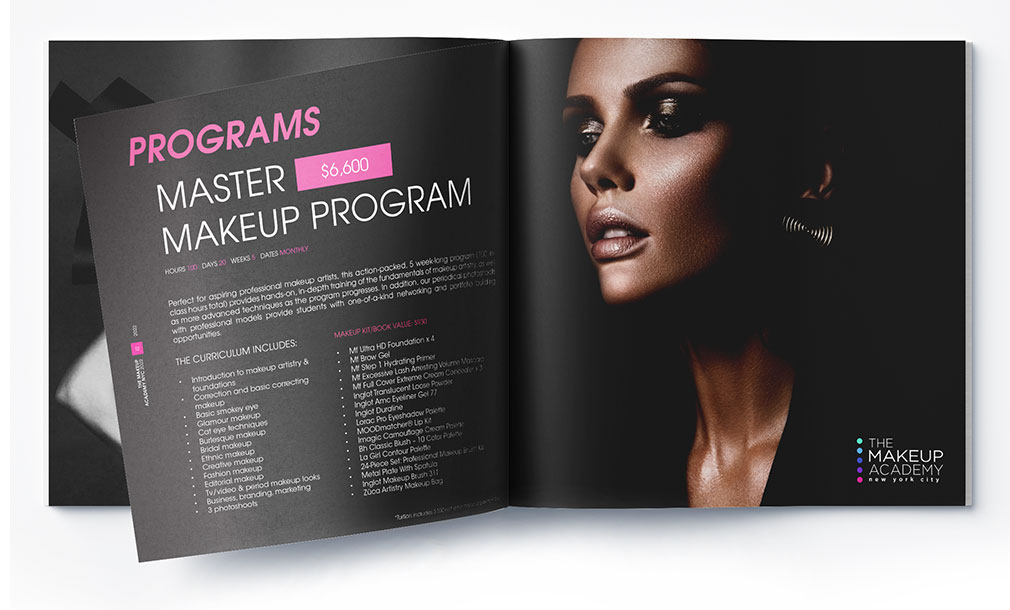
Before enrolling, determine whether the program level matches your current abilities. Students looking for more advanced professional education can compare options such as master makeup classes while keeping their career goals in mind.
Choose a Program That Fits Your Skill Level
Beginners generally need structured instruction covering fundamental techniques before moving into advanced applications. More experienced students may benefit from intensive training that focuses on refinement, speed, versatility, and professional standards.
Choosing the appropriate level can prevent students from feeling overwhelmed or spending time repeating skills they have already mastered.
Think About Long-Term Development
A makeup education should support more than the first few months of learning. Consider whether the school’s training can provide skills that remain useful as you take on more complex clients and assignments.
Students can also continue developing through workshops, practice, assisting opportunities, and specialized education after completing their initial program.
Decide Whether Personal or Professional Makeup Classes Are Right for You
Not everyone searching for makeup classes NYC wants to become a professional makeup artist. Some people simply want to improve their own makeup skills for everyday use, events, or personal confidence.
Understanding this distinction can make the school selection process much easier. Professional programs focus on working with clients and developing career-ready skills, while personal makeup classes are designed around an individual’s own makeup needs.
Personal Learning Goals
Personal instruction may focus on areas such as foundation application, eye makeup, contouring, color selection, and creating looks suited to the student’s own features.
This can be a better fit for someone who does not intend to work professionally but wants targeted instruction.
Professional Career Goals
Students planning to become working makeup artists generally need broader training. They should look for programs that include practical client work, portfolio development, professional hygiene, consultations, and career preparation.
The right choice depends on whether the goal is personal improvement or professional development.
What Questions Should You Ask Before Choosing a Makeup School?
Once you have shortlisted several programs, ask specific questions before making a decision. School websites can provide useful information, but speaking directly with an admissions representative may reveal additional details about the student experience.
Comparing programs side by side can also make differences in curriculum, practical work, class structure, and career support easier to identify.
Questions About the Program
Consider asking:
- What techniques and makeup styles are included in the curriculum?
- How much hands-on practice is included?
- Who teaches the classes and what professional experience do they have?
- Are students able to build a professional portfolio?
- Does the program provide career or industry guidance?
The answers can help you determine whether a program offers the depth and practical experience needed for your goals.
How to Choose the Best Makeup School NYC Students Can Benefit From
The best makeup school NYC option is not necessarily the one with the longest curriculum or the most recognizable name. It is the program that fits your current skill level, career objectives, preferred learning environment, and expectations for practical experience.
Review the curriculum carefully, research instructors, evaluate hands-on training, examine portfolio opportunities, and ask about career preparation. You should also consider whether you want general professional training or a more specialized direction.
Compare Programs Before Making a Final Decision
Create a shortlist and compare each school based on the areas that matter most to you. Pay attention to what is actually included rather than relying on broad claims about professional training.
Consider the Experience Beyond the Classroom
A useful makeup education should help students develop technical ability, professional confidence, and an understanding of how the industry works. Opportunities to practice, create portfolio work, receive feedback, and connect with other professionals can add significant value.
Conclusion
Choosing the right makeup school NYC program requires more than comparing course names or prices. Students should examine the curriculum, instructor experience, hands-on training, portfolio opportunities, and career preparation before making a decision.
A strong program can help students develop technical skills while gaining the confidence and professional understanding needed to work with clients and pursue opportunities in New York’s beauty and creative industries. Whether your goal is freelance beauty work, bridal makeup, editorial artistry, or another specialization, the right education should support that direction.
If you are comparing programs and want to find the right path for your goals, contact us to learn more about available makeup education options.
Frequently Asked Question
How do I choose a makeup school in NYC?
Compare the curriculum, instructors, practical training, class structure, portfolio opportunities, career support, and overall fit with your professional goals.
What should a makeup academy NYC program teach?
A professional program may cover skin preparation, complexion, color theory, eye makeup, contouring, lashes, hygiene, client consultation, practical application, and portfolio development.
Are makeup classes NYC suitable for beginners?
Many makeup classes are designed for beginners, but students should confirm the required experience level before enrolling. A foundational program is generally more suitable for someone starting from scratch.
Is portfolio development important for makeup artists?
Yes. A portfolio provides visual evidence of an artist’s skills and versatility and can be useful when approaching clients, employers, photographers, and creative teams.
Should I choose a general makeup program or a specialized course?
That depends on your career goals. A general program can provide broad foundational skills, while a specialized course may be more appropriate if you already know you want to focus on an area such as special effects makeup.