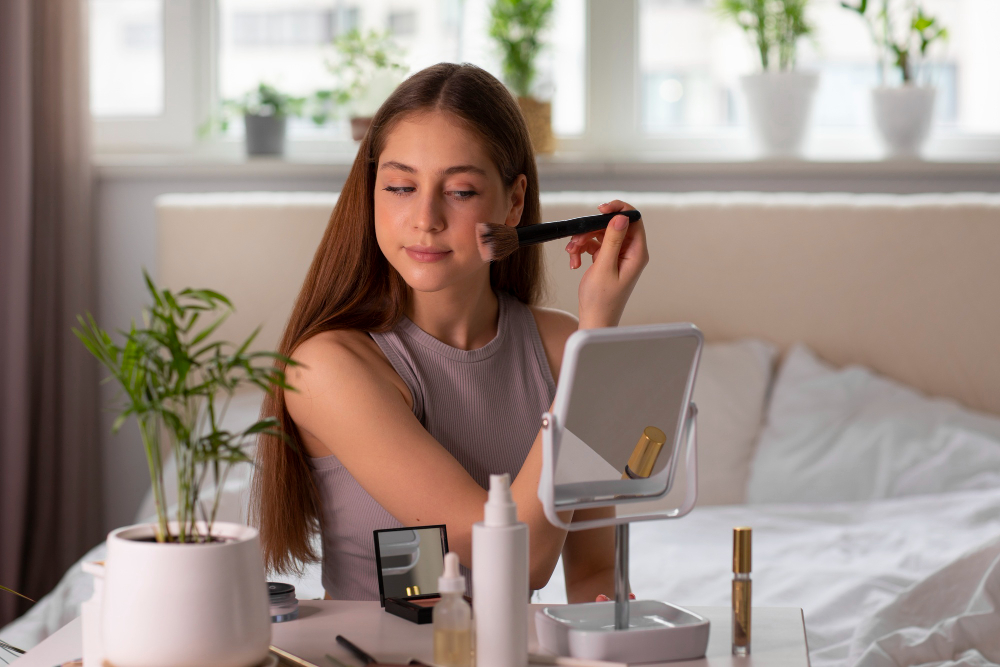
Skincare prep is the foundation of any flawless makeup application. For MUAs, it’s not just an optional step—it’s a professional requirement. Understanding the skin, prepping it correctly, and following strict hygiene standards ensure smoother applications, longer wear, and increased client comfort. At The MUA NYC, every program emphasizes a skin-first approach through hands-on demos and real-time practice, ensuring artists master the fundamentals before diving into glam techniques.
Why Skincare Prep Matters for MUAs
For professional master makeup artists, great skin prep directly affects the final look. Well-prepped skin allows products to blend seamlessly, prevents texture from showing through, and helps makeup last through long events—from weddings to red-carpet shoots. It also protects the client’s skin barrier, reducing irritation, and ensuring a comfortable experience. Incorporating proper hygiene practices during prep ensures both safety and professionalism.
Pro Skincare Prep Routine for MUAs
Before applying any complexion product, MUAs should follow a structured prep routine that works across skin types and makeup styles. This system improves consistency and helps artists adapt their technique for oily, dry, or sensitive skin.
1. Cleanse Correctly
Start with a gentle cleanser to remove oil, sweat, or leftover skincare. Avoid harsh, stripping formulas that can dehydrate the skin and interfere with makeup adhesion. A clean yet balanced surface is essential for all skin types.
2. Assess Skin Type & Texture
Quickly examine the skin for dryness, oiliness, dehydration, sensitivity, or active breakouts. This assessment guides your product selection and application techniques. It also helps tailor the glam look for long-lasting results.
3. Tone & Rebalance
Use an alcohol-free toner to rebalance pH and remove any residual impurities. Toners soften and condition the skin, allowing moisturizers and primers to absorb more effectively.
4. Hydration Layering
Hydrating correctly is key for smooth, even makeup. Choose lightweight moisturizers for oily clients and richer creams for dry or mature skin. Apply thin layers to ensure hydration without heaviness.
5. Target Treatments
Optional serums like hyaluronic acid or niacinamide can enhance skin appearance. Use calming or barrier-repair formulas for sensitive skin. Avoid strong actives that may irritate or cause pilling under makeup.
6. Sun Protection
If the look is for daytime, apply a flashback-free SPF. For night events or studio shoots, SPF may be skipped to avoid unwanted reflection.
Primer & Skincare: Working Together
Primers should enhance the skincare you’ve applied to—not replace it. When paired correctly, primers improve texture, extend wear, and create a flawless base for complexion products.
A. Matching Primer to Skin
Use hydrating primers for dryness, mattifying primers for oil control, and blurring primers for texture. Apply only where needed to avoid buildup.
B. Common Prep Mistakes
Avoid relying on primers to fix poorly prepped skin. Over-layering skincare and primer leads to pilling, patchiness, or separation. Keep layers light and intentional.
- NYC Skin-First Trends
NYC artists are embracing hybrid routines that merge lightweight skincare with breathable makeup. Dewy, skin-first glam is becoming a signature look, especially for brides and editorial clients.
Pro Makeup Hygiene Essentials
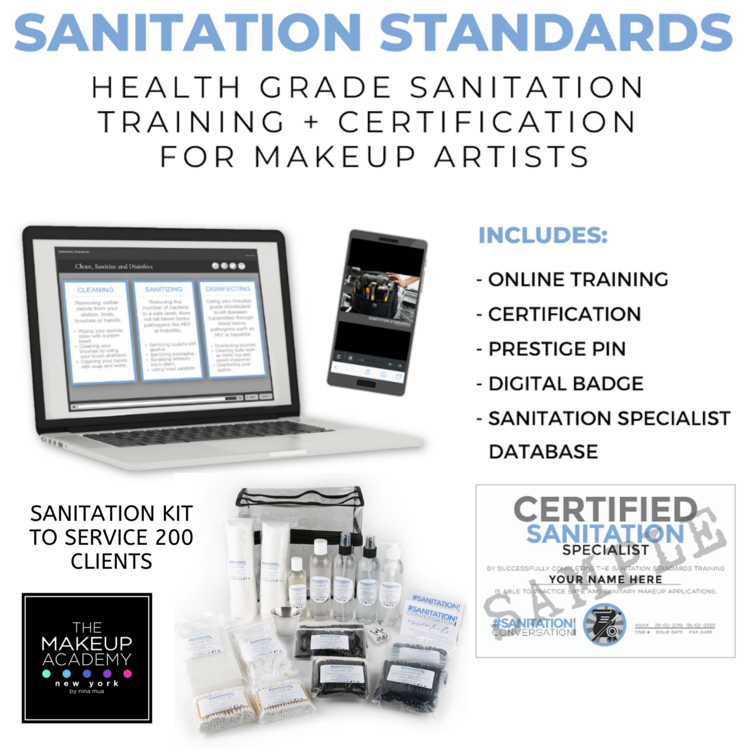
Hygiene is as important as a technique. Clean, sanitary practices protect both the client and the artist and elevate the professionalism of your service.
A. Sanitizing Hands & Tools
Sanitize hands before every step. Clean brushes, spatulas, and tools regularly during appointments, especially when switching between skincare, primer, and makeup.
B. Product Dispensing Hygiene
Never dip your fingers or brushes directly into skincare. Use palettes or disposable tools to prevent contamination and maintain a professional setup.
C. Managing Sensitive Skin Clients
For clients prone to irritation, conduct a quick patch test. Ask about allergies and sensitivities before applying new products to avoid reactions and discomfort.
Skin Barrier Tips for MUAs
A strong skin barrier leads to better makeup results. Avoid harsh exfoliation immediately before application, and opt for soothing, barrier-safe moisturizers. If a client has active irritation, open wounds, or peeling skin, adjust the glam approach—or in some cases, avoid makeup on those areas altogether. These skincare principles are also emphasized in SFX makeup artist courses, helping artists achieve flawless and safe results.
- Use Gentle, Non-Irritating Products – Always choose cleansers, toners, and moisturizers that are free from harsh chemicals, fragrances, and alcohol to protect the skin barrier.
- Incorporate Hydrating Masks When Needed – For dehydrated or stressed skin, a short hydrating mask before makeup can restore moisture and create a smooth canvas.
- Educate Clients on Aftercare – Advise clients to avoid heavy exfoliation or strong actives post-event, helping maintain the skin barrier and prolonging the longevity of the makeup.
In-Class Prep Demos at The MUA NYC
The MUA NYC integrates real-time skincare prep demos across all programs. Students learn proper cleansing techniques, massage methods, layering steps, and hygiene protocols. They practice multiple models to understand how prep varies across skin types. These demos prepare artists for bridal glam, editorial work, personal makeup services, and advanced artistry.
- Layering for Long-Wear Makeup – Students learn how to layer moisturizers, serums, and primers strategically so that makeup stays flawless for hours, a skill essential in bridal makeup programs NYC and editorial shoots.
- Adapting Prep for SFX Makeup – For special effects makeup classes in NYC, the demos include prepping skin for prosthetics, adhesives, and theatrical products, ensuring safety and product longevity.
- Customizing Techniques by Skin Type – Artist’s practice tailoring every step—hydration, primer choice, and primer placement—based on whether the client has dry, oily, sensitive, or combination skin, a skill taught across master makeup artistry programs NYC and personal makeup lessons.
Must-Have Skincare Products for MUA Kits
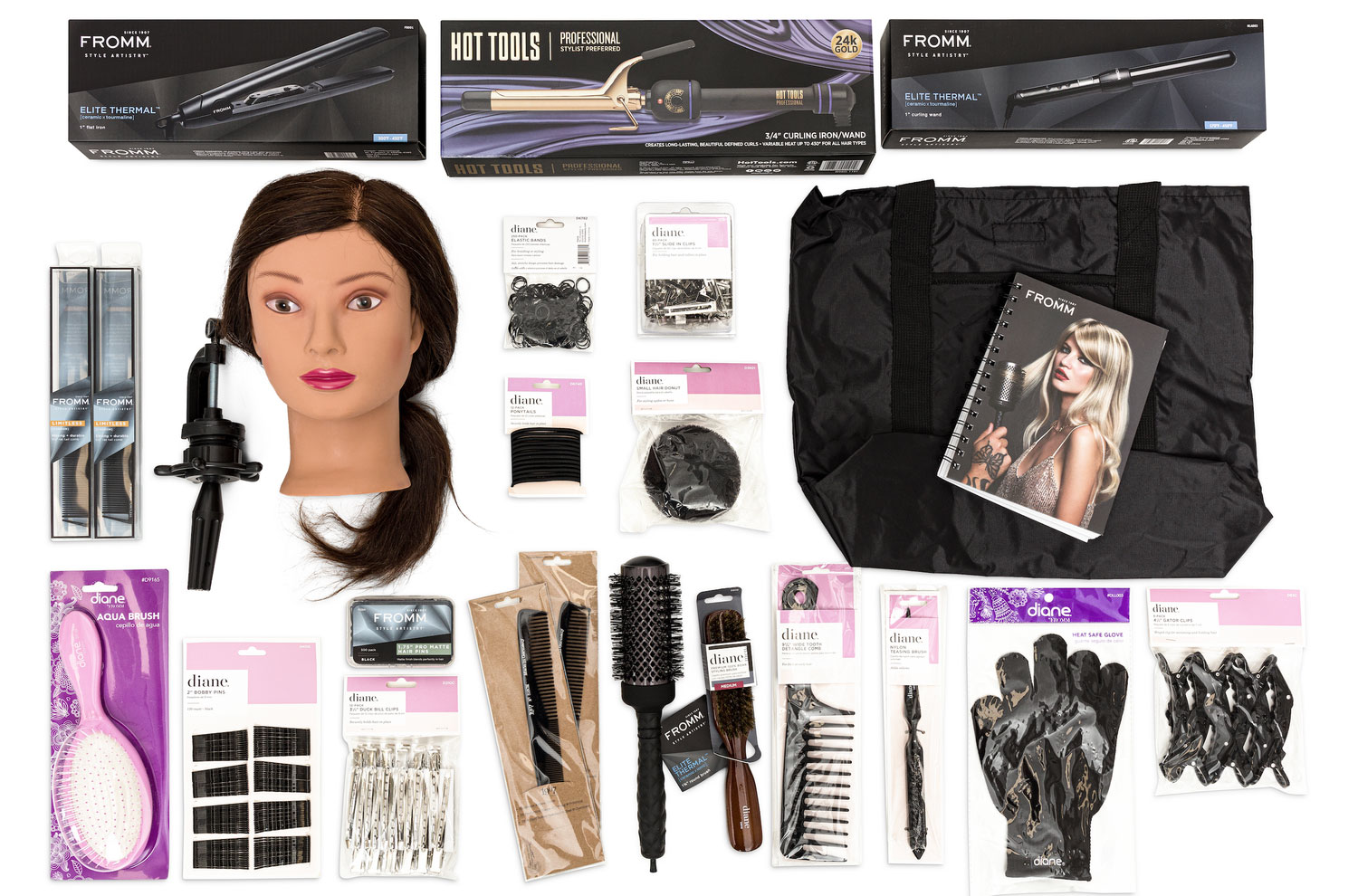
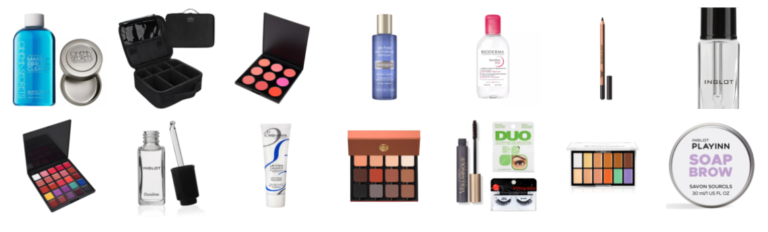
A professional MUA kit should include gentle cleansers, hydrating toners, lightweight moisturizers, rich barrier creams, and primers for all skin types. Disposable applicators, spatulas, cotton pads, and sanitizing tools are essential for maintaining hygiene.
- Soothing Serums & Treatments – Include gentle serums like hyaluronic acid or niacinamide to calm and hydrate skin before makeup, suitable for sensitive or reactive clients.
- Barrier-Repair Creams – Essential for maintaining healthy skin during long sessions, especially for clients with dry, irritated, or compromised skin.
- Disposable Hygiene Essentials – Spatulas, cotton pads, tissues, and sanitized applicators to prevent cross-contamination and maintain professional hygiene standards.
Conclusion
Skincare prep is the first and most essential step of every glam application. When MUAs understand how to prep properly—cleanse, hydrate, prime, and maintain hygiene—they deliver smoother, longer-lasting, and more comfortable results. Mastering skin prep elevates artistry and professionalism, making it a core skill for beauty, bridal, editorial, and SFX makeup careers.
FAQs:
Skincare prep ensures makeup applies smoothly, lasts longer, and looks flawless. It protects the client’s skin barrier and reduces irritation, which is why every makeup training New York program emphasizes skin-first techniques. Proper prep is essential for bridal, editorial, and SFX makeup applications.
A professional routine includes cleansing, assessing skin type, toning, hydrating, applying target treatments if needed, and sun protection. This sequence is taught in master makeup artistry programs NYC, personal makeup classes, and bridal makeup lessons.
Primers should complement the client’s skin type: hydrating primers for dry skin, mattifying primers for oily zones, and blurring primers for textured areas. Artists in makeup classes NYC and private makeup lessons NYC learn to match primers strategically.
Sanitize hands and tools frequently, use disposable applicators or palettes for skincare, and perform patch tests for sensitive clients. Hygiene is a key focus in special effects makeup classes NYC and bridal makeup programs NYC.
Essential products include gentle cleansers, alcohol-free toners, lightweight moisturizers, barrier-repair creams, primers for different skin types, and disposable hygiene tools. These items are standard in kits for students of master makeup academy, personal makeup program NYC, and hairstyling classes in NYC.