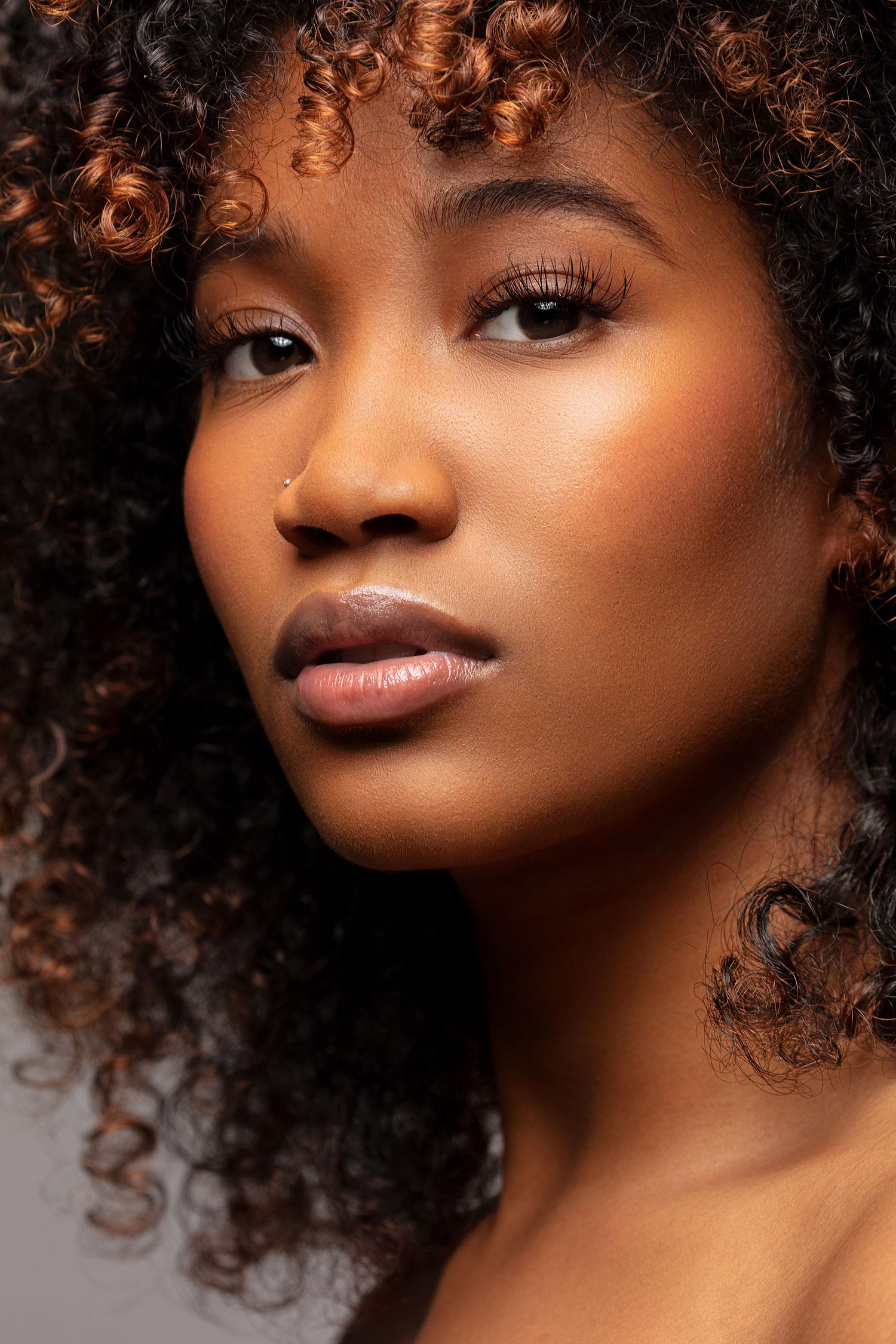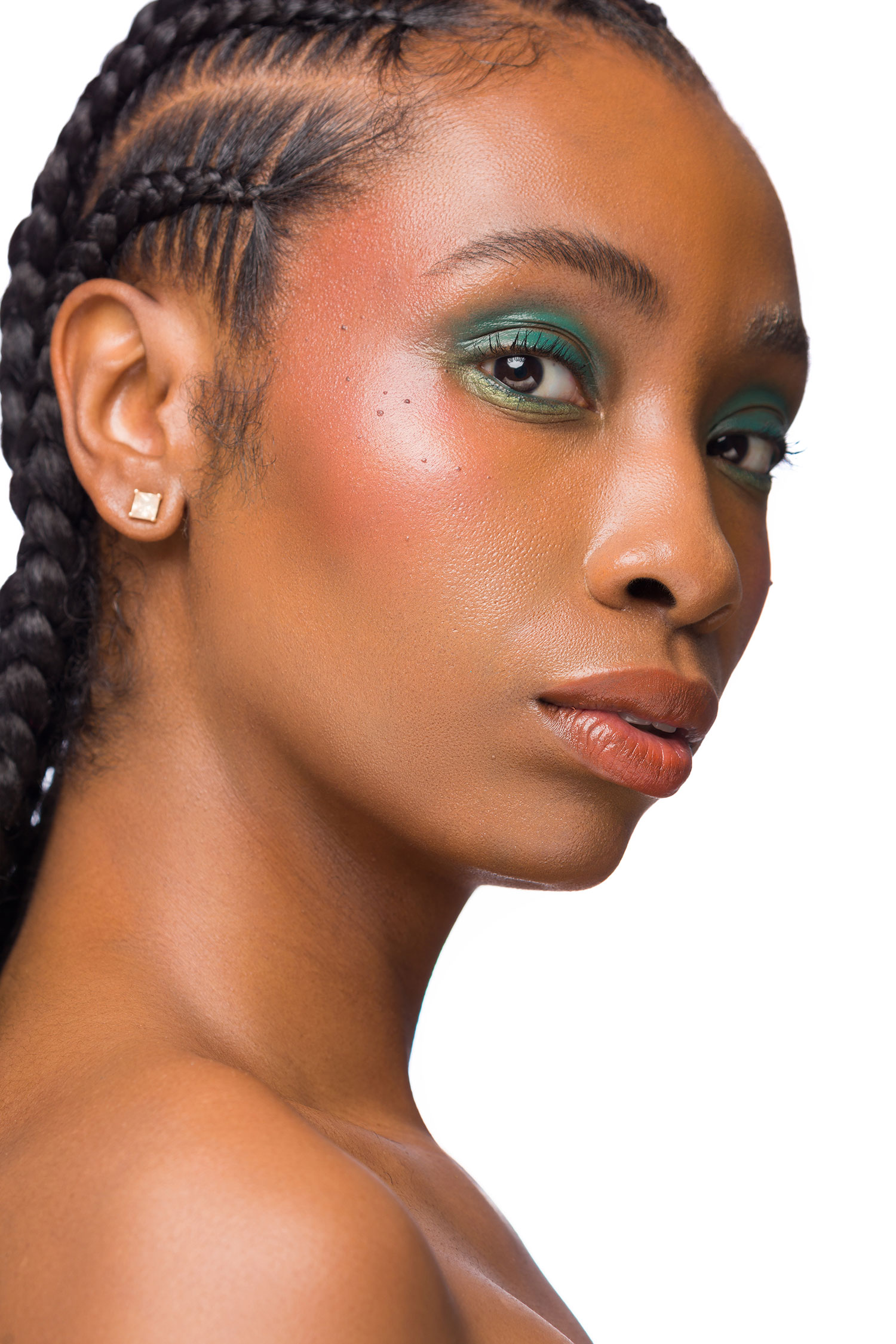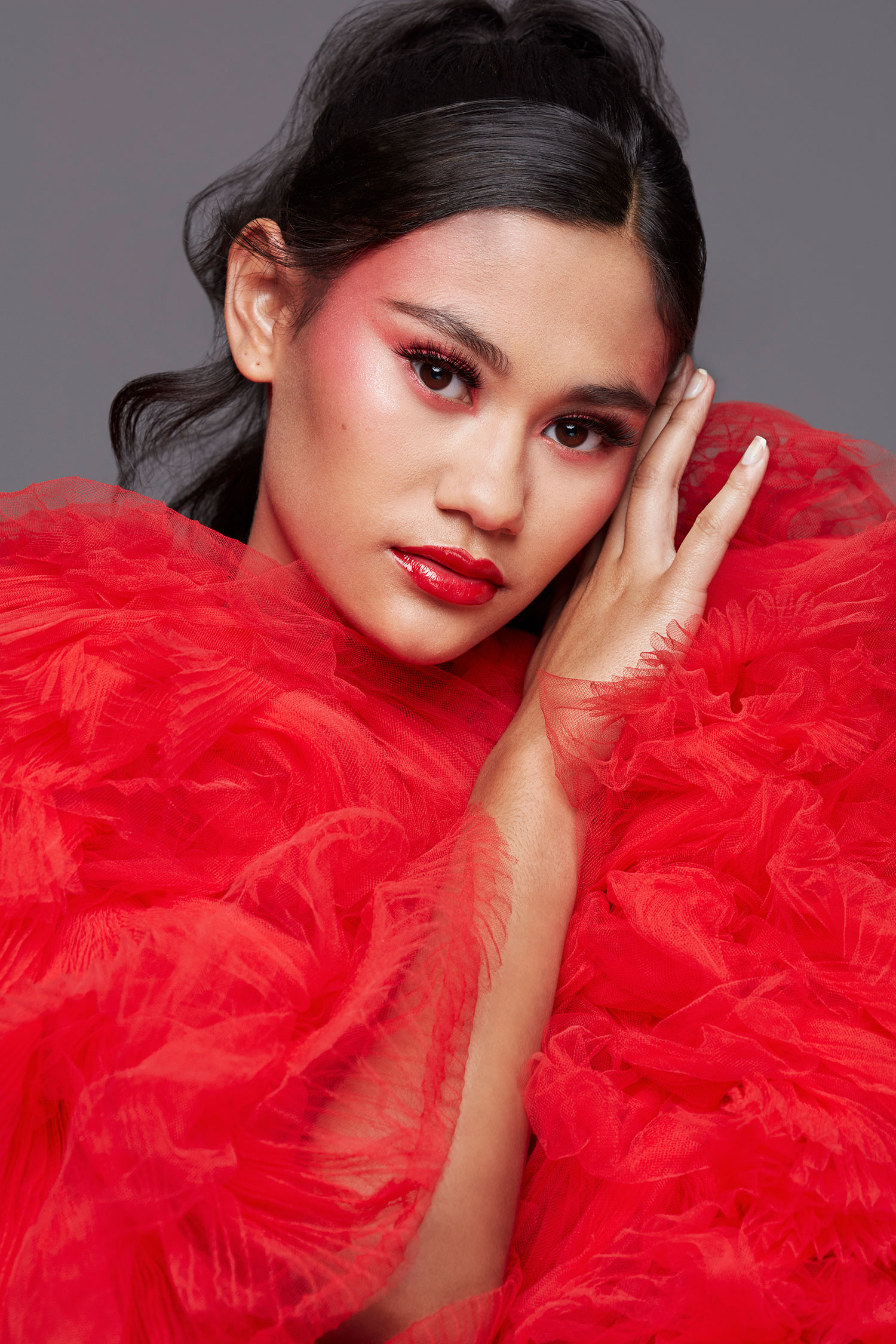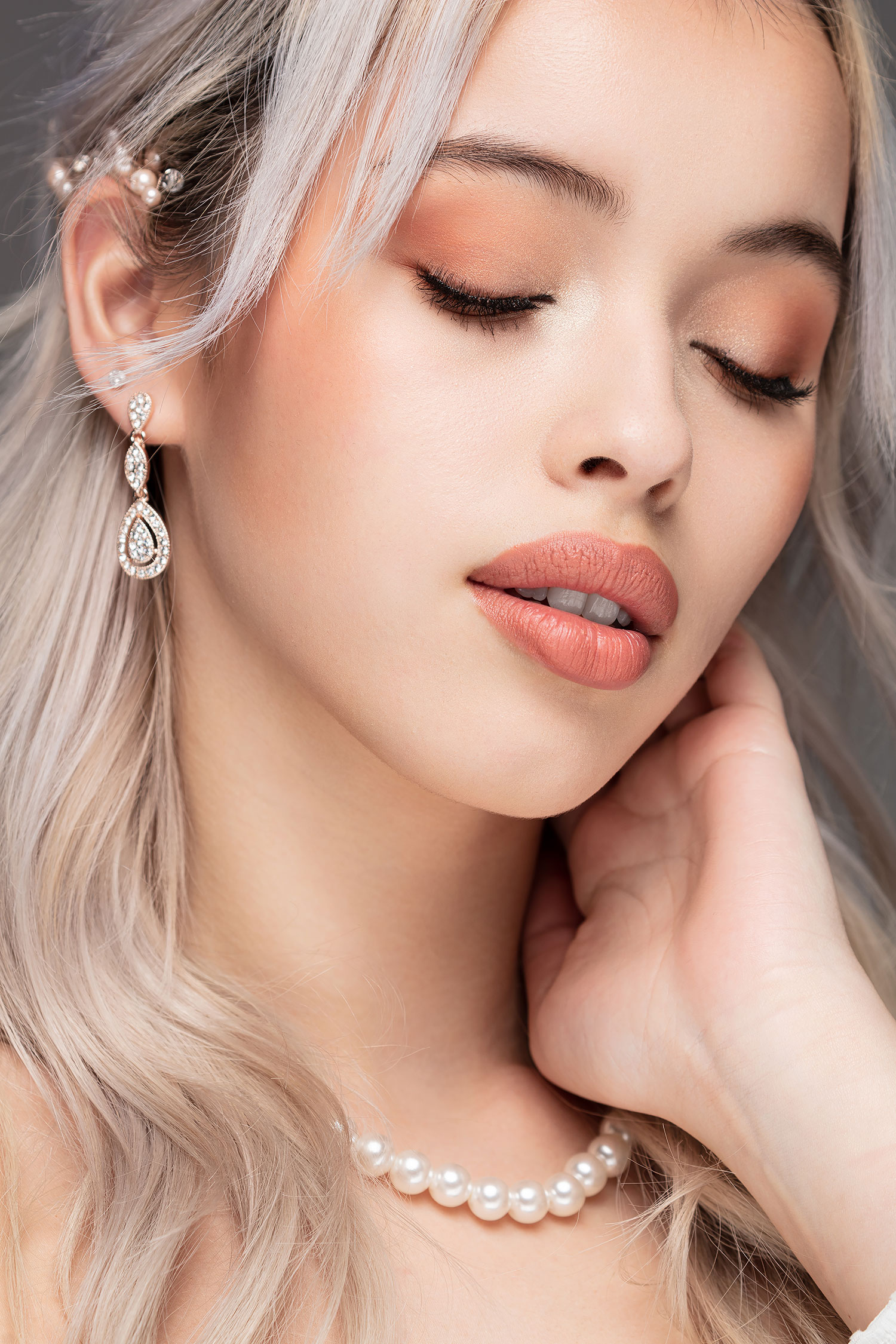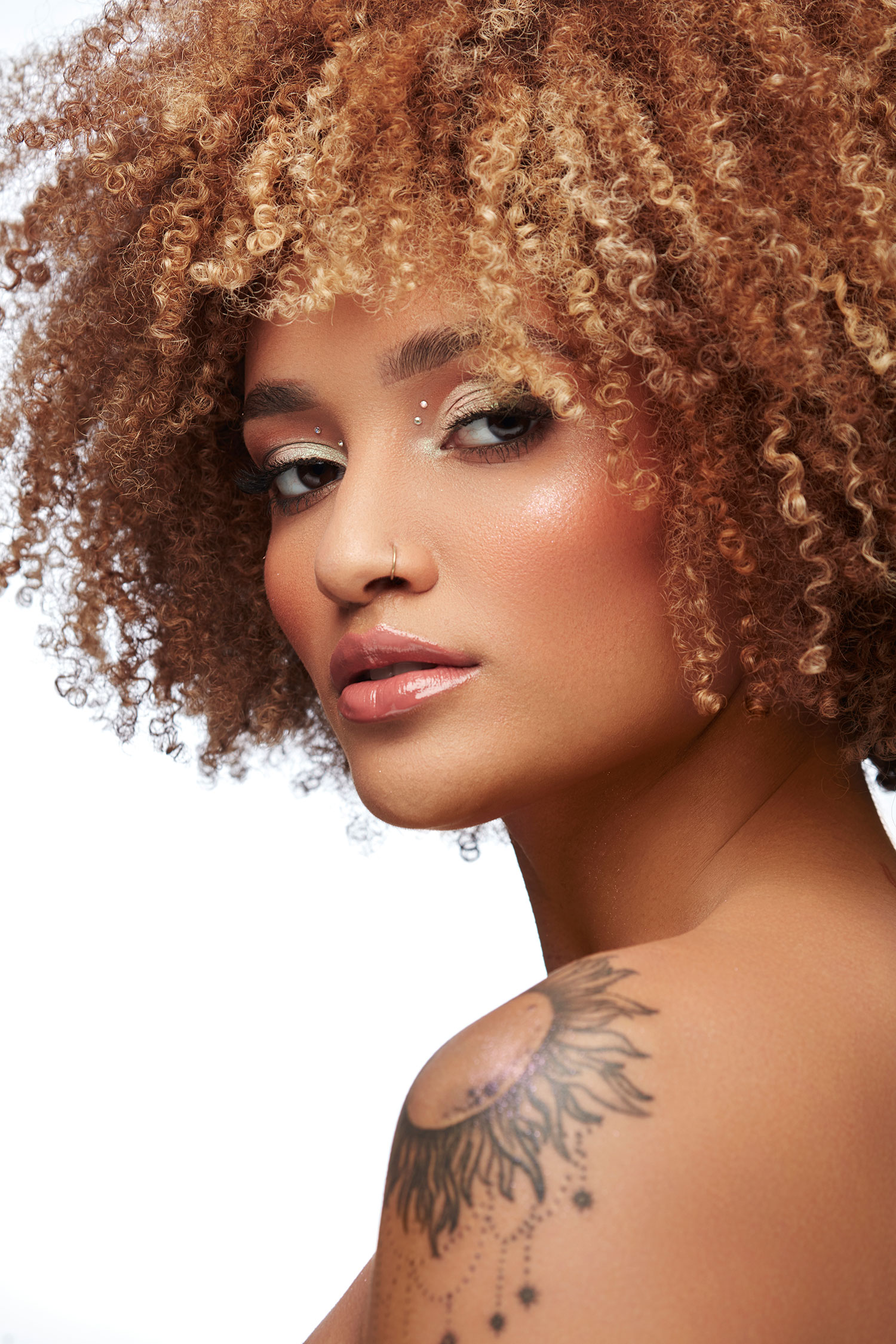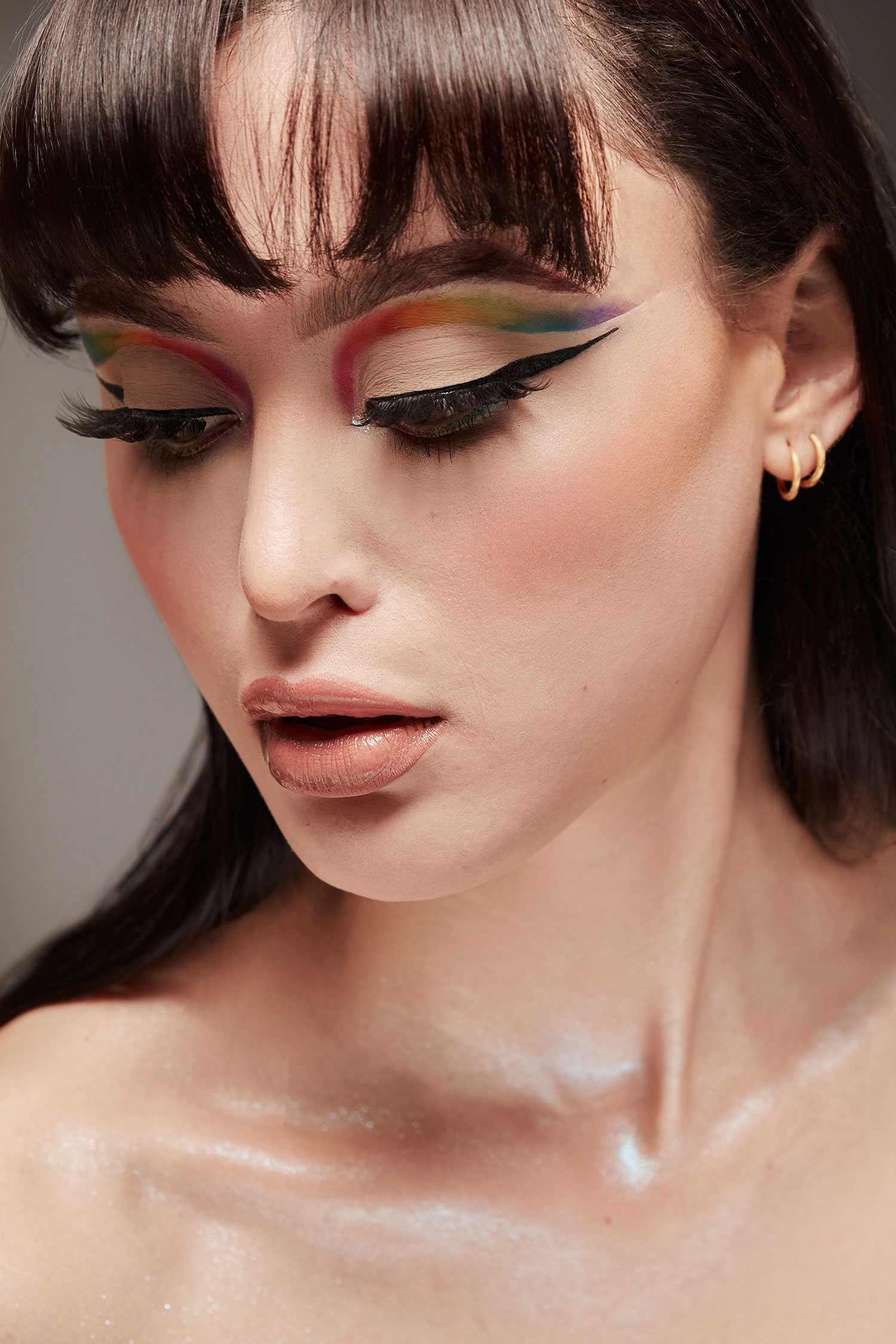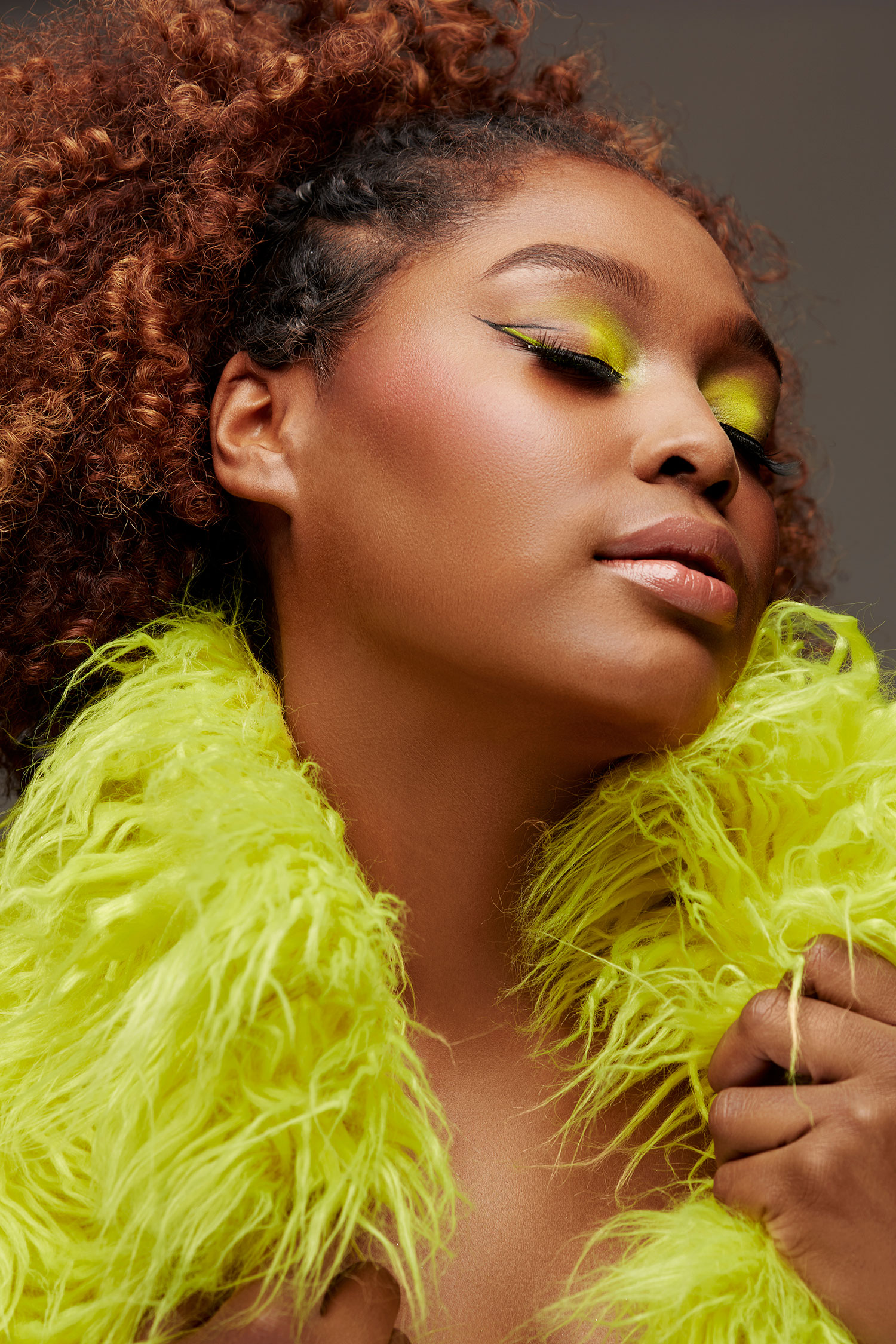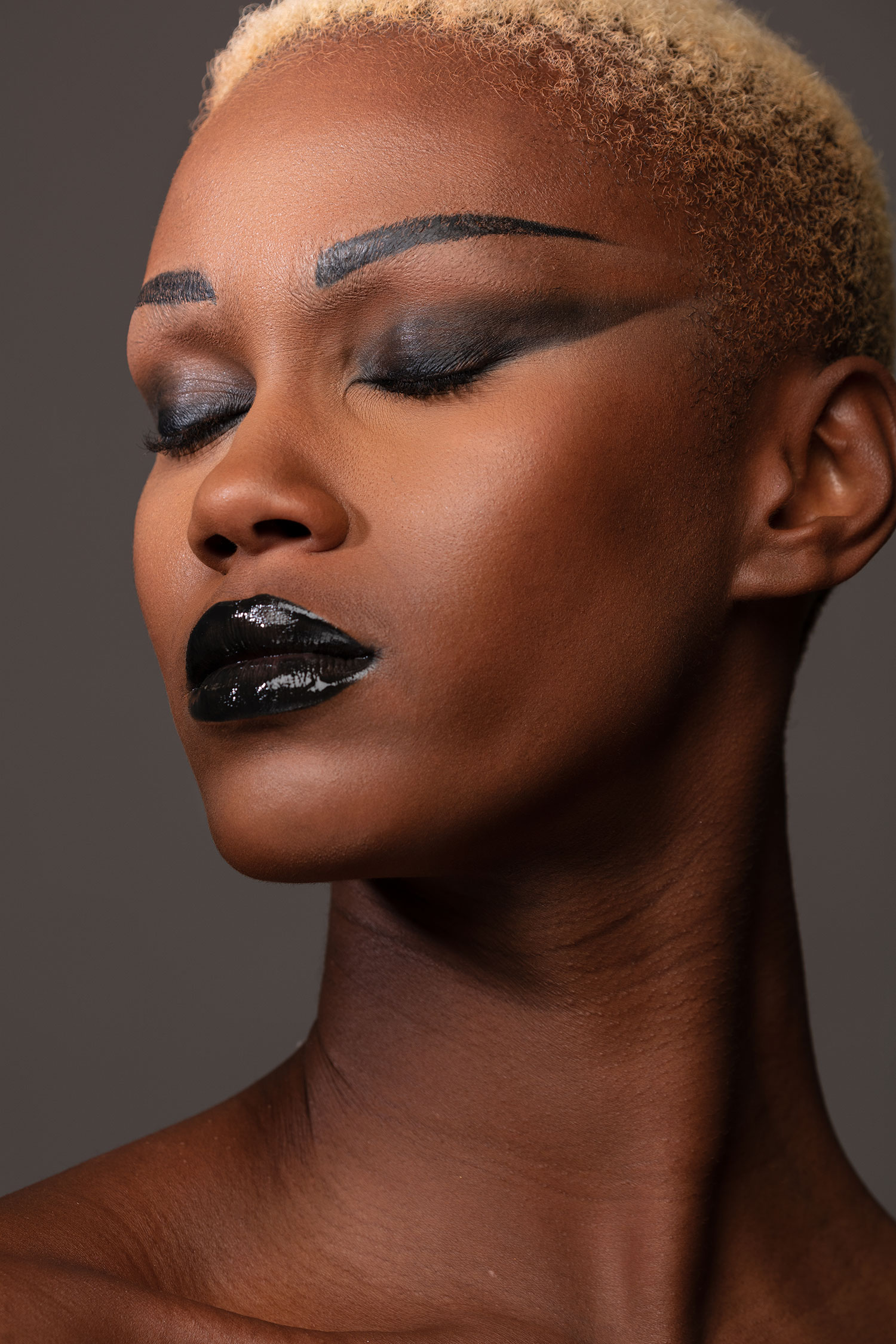
A professional makeup artist course is designed for students who want to move beyond basic makeup application and develop the technical, creative, and client-facing skills needed for professional work. Instead of learning isolated makeup techniques, students work through a structured curriculum that can prepare them for different types of assignments, clients, and beauty environments.
Training can cover complexion preparation, color theory, corrective techniques, eye makeup, bridal looks, editorial styles, hygiene, product selection, and professional application methods. Depending on the program, students may also spend significant time practicing on different face shapes, skin types, and features.
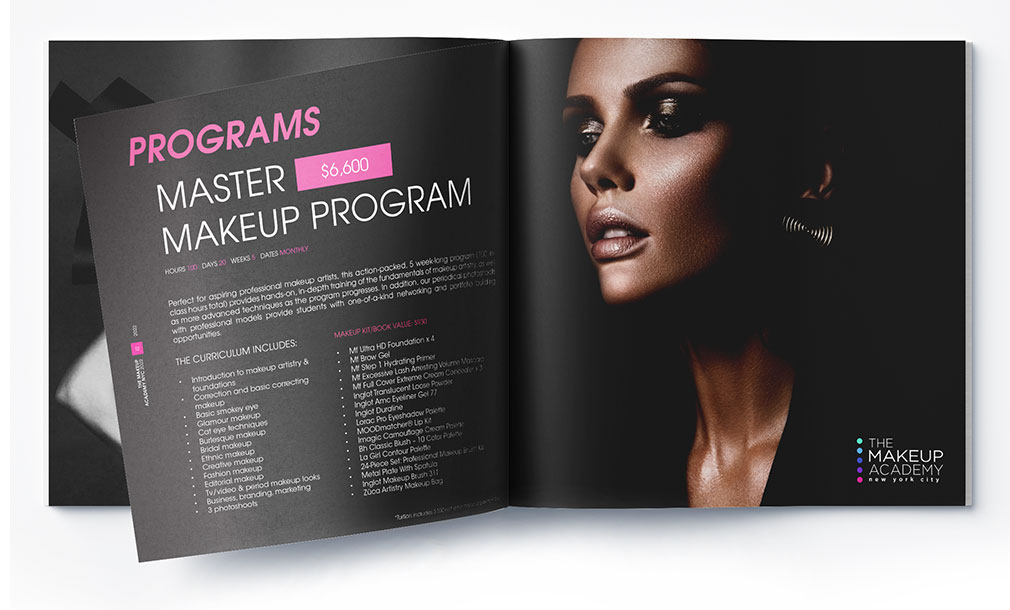
For students considering a long-term career, a structured program such as the master makeup artistry program nyc can provide a broader understanding of professional makeup artistry while allowing learners to develop skills through guided practice.
What Do You Learn in a Professional Makeup Artist Course?
A quality professional makeup class should combine technical instruction with repeated hands-on practice. Students need more than the ability to recreate a single look; they need to understand why particular products, tools, colors, and techniques work for different clients.
A typical curriculum introduces foundational concepts before progressing into more specialized applications. This approach helps students develop consistency and confidence rather than relying entirely on memorized steps.
Makeup Fundamentals and Skin Preparation
Skin preparation is one of the first areas students usually encounter. A makeup artist needs to understand how the condition and characteristics of the skin affect product selection and application.
Students may learn how to identify different skin types, prepare the skin before makeup, choose appropriate primers, and create a suitable base. They can also learn how to work with concerns such as dryness, excess oil, uneven texture, and discoloration.
These skills form the foundation for creating makeup that looks polished while remaining appropriate for the individual client.
Complexion, Color Theory, and Foundation Matching
Complexion work is central to professional makeup artistry. Students learn how to select and blend foundation, concealer, powder, and other complexion products according to a client’s skin tone and desired finish.
Color theory also plays an important role. Understanding undertones and color relationships helps artists make better decisions when correcting discoloration, selecting blush and lip colors, or balancing an overall makeup look.
Practical training can help students become more comfortable matching shades under different lighting conditions and adapting techniques to individual clients.
Eye Makeup and Detail Work
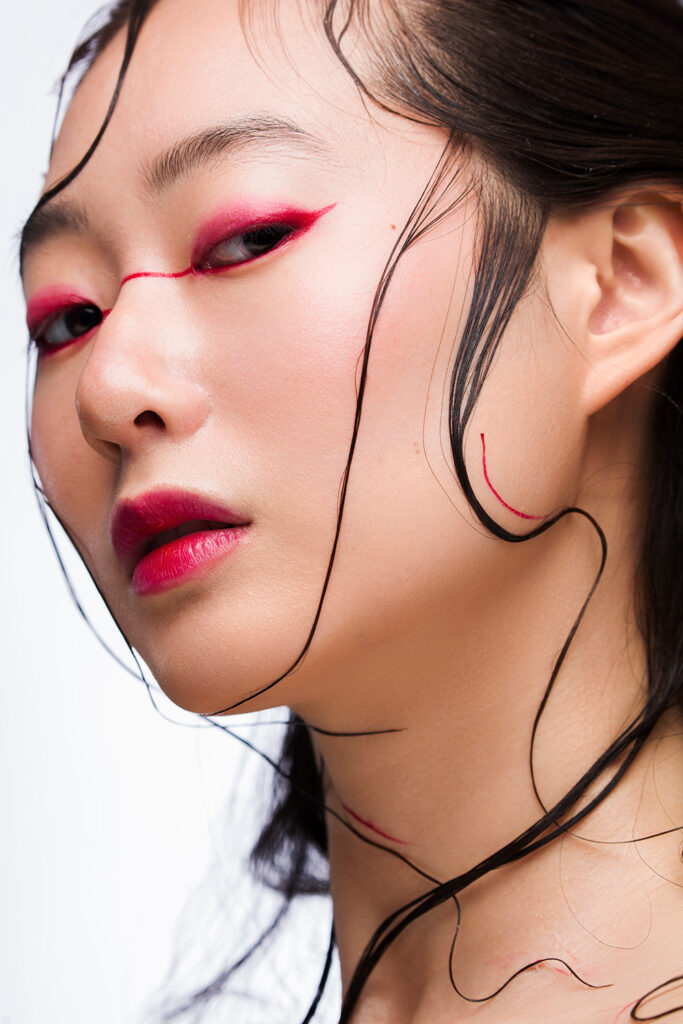
Eye makeup often requires precision, patience, and an understanding of facial structure. A makeup artists course may teach students how to create natural, soft glam, dramatic, and event-ready eye looks.
Students can practice blending, liner placement, eyeshadow transitions, lash application, and techniques for enhancing different eye shapes. These skills become especially useful when working with clients who have specific preferences or require makeup that photographs well.
Advanced Makeup Techniques
Once students understand the fundamentals, training can progress into more advanced techniques. This can include contouring, highlighting, color correction, long-wear makeup, false lashes, and specialized applications.
Students may also learn how to adjust their techniques based on the occasion. Makeup for a daytime event may require a different approach from bridal, photography, editorial, or evening makeup.
How Practical Training Builds Professional Confidence
Reading about makeup techniques is useful, but professional development depends heavily on practice. A strong makeup artistry class gives students opportunities to apply techniques repeatedly and receive feedback from instructors.
Hands-on work also introduces situations that cannot always be learned from demonstrations. Students have to work with different facial features, product textures, skin conditions, time limits, and client preferences.
Working on Different Faces and Skin Types
Professional makeup artists rarely work with identical faces. Training can expose students to different complexions, face shapes, eye shapes, ages, and skin characteristics.
This variety encourages students to adapt rather than follow one fixed application method. With repeated practice, they can learn how to assess a face before deciding where to place foundation, blush, contour, highlight, and eye makeup.
Understanding Professional Hygiene
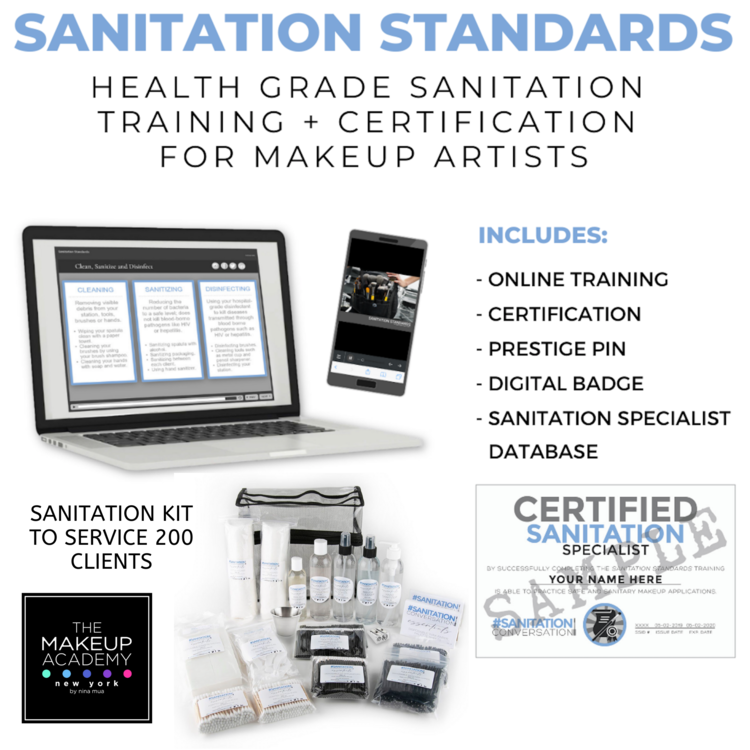
Hygiene is another essential part of practical training. Professional artists work with products and tools that come into contact with clients, so maintaining clean equipment and safe working practices is essential.
Students can learn proper brush cleaning, product handling, disposable applicator use, workstation organization, and other sanitation practices. These habits can become part of their professional routine before they begin working with paying clients.
Students researching a makeup artist school can also compare how different programs incorporate practical training, technique development, and professional preparation into their education.
Building a Makeup Portfolio During Training
A portfolio gives potential clients, employers, and collaborators a visual representation of an artist’s capabilities. For students, creating one during training can make the transition from education to professional work easier.
A portfolio should show more than a collection of similar makeup looks. It should demonstrate versatility, technical control, and the ability to create polished results for different situations.
Selecting Looks for a Professional Portfolio
Students can document different categories of work as they progress through their training. Useful portfolio material may include:
- Natural and beauty-focused makeup
- Bridal and special-event looks
- Glamorous and evening makeup
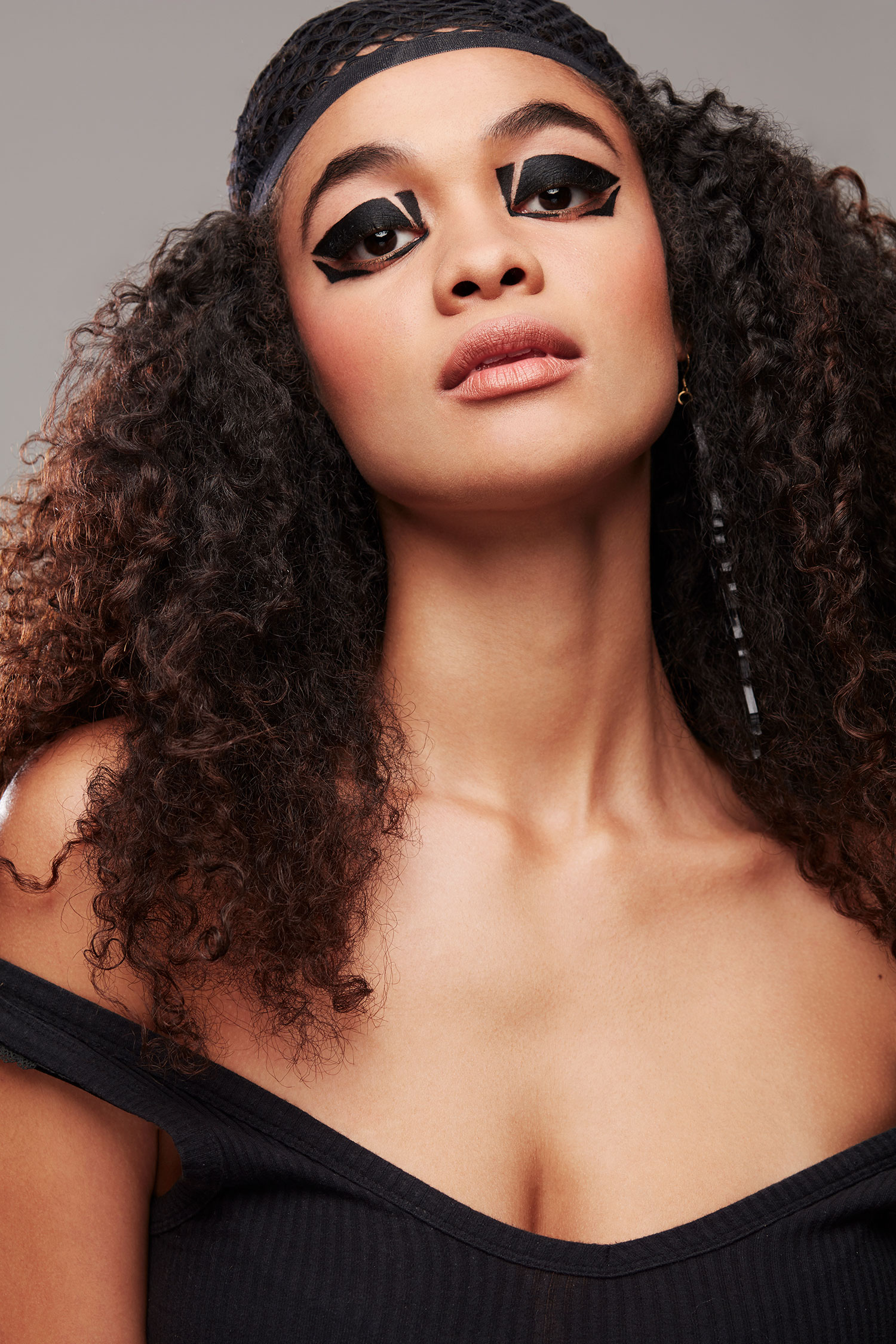
- Editorial or creative makeup
- Before-and-after transformations
The strongest images should be clear, well-lit, and focused on the makeup. Students should also consider whether each image represents the type of work they want to attract after completing their course.
Developing a Consistent Visual Style
A portfolio can demonstrate versatility while still showing an artist’s individual style. Students may discover that they particularly enjoy bridal makeup, beauty, editorial work, or other areas during their training.
Developing a recognizable approach can help future clients understand what an artist offers. At the same time, flexibility remains important because professional clients often have specific requests.
Preparing for Real Client Work
Professional training is not limited to makeup techniques. Students also need to understand how to work with people. Client communication, consultation, time management, professionalism, and adaptability can influence the quality of the overall service.
A student who can create beautiful makeup but struggles to understand a client’s expectations may find it difficult to build repeat business. Professional education can help students develop both sides of the role.
Client Consultation Skills
A consultation allows the artist to understand what the client wants before beginning the application. Students can learn how to ask useful questions about the occasion, preferred makeup style, outfit, photography, timing, and previous makeup experiences.
Consultations can also help artists set realistic expectations. Clear communication reduces misunderstandings and gives the client greater confidence in the service.
Working Efficiently Under Time Constraints
Professional assignments often have deadlines. Bridal parties, photo shoots, events, and other bookings may require an artist to complete several looks within a set period.
Practice helps students improve speed without sacrificing quality. They can learn how to organize products, prepare tools, plan the application sequence, and prioritize essential steps when time is limited.
For learners who want to explore makeup education at a more individualized level, a personal makeup course nyc can also be relevant when comparing personalized instruction with broader professional training.
Career Paths After Completing Makeup Training
Completing a professional makeup course can open several potential career directions. The best option depends on an artist’s interests, technical strengths, portfolio, and willingness to continue developing specialized skills.
Some artists prefer working directly with individual clients, while others pursue opportunities in beauty, fashion, media, events, or commercial environments.
Freelance Makeup Artist
Freelancing gives makeup artists the opportunity to work with different clients and build an independent business. Artists may offer services for weddings, parties, photoshoots, special occasions, or other events.
Freelance work also requires business skills. Artists need to manage bookings, schedules, pricing, client communication, product costs, and marketing alongside makeup services.
Bridal and Event Makeup
Bridal makeup is another popular career direction. Artists working in this area need strong application skills, attention to detail, and the ability to create long-lasting looks that work in person and in photographs.
Event makeup can similarly involve adapting looks to the client’s outfit, venue, lighting, and personal preferences.
Editorial, Fashion, and Photography
Students interested in creative work may explore editorial, fashion, and photography opportunities. These assignments can require more experimental techniques and close collaboration with photographers, stylists, models, and creative teams.
An artist’s portfolio is particularly important in these fields because visual examples can demonstrate whether their style fits a particular project.
Beauty and Makeup Industry Roles
Training can also support opportunities within the broader beauty industry. Depending on experience and additional qualifications, artists may explore roles involving makeup application, demonstrations, education, beauty retail, content creation, or assisting established professionals.
Choosing the Right Professional Makeup Class
Not every makeup course offers the same depth of training. Students should look beyond the course title and examine what is actually included in the curriculum.
The right program should match the student’s current skill level, career goals, preferred learning style, and expectations for practical experience.
What Should Students Look For?
Before enrolling, students can evaluate factors such as:
- Curriculum depth and range of techniques
- Amount of hands-on practice
- Instructor experience and feedback
- Portfolio-building opportunities
- Career and professional preparation
Students should also consider whether the course focuses primarily on personal makeup skills or prepares learners to work professionally with clients. These are different educational goals and should not be treated as interchangeable.
A personal makeup course nyc may be more appropriate for someone who wants to improve their own makeup skills, while a professional course is generally aimed at developing the technical and professional abilities required to serve clients.
How Training Can Support Long-Term Career Development
A makeup course provides a foundation, but professional growth continues after graduation. Makeup trends, products, techniques, and client expectations change, so artists benefit from continuing to practice and expand their knowledge.
Building relationships can also matter. Students may connect with photographers, hairstylists, models, event professionals, and other artists through projects and practical assignments.
Continuing to Build Skills and Experience
After completing formal training, artists can continue developing through additional workshops, assisting opportunities, independent practice, and real client work.
Keeping a portfolio updated is equally useful. As artists gain experience, they can replace early student work with stronger professional images that better represent their current abilities.
For students comparing professional education options, another personal makeup course nyc can serve a different purpose from career-focused makeup training, particularly for learners seeking one-to-one instruction for their own makeup goals.
Is a Professional Makeup Artist Course Worth It?
For someone serious about pursuing makeup artistry as a profession, structured training can provide a more organized path than learning techniques randomly through online videos. Students can build fundamentals, practice under guidance, receive feedback, and develop a portfolio while learning how professional client work operates.
The value of a course ultimately depends on its curriculum, practical experience, instruction, and how well it aligns with the student’s career goals. Someone seeking professional work should look for education that covers both makeup application and the practical realities of working as an artist.
Conclusion
A professional makeup artist course can give aspiring artists a structured foundation for turning their interest in makeup into professional skills. From skin preparation and complexion work to client consultations, practical application, portfolio development, and career preparation, the right training covers much more than simply learning how to create attractive makeup looks.
Students should choose training based on the type of work they want to pursue and the practical experience they need to reach that goal. A strong combination of education, hands-on practice, portfolio development, and real-world experience can help create a solid starting point for a career in makeup artistry.
If you are exploring professional makeup training and want to understand which educational path fits your goals, contact us to learn more about available training options and the skills you can develop.
Frequently Asked Questions
What is taught in a professional makeup artist course?
A professional makeup artist course can cover skin preparation, complexion, color theory, foundation matching, eye makeup, contouring, highlighting, lashes, hygiene, client consultation, practical application, and portfolio development.
How long does it take to learn professional makeup artistry?
The timeframe varies depending on the course structure, student’s starting skill level, practice schedule, and career goals. Consistent hands-on practice is important for developing speed, precision, and confidence.
Can I become a makeup artist after completing a course?
A course can provide foundational professional training, but becoming established as a makeup artist also requires practice, portfolio development, networking, client experience, and continued skill development.
Is a professional makeup class different from a personal makeup course?
Yes. A professional makeup class is generally designed to develop skills for working on clients, while a personal makeup course typically focuses on helping an individual improve their own makeup application.
What should be included in a makeup artistry course?
Students should look for a curriculum that combines makeup fundamentals, advanced techniques, hands-on practice, hygiene, client communication, portfolio development, and professional or career preparation.